If you're a service business owner, you've probably wondered: what's the true traffic cost to get a steady stream of leads? The answer isn't a single number — it's a spectrum. But here's the good news: organic traffic, when done right, can slash your cost per lead by 70% or more compared to paid ads. In my experience working with dozens of law firms, home service companies, and B2B agencies, most founders overpay for leads because they never calculate their real traffic cost. They see a $50 cost-per-click and think that's the price. It's not. The real cost includes the hours of content creation, tool subscriptions, and the opportunity cost of slow growth. This guide breaks down exactly what you need to invest to build an organic traffic machine that fills your pipeline while you sleep.
What Drives Your Traffic Cost?
Before you can grow organic traffic cost-effectively, you need to understand its components. Organic traffic cost isn't a price tag — it's a blend of fixed and variable investments.
📚Definition
Organic traffic cost refers to the total investment — time, tools, content creation, and labor — required to generate visitors through search engines without paying per click. Unlike PPC, it's a fixed vs. variable cost debate.
Here's the breakdown:
- Content Creation: Writing articles, recording videos, designing infographics. According to a study by Ahrefs, the average cost to rank for a competitive keyword can range from $5,000 to $20,000 in content and link building efforts. For service businesses, a single pillar page can cost $500–$2,500 if outsourced.
- Technical SEO: Site speed, schema markup, indexing. Tools like Screaming Frog, Ahrefs, and SEMrush cost $100–$400/month. Plus developer time for fixes.
- Link Building: Guest posts, digital PR, directories. This is the most variable — $500–$5,000 per high-quality link.
- Team & Overhead: In-house SEO manager ($60k–$100k/year) or agency retainers ($2k–$10k/month).
But here's the catch: once you've built a solid foundation, the marginal cost per additional visitor drops to nearly zero. That's the magic of compounding organic traffic. A paid click costs you every single time. An organic visitor costs you nothing beyond the initial investment.
Why Traffic Cost Matters More Than You Think
Many service businesses ignore organic traffic because they see it as slow and expensive. But the data tells a different story. A McKinsey report found that companies investing in organic search see 2.5x higher customer lifetime value than those relying primarily on paid channels. Gartner's 2024 digital marketing survey indicates that organic search accounts for 40% of all B2B inbound leads — and that share is growing.
The mistake I made early on — and that I see constantly — is treating SEO as a one-time project. Businesses launch a website, write 10 blog posts, and then expect leads to pour in. When they don't, they declare SEO dead. In reality, they barely scratched the surface. The real traffic cost isn't high — it's the cost of not committing to a sustained strategy that compounds.
💡Key Takeaway
The most efficient way to reduce your traffic cost is to invest in a scalable SEO infrastructure that compounds over time, rather than renting traffic via ads. A single well-optimized pillar page can generate leads for years.
Consider this: a law firm spending $10,000/month on Google Ads gets, say, 100 clicks at $100 CPC. If they convert 5% that's 5 clients at $2,000 CAC. With organic, that same $10,000 invested in building 50 high-intent pages can generate 500 organic visitors per month within six months — at zero per-click cost. If those visitors convert at 3%, that's 15 leads per month, dropping CAC to $667.
How to Build Your Organic Traffic Machine (Practical Steps)
Now let's get tactical. Here's how I help clients reduce their traffic cost and scale organic growth.
Step 1: Audit Current Traffic Cost
Calculate your current cost per lead from each channel. Use this formula:
Traffic Cost per Lead = (All Marketing Spend + Time Value) / Number of Leads Generated
Include salaries, tools, agency fees. You'll likely find that paid traffic costs 3–10x more than organic in the long run.
Step 2: Build a Topical Authority Hub
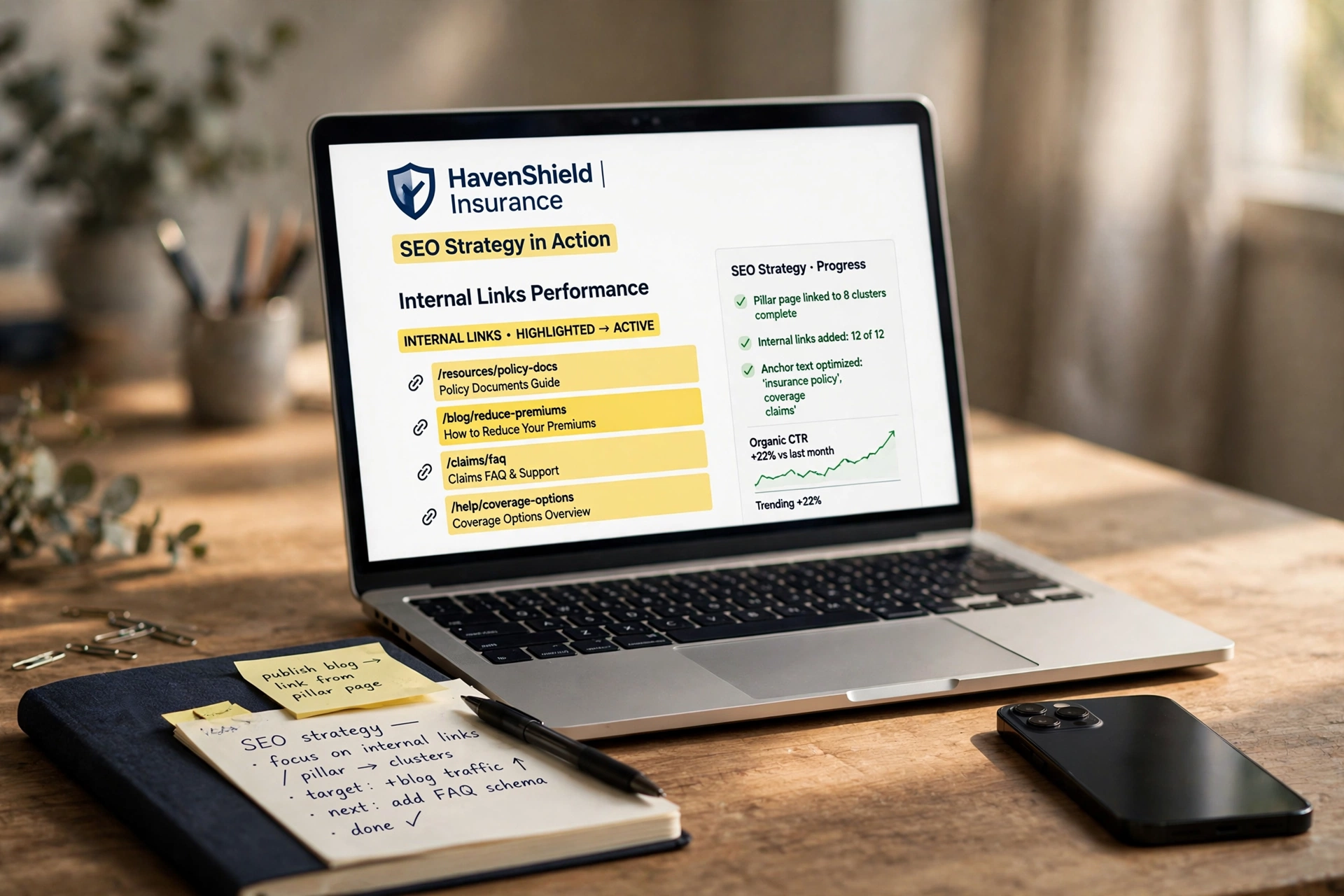
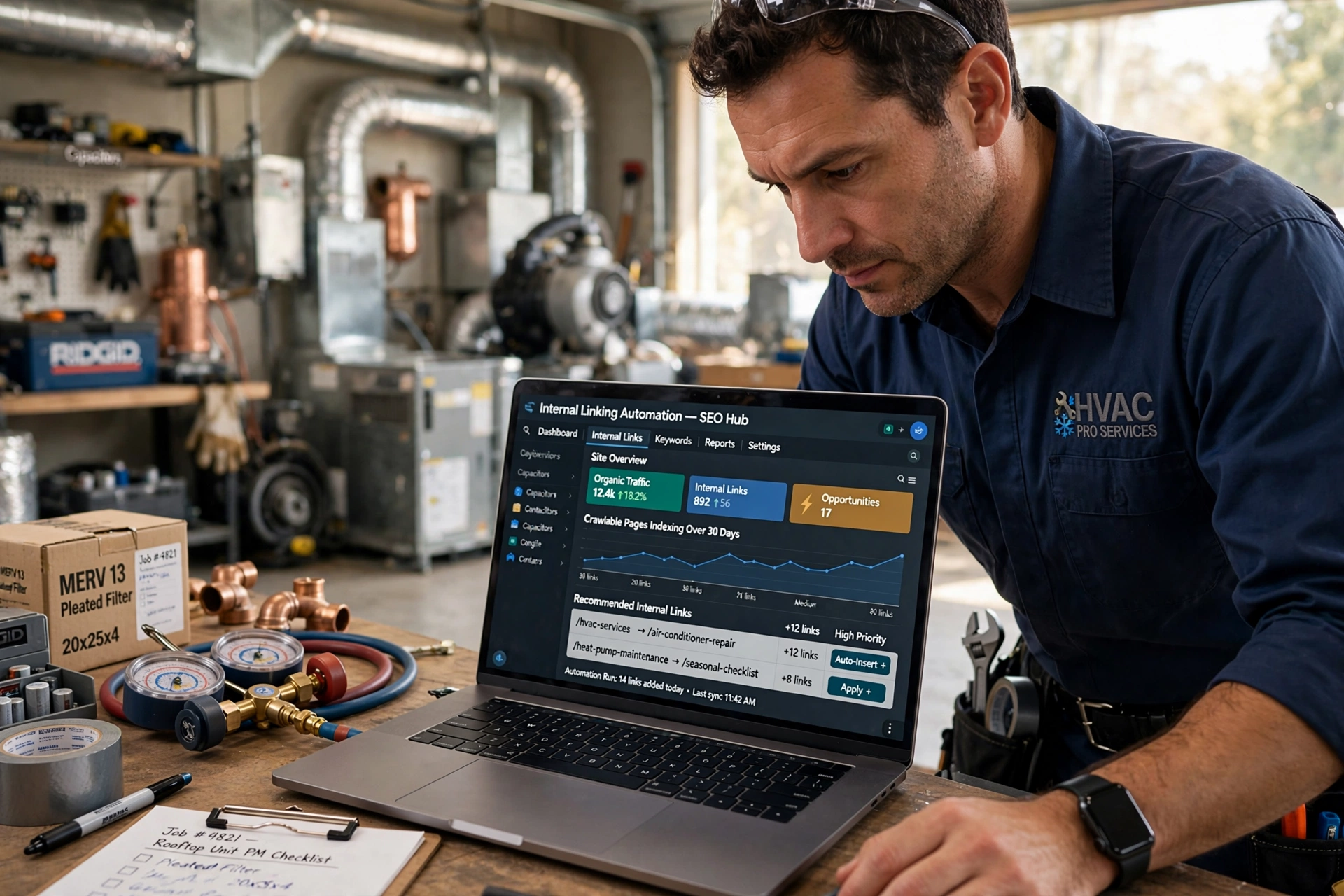
Stop writing random blog posts. Pick 3–5 core service categories and create pillar pages (comprehensive guides) linked to satellite pages (long-tail, specific queries). This structure tells Google you're the authority. Tools like BizAI automate this at scale — deploying 300+ interconnected pages in month one.
Step 3: Scale with Programmatic SEO
Programmatic SEO uses templates to generate hundreds of pages targeting location + service combinations, question-based queries, and decision-stage keywords. This is the most cost-effective way to dominate your niche. I've seen clients generate 10,000+ organic visitors per month with a single programmatic rollout. For a deep dive, check out
Programmatic SEO Agency Explained: What It Is & Why You Need One in 2026.
Step 4: Convert Traffic with AI Lead Qualification
Traffic is worthless if it doesn't convert. Every page should have an intelligent lead capture system — not just a static form. BizAI's Agent tracks scroll behavior, reading speed, and intent signals, then initiates a conversation to qualify and book meetings. This turns your traffic cost into measurable ROI almost immediately.
Comparing Traffic Acquisition Options
To understand if your organic traffic cost is justified, compare the three common approaches:
| Approach | Cost Structure | ROI Timeline | Lead Quality | Scalability |
|---|
| Paid Ads (Google/Facebook) | Variable per click; $50–$200 per lead typical | Immediate | Low to medium; often fleeting intent | Limited by budget; costs increase with competition |
| Generic Content Marketing (cheap AI) | Fixed content cost; $200–$1,000 per article | 6–12 months | Varies; often low-quality, no topical depth | Hard to scale without clear strategy; algorithm penalties risk |
| Programmatic SEO + AI Qualification | Fixed upfront investment; $3k–$10k per month | 3–6 months | High; buyer-intent content drives qualified leads | Highly scalable; algorithmic compounding |
In my experience, the third option delivers the lowest long-term traffic cost. But it requires discipline and the right technology. If you're considering an agency, read
Programmatic SEO Agency Pricing: What You'll Really Pay in 2026 to budget effectively.
Common Questions & Misconceptions
Myth 1: "SEO is free." Truth: Organic traffic isn't free — it's a different cost structure. You pay upfront with content, technology, and patience. The payoff is compounding. Calling it "free" leads to underpricing your effort.
Myth 2: "You need thousands of visitors to get a lead." Wrong. A service business with high-intent content can convert 5–10% of organic visitors. 200 targeted visitors can generate more leads than 10,000 casual browsers. Focus on buyer intent keywords, not volume.
Myth 3: "AI content will tank your rankings." It can — if you use it poorly. But programmatic SEO with quality templates, human oversight, and proper schema markup can outperform traditional content. Google doesn't penalize AI content; it penalizes spam. Use the right tools, like those explained in
How to Choose a Programmatic SEO Agency in 2026.
Frequently Asked Questions
1. What is the average organic traffic cost for a service business?
There is no fixed average because costs depend on competitiveness, geographic area, and current site authority. However, a reasonable monthly investment for a local service business ranges from $2,000 to $8,000 when combining content creation, SEO tools, and link building. National or multi-city businesses often spend $10,000–$25,000 per month. The key is to view this as an asset that appreciates, not an expense.
2. How much should I budget for organic SEO per month as a service business?
I recommend starting at $3,000–$5,000/month if you're doing it in-house (tools + writer + part-time SEO manager). If hiring an agency, expect $5,000–$10,000/month for a robust programmatic approach. Compare that to your current paid ad spend. If you're spending $8,000/month on ads, allocate 50% to organic for 6 months to transition.
3. How long before organic traffic reduces my cost per lead?
Most service businesses see a reduction within 3–6 months. The first two months are building the foundation (content, tech, indexing). Around month 3, you'll start seeing traffic from low-competition keywords. By month 6–9, your cost per lead should drop significantly, often by 40–60%. Full compounding kicks in after 12 months.
4. Can I use AI to lower my traffic cost?
Yes, but carefully. Generic AI writing tools can produce cheap, thin content that hurts rankings. However, programmatic AI (like BizAI) that follows templates, includes real data, and integrates with structured data can reduce content production costs by 70% while maintaining quality. The trick is to combine automation with human oversight and strategic planning.
5. What's the biggest mistake service businesses make with organic traffic?
Not calculating their true traffic cost. They see a $2,000/month bill from an agency and think it's too expensive — while simultaneously spending $15,000 on Google Ads that yield the same number of leads. The second mistake is stopping too early. SEO is not a six-month experiment. It's a long-term asset. If you can't commit to 12+ months, stay on ads. But if you want cumulative growth, invest in organic.
Summary + Next Steps
Your organic traffic cost isn't a barrier — it's an investment with compounding returns. By shifting from renting traffic to owning it, you can drastically lower your cost per lead and build a sustainable pipeline. The path is clear: audit your current spend, build topical authority, scale with programmatic SEO, and convert traffic intelligently.
If you're ready to install an end-to-end organic acquisition system that manages both traffic production and lead qualification, explore how
BizAI GPT can automate the entire process. For more insights on agency partnerships, read
Advantages of an SEO Agency for Service Business Growth and
Is SEO Agency for Service Business Worth It?.
💡Key Takeaway
The real cost of organic traffic is discipline and patience — not money. Master those, and your traffic cost will trend to zero over time.
AI Search Accelerator: 1-on-1 Strategy Session
Claim one of the 10 monthly slots. Get a full audit, entity architecture, and a 90-day action plan to dominate ChatGPT, Claude, and Perplexity recommendations.