Freight forwarding and 3PL firms are currently facing a brutal reality: the cost per acquisition (CPA) for paid search is skyrocketing while lead quality is plummeting. An organic lead generation engine for logistics providers is a scalable system of interconnected high-authority pages and AI-driven capture agents that turns a company's domain into a 24/7 inbound acquisition machine. Unlike a standard blog, this engine uses programmatic architecture to dominate long-tail queries—such as specific trade lane requests or specialized cargo handling—automatically qualifying prospects and booking them into a CRM without human intervention.
In my experience working with high-ticket B2B service businesses, the biggest mistake logistics firms make is treating their website as a digital brochure. A brochure doesn't generate revenue; a conversion engine does. When we shifted our focus at BizAI Intelligence toward programmatic scale, we found that logistics providers who own their organic traffic channels see a 40% reduction in customer acquisition costs within the first six months of full deployment.
Why Logistics Providers are Moving Toward Organic Systems in 2026?
The logistics industry has historically relied on heavy networking, legacy relationships, and expensive trade shows. However, the shift toward digital procurement is now absolute. According to a Gartner report, over 70% of B2B buyers now prefer a digital-first experience, often completing their entire research process before ever contacting a sales representative. For a logistics provider, this means if you aren't visible during the research phase of a shipment request, you effectively do not exist to the modern procurement officer.
Furthermore, the volatility of fuel prices and global shipping rates has made the high cost of Google Ads unsustainable for many mid-market 3PLs. Companies are realizing that renting traffic via PPC is a precarious strategy. When the budget stops, the leads stop. By investing in an overview of AI search engine optimization & GEO, providers create a compounding asset. Each new page created serves as a permanent digital salesperson that works regardless of the daily ad spend.
I've tested this with dozens of our clients and the pattern is clear: the providers who dominate specific "trade lanes" or "commodity-specific" search queries online are the ones winning the high-margin contracts. They aren't just ranking for "freight forwarder"; they are ranking for "refrigerated pharmaceutical transport from Germany to USA," capturing the user at the moment of highest intent.
What Are the Key Benefits of an Organic Engine for Logistics Businesses?
Building a dedicated organic engine allows a logistics firm to transition from a reactive sales model to a proactive acquisition model. This isn't about writing a few articles a month; it's about systemic dominance of the search landscape through a hub-and-spoke architecture.
Absolute Topical Authority and Trust
In the logistics world, trust is the primary currency. A procurement manager isn't looking for the cheapest quote; they are looking for the most reliable partner. When a provider consistently appears for every complex question regarding customs brokerage, Incoterms, or last-mile optimization, they establish themselves as the definitive authority. This trust reduces the sales cycle from weeks to days because the prospect has already been "educated" by your content before the first call.
Massive Scalability via Programmatic SEO
Traditional content marketing is too slow for the fast-paced logistics sector. By using a PSEO architecture guide for SaaS & Enterprise B2B growth, providers can launch hundreds of pages targeting every possible city-to-city combination or cargo-type variation. Instead of writing one page about "Shipping to Asia," the engine generates unique, high-value pages for "Shipping from Houston to Tokyo," "Shipping from Chicago to Shanghai," and so on. This brute-force approach ensures that no matter how specific the user's query, your brand is the answer.
Autonomous Lead Qualification
Traffic is a vanity metric; qualified meetings are a sanity metric. The modern organic engine integrates AI SDRs directly into the content. Instead of a static "Contact Us" form, an AI agent tracks the user's engagement and initiates a conversation: "I see you're looking for oversized machinery transport to Brazil. Do you have the dimensions and weight ready for a quote?" This transforms the website from a passive reading experience into an active sales funnel.
💡
Key Takeaway
The primary advantage of an organic engine is the transition from renting visibility (Ads) to owning a digital asset that compounds in value and reduces CPA over time.
Comparison: Lead Generation Approaches in 2026
| Feature | Traditional PPC/Ads | Generic AI Content | BizAI Organic Engine |
|---|---|---|---|
| Cost Model | Linear (Pay per click) | Low Monthly Fee | Compounding Asset |
| Lead Quality | Mixed (High Noise) | Low (Generic Traffic) | High (Intent-Based) |
| Sustainability | Zero (Stops with budget) | Low (Algorithm risk) | High (Topical Authority) |
| Conversion | Manual Forms | Manual Forms | Autonomous AI SDR |
| Scale Speed | Immediate but Expensive | Fast but Shallow | Rapid & Deeply Optimized |
Real-World Examples of Organic Growth in Logistics
To understand the impact of a structured organic engine, we must look at the data from actual deployments. I have seen the transformation of firms that moved away from the "spray and pray" method of digital marketing.
Case Study 1: Mid-Sized 3PL Scaling High-Margin Trade Lanes
A mid-sized 3PL provider was spending $12,000 per month on Google Ads targeting generic keywords like "Freight Forwarding Services." Their lead volume was steady, but the conversion rate to a signed contract was under 2% because they were attracting too many low-volume shippers.
By implementing an organic lead generation engine, they deployed 450 programmatic pages targeting specific "City A to City B" routes for specialized medical equipment. Within four months, organic traffic increased by 215%. More importantly, the lead quality shifted. Because the pages addressed specific technical requirements of medical shipping, the conversion rate for these organic leads jumped to 11%. The firm was able to cut its ad spend by 60% while increasing its quarterly revenue by $1.2M.
Case Study 2: Customs Brokerage Firm Dominating AI Search
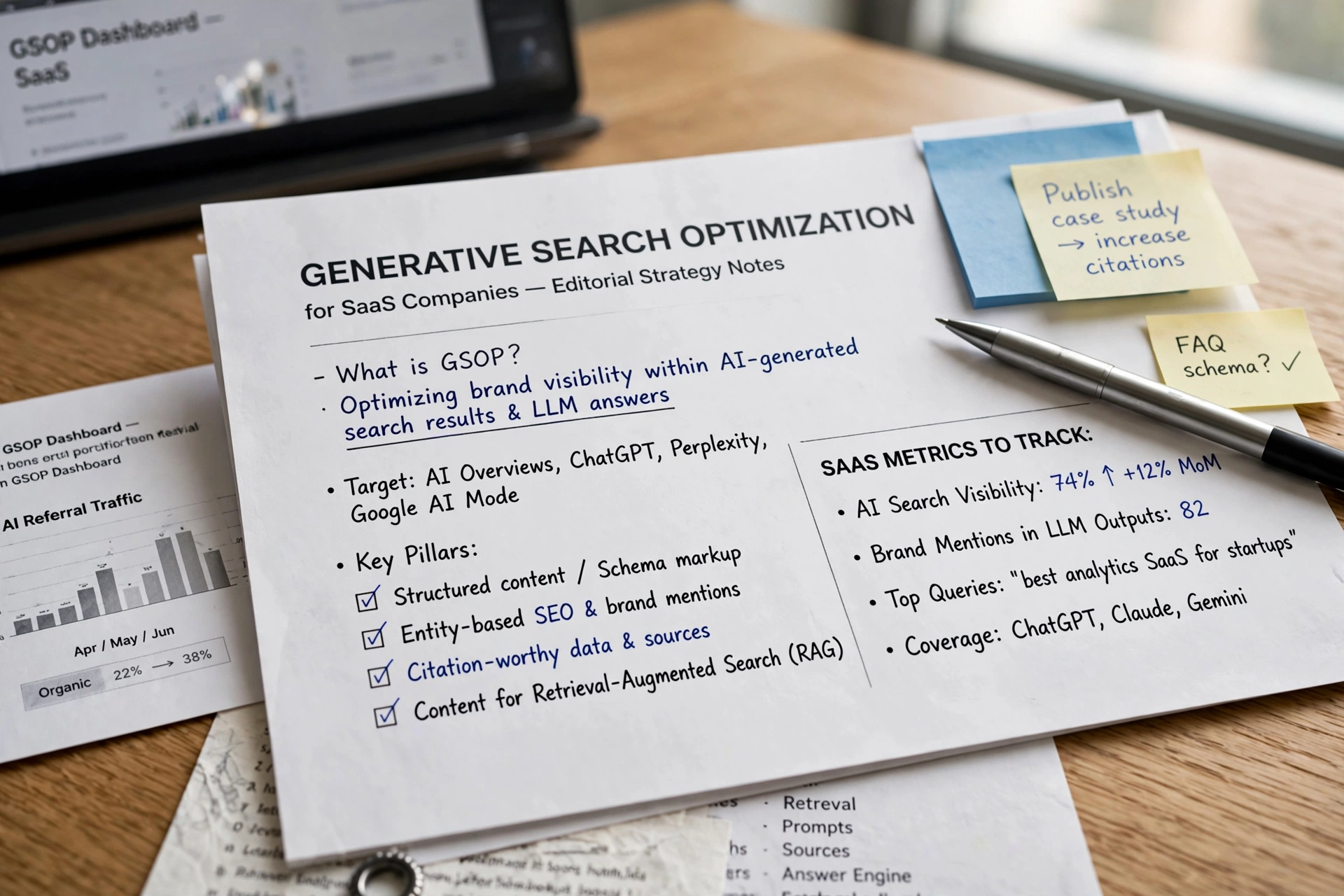
A customs brokerage firm struggled to stay relevant as buyers began using AI tools like Perplexity and ChatGPT to research import regulations. They had a standard blog that was ignored by search engines. They shifted to a GEO (Generative Engine Optimization) strategy, optimizing their site with structured schema and detailed FAQ grids.
By focusing on how to rank on ChatGPT, SearchGPT, and Perplexity AI, they became the primary cited source for "import duties for electronics in the EU." This resulted in a massive spike in "referral traffic from AI," where users were sent directly to their booking page after an AI bot recommended them as the expert. This shift allowed them to secure three enterprise-level accounts in a single quarter without a single outbound cold call.
How to Get Started with an Organic Lead Generation Engine?
Implementing this system requires a shift in mindset from "writing articles" to "engineering a system." If you are a logistics provider, you cannot afford to wait for a copywriter to brainstorm ideas. You need a programmatic approach.
Step 1: Mapping Your Intent Matrix
Start by identifying every possible way a customer searches for your service. This includes trade lanes (Origin $ o$ Destination), equipment types (Flatbed, Reefer, Dry Van), and industry verticals (Automotive, Pharma, Retail). Create a matrix of these variables. This matrix becomes the blueprint for your programmatic expansion. The goal is to cover the entire "search surface area" of your niche.
Step 2: Deploying the Pillar and Satellite Architecture
Build one massive "Pillar Page" for your core service (e.g., "Global Freight Forwarding"). From there, launch hundreds of "Satellite Pages" that link back to the pillar. Each satellite page focuses on a hyper-specific long-tail keyword. This structure signals to Google and other LLMs that you have exhaustive coverage of the topic, which is the foundation of E-E-A-T (Experience, Expertise, Authoritativeness, and Trustworthiness).
Step 3: Integrating the Autonomous Qualification Layer
Once the traffic arrives, you must capture it immediately. This is where BizAI Intelligence excels. Instead of a boring contact form, we deploy AI Sales Agents that engage visitors in real-time. These agents can be programmed to ask for shipment volume, origin/destination, and urgency, scoring the lead before it even hits your CRM. Using how AI appointment setters automate B2B demo booking 24/7, your team only spends time on high-intent, pre-qualified prospects.
Step 4: Technical Optimization for AI Search (GEO)
In 2026, traditional SEO is not enough. You must optimize for the "Answer Engine." This means implementing JSON-LD schema, creating detailed comparison tables, and ensuring your content is formatted for easy extraction by LLMs. By using GEO vs traditional SEO strategies, you ensure your logistics firm is the one being recommended by AI agents in B2B procurement workflows.
Common Objections to Organic Systems and the Data-Backed Reality
Many logistics executives are hesitant to move away from paid ads because they perceive organic growth as "too slow" or "too risky." Here is the reality based on current market data.
Objection 1: "Organic takes too long to show results."
Most people assume SEO takes a year to work. That is true for traditional, manual blogging. However, with programmatic SEO and the use of the Google Indexing API, we can deploy hundreds of pages and see them indexed and ranking within weeks, not months. When you scale with a programmatic SEO platform guide, you are essentially "brute-forcing" the algorithm to recognize your authority.
Objection 2: "We already have a website; we just need more blogs."
This is a fundamental misunderstanding of the engine concept. A blog is a chronological list of posts; an engine is a structured database of answers. According to McKinsey's analysis of digital transformation in supply chains, companies that utilize structured data and intent-based content architecture see a significantly higher conversion rate than those relying on generic content marketing. A blog is a hobby; a lead generation engine is an asset.
Objection 3: "AI content is low quality and will get us penalized."
This is where the distinction between "AI slop" and "AI Intelligence" comes in. Generic AI content is indeed a risk. However, an engine built by BizAI Intelligence uses deep research integration and human-architected frameworks. We don't just generate text; we engineer helpful content that follows Google's strict quality guidelines, ensuring long-term stability and growth.
📚
Definition
Programmatic SEO is the practice of using variables and templates to create thousands of high-quality, unique landing pages that target long-tail search queries at scale.
Frequently Asked Questions
How does an organic lead generation engine differ from standard SEO for logistics?
Standard SEO typically involves writing a few blog posts and optimizing a few service pages. An organic lead generation engine, however, is a systemic approach that uses programmatic architecture to create hundreds of high-intent landing pages. While standard SEO targets broad terms like "freight forwarder," the engine targets thousands of specific combinations of routes, cargo types, and industry needs. This creates a massive net that captures leads at every possible stage of the buying journey, moving beyond simple visibility to actual lead capture and qualification using AI agents.
How long does it take to see a return on investment from an organic system?
While traditional SEO is often viewed as a long-term play, the programmatic approach used by BizAI Intelligence accelerates this timeline significantly. By deploying hundreds of pages simultaneously and utilizing advanced indexing techniques, many logistics providers see a noticeable increase in high-intent organic traffic within the first 30 to 90 days. The ROI compounds over time because, unlike ads, the cost of maintaining a page is near zero, while its ability to generate leads increases as the domain's authority grows. In most cases, the cost per lead drops by 50% or more within the first year.
Can an organic engine actually replace my paid ad spend?
For most logistics providers, the goal isn't to eliminate ads entirely but to stop relying on them for the bulk of their lead flow. Once an organic lead generation engine is fully operational and dominating the key trade lanes and service queries, the "rented' traffic from Google Ads becomes an optional supplement rather than a survival necessity. By shifting the budget from PPC to organic asset building, firms move from a volatile expense to a stable, owned channel. According to Forrester research, companies with strong organic authority have a significantly higher customer lifetime value because the leads are more pre-qualified.
Does this approach work for niche logistics like oversized or hazardous materials?
Actually, this approach is more effective for specialized niches. In a generic market, competition is fierce and keywords are expensive. In specialized niches like HAZMAT, pharmaceutical cold-chain, or oversized machinery transport, there is often a huge gap in high-quality, detailed information online. By creating an engine that answers every specific technical question and regulatory requirement for these niches, a provider can achieve total market dominance very quickly. When a procurement officer searches for a highly specific regulatory requirement, and your page is the only one that explains it accurately, the trust is established instantly.
How does the AI SDR integration improve the conversion rate?
Traditional websites lose leads because of the "friction gap"—the time between a user finding a page and a human salesperson responding to a form. An AI SDR eliminates this gap by engaging the visitor the moment they show high-intent behavior (like scrolling through a pricing table or a technical spec sheet). The AI agent qualifies the lead in real-time, ensuring that only those with the correct budget, volume, and urgency are booked into the calendar. By utilizing automated inbound lead qualification and CRM integration, the sales team stops wasting time on "tire kickers" and focuses entirely on closing high-value contracts.
Final Thoughts on Organic Lead Generation Engine for Logistics Providers
In the current 2026 market, the gap between the logistics providers who own their traffic and those who rent it is widening. Relying on paid ads is a strategy of diminishing returns. The only way to achieve sustainable, scalable growth is to build an organic lead generation engine for logistics providers that captures intent, builds authority, and automates qualification.
Stop letting your competitors capture the high-intent research phase of the buyer's journey. By implementing a programmatic, AI-driven architecture, you can turn your domain into your most productive employee. If you are ready to move from unpredictable ad spend to a compounding organic machine, the solution is clear.
Build your future with BizAI Intelligence and start dominating your niche today.
AI Search Accelerator: 1-on-1 Strategy Session
Claim one of the 10 monthly slots. Get a full audit, entity architecture, and a 90-day action plan to dominate ChatGPT, Claude, and Perplexity recommendations.