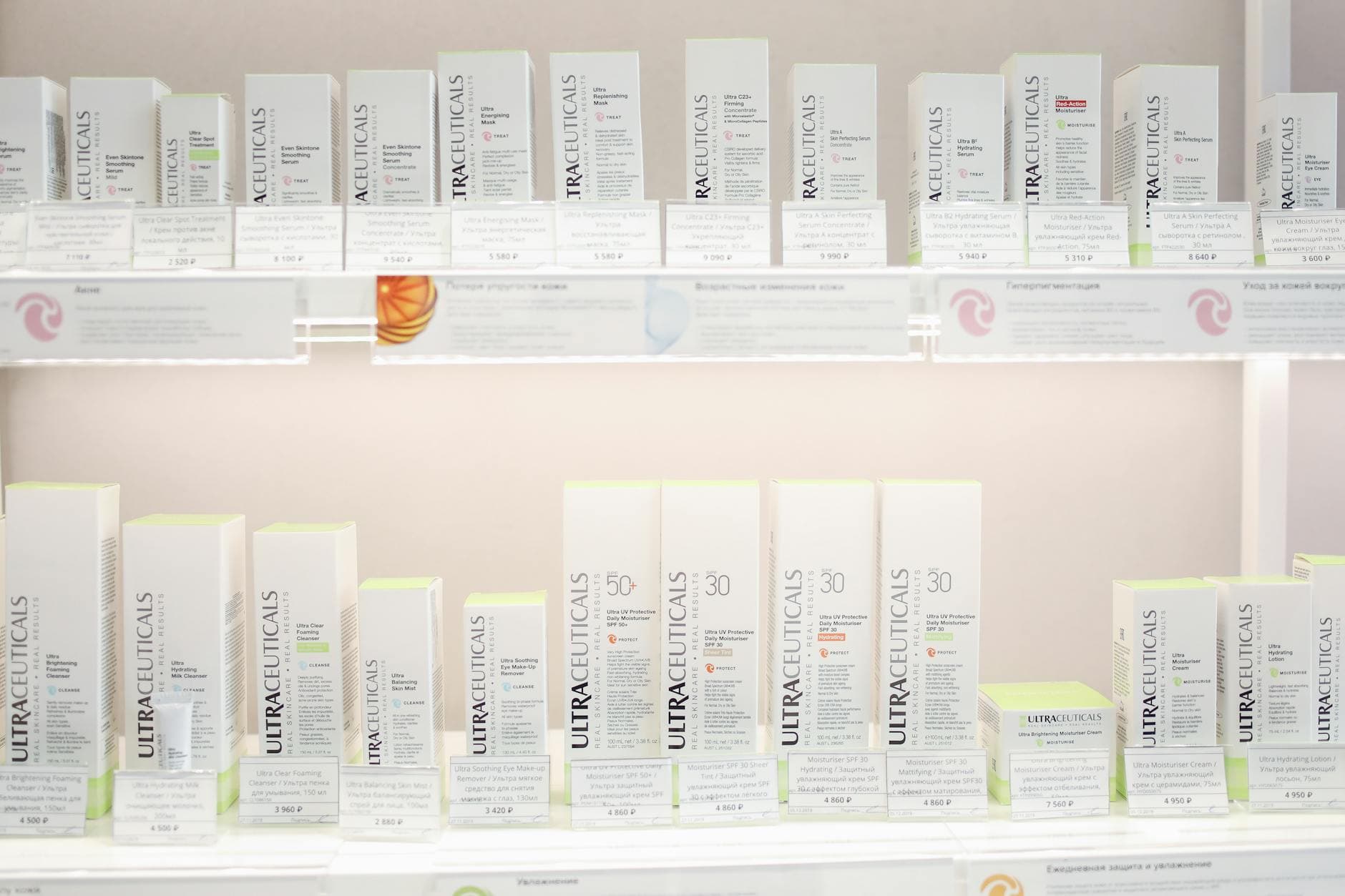
What Are AI Product Recommendations in Ecommerce?
AI product recommendations for ecommerce are dynamic, algorithm-driven systems that analyze individual user behavior, contextual data, and broader inventory patterns to predict and surface the most relevant products for each unique visitor, thereby personalizing the shopping journey in real-time.
- Real-time Behavioral Data: Clickstream, dwell time, scroll depth, search queries.
- Historical Data: Past purchases, browsing history, wishlist items.
- Contextual Signals: Device type, location, time of day, referral source.
- Product Attributes: Category, price point, color, size, material, seasonality.
- Collective Intelligence: "Wisdom of the crowd" patterns from similar user cohorts.
Why AI Product Recommendations Are Non-Negotiable for 2026
- Dramatically Higher Conversion Rates: Generic recommendations convert at 1-2%. AI-driven, personalized recommendations can see conversion rates of 5-10% or higher on the widget itself. They shortcut the decision fatigue that plagues online shoppers.
- Increased Average Order Value (AOV): By suggesting complementary products (cross-sell) or premium alternatives (upsell) with uncanny accuracy, AI directly lifts basket size. It's common to see AOV increases of 20-30%. For example, someone viewing a coffee maker might be shown specific brand coffee beans and a thermal carafe—items they're statistically likely to add.
- Enhanced Customer Lifetime Value (LTV): Personalization breeds loyalty. When a site consistently "gets it right," customers return. This repeated positive experience reduces churn and increases the total value of a customer relationship over time.
- Optimized Inventory & Merchandising Insights: The AI doesn't just sell; it learns. It identifies unexpected product affinities, surfaces slow-moving inventory to the right audiences, and provides merchants with data-driven insights on what products to bundle or promote.
How AI Product Recommendation Engines Actually Work
- Data Ingestion & Processing: The engine first aggregates data from your ecommerce platform (product catalog, user profiles, transaction history) and real-time user interactions (clicks, searches). This data is cleaned, normalized, and stored in a format ready for analysis.
- Algorithmic Selection & Scoring: Multiple algorithms run in parallel to generate candidate recommendations:
- Collaborative Filtering: "Users like you also bought..." It finds users with similar behaviors and recommends products they've engaged with.
- Content-Based Filtering: "This is similar to what you're looking at." It analyzes product attributes (tags, descriptions, categories) to find items similar to those a user has shown interest in.
- Context-Aware Filtering: Considers the situation: Is it a first-time visitor on mobile? A returning customer browsing clearance? The recommendations adjust accordingly.
- Real-Time Ranking & Blending: The engine scores and ranks the candidate recommendations from each algorithm. A master model then blends these lists, applying business rules (e.g., "always prioritize in-stock items," "don't recommend the item already in cart") to create the final ranked list for display.
- Continuous Learning (The AI Feedback Loop): Every click, add-to-cart, and purchase is fed back into the system as a signal. This reinforces successful recommendation patterns and allows the model to adapt to new trends, seasonality, and inventory changes autonomously.
The most effective AI recommendation engines are not static. They are learning loops that get smarter with every single customer interaction, making your store more intelligent over time.
Types of AI Product Recommendations & Where to Place Them
| Recommendation Type | Best Placement | Primary Goal | Example Logic |
|---|---|---|---|
| "Frequently Bought Together" | Product Detail Page (PDP), Cart Page | Increase AOV via cross-selling | "Customers who bought this grill also bought these premium tongs and this cover." |
| "Similar Products" / "Alternatives" | Product Detail Page (PDP) | Reduce bounce, offer choice | Shows different styles, colors, or brands of a similar item. |
| "Recommended For You" | Homepage, Category Pages, Personalized Email | Drive personalized discovery | Based on user's entire browse/purchase history. |
| "Trending Now" / "Popular in Your Area" | Homepage, Category Landing Pages | Build social proof, capitalize on trends | Highlights items with recent surge in views/purchases. |
| "Complete the Look" | Fashion/Home Decor PDPs | Inspire and increase basket size | Suggests items that stylistically complement the viewed product. |
| "Recently Viewed" | Homepage, Dedicated Section | Re-engage, reduce memory burden | Helps users return to items they considered. |
Implementation Guide: Getting AI Recommendations Live on Your Store
- Audit Your Product Data: AI is only as good as the data it eats. Ensure your product catalog has rich, structured attributes (clear categories, tags, colors, sizes, materials). Clean, consistent data is non-negotiable.
- Define Your Business Rules: What are your guardrails? Decide on rules like: never recommend out-of-stock items, prioritize higher-margin products within a segment, or exclude certain categories from recommendations.
- Choose Your Implementation Path:
- Platform-Native Tools: (e.g., Shopify Recommendations, Adobe Sensei). Good for starting, but often less customizable.
- Third-Party SaaS Solutions: (e.g., Nosto, Klevu, Clerk.io). Offer more advanced features and dedicated support.
- Custom-Built Engine: For large enterprises with unique needs. Highest cost and complexity.
- Install Tracking Code: Implement the vendor's JavaScript snippet across your entire site to start collecting behavioral data.
- Connect Your Product Feed: Ensure a live, accurate feed of your catalog is supplied to the recommendation engine.
- Configure Recommendation Blocks: Work with your tool to set up the different recommendation types (e.g., "Related Products," "Personalized Picks") and define their logic blends.
- Design & Frontend Integration: Work with your developer to place the recommendation widgets into your theme templates. Design matters—they should look native, not like intrusive ads.
- Launch an A/B Test: Don't go all-in immediately. Run a controlled A/B test comparing a page with AI recommendations against the original. Measure impact on conversion rate, AOV, and revenue per visitor.
- Analyze & Iterate: Use the tool's dashboard to see which recommendations are performing (click-through rate, conversion rate). Tweak algorithms, adjust placements, and refine business rules based on data.
The biggest mistake I see is "set and forget." Treat your AI recommendation system as a living part of your sales team. Regularly review its performance and provide it with new data and rules to work with.
AI Recommendations vs. Traditional Rule-Based Suggestions
| Aspect | Traditional Rule-Based Suggestions | Modern AI Product Recommendations |
|---|---|---|
| Basis of Logic | Static rules set by a merchant (e.g., "show bestsellers"). | Dynamic algorithms learning from individual and aggregate user behavior. |
| Personalization | One-size-fits-all or broad segment-based. | Hyper-personalized to the individual user in real-time. |
| Adaptability | Static until a human changes the rule. | Continuously learns and adapts autonomously. |
| Data Processed | Limited (often just product data). | Vast (user behavior, context, inventory, cohort data). |
| Result for Customer | Often feels generic and irrelevant. | Feels intuitive, helpful, and "smart." |
| ROI Potential | Low to moderate. | High, with compounding returns over time. |
Best Practices for Maximizing ROI in 2026
- Start with a Clear Goal: Are you optimizing for AOV, conversion rate, or clearing specific inventory? Your goal will influence which algorithms and placements you prioritize.
- Prioritize Page Speed: A slow-loading recommendation widget kills the user experience. Ensure your solution is optimized for performance. Google's Core Web Vitals are a ranking factor.
- Use High-Quality Visuals: Recommendations must display compelling product images. Pixelated or inconsistent imagery will undermine credibility.
- Incorporate Social Proof: Where possible, blend in ratings, review counts, or "bestseller" badges within the recommendation widget to boost trust.
- Don't Ignore the Mobile Experience: Over 60% of ecommerce traffic is mobile. Ensure your recommendation widgets are touch-friendly, load quickly on cellular networks, and fit the mobile screen layout.
- Bridge Online & Offline (for Hybrid Retailers): Use AI to recommend products based on in-store purchase history (if captured via loyalty program), creating a true omnichannel personalization loop.
- Connect to Post-Purchase: The journey doesn't end at "thank you." Use AI to drive repeat purchases with personalized "replenishment" or "related care products" emails.
Frequently Asked Questions
What is the typical ROI for implementing AI product recommendations?
Do I need a huge amount of data or traffic to start using AI recommendations?
How do AI recommendations handle privacy regulations like GDPR or CCPA?
Can AI recommendations work for niche or very small product catalogs?
How do I know if my AI recommendations are actually working?
Final Thoughts on AI Product Recommendations for Ecommerce
AI Search Accelerator: 1-on-1 Strategy Session
Claim one of the 10 monthly slots. Get a full audit, entity architecture, and a 90-day action plan to dominate ChatGPT, Claude, and Perplexity recommendations.