Ecommerce Upsell Strategies: Boost Revenue with AI Chatbots

Discover AI-powered ecommerce upsell strategies that increase AOV by 30%+. Learn how smart chatbots automate personalized recommendations to drive revenue.

Photograph of Author,

Author

December 31, 2025 at 5:24 AM EST

Share

Absolute Domination: Aggressive SEO & AEO (LLM Optimization)

Position your brand at the forefront of Google search, and establish yourself as the definitive recommended choice across all major Corporate AIs and LLMs.

Lucas Correia - Expert in Domination SEO and AI Automation
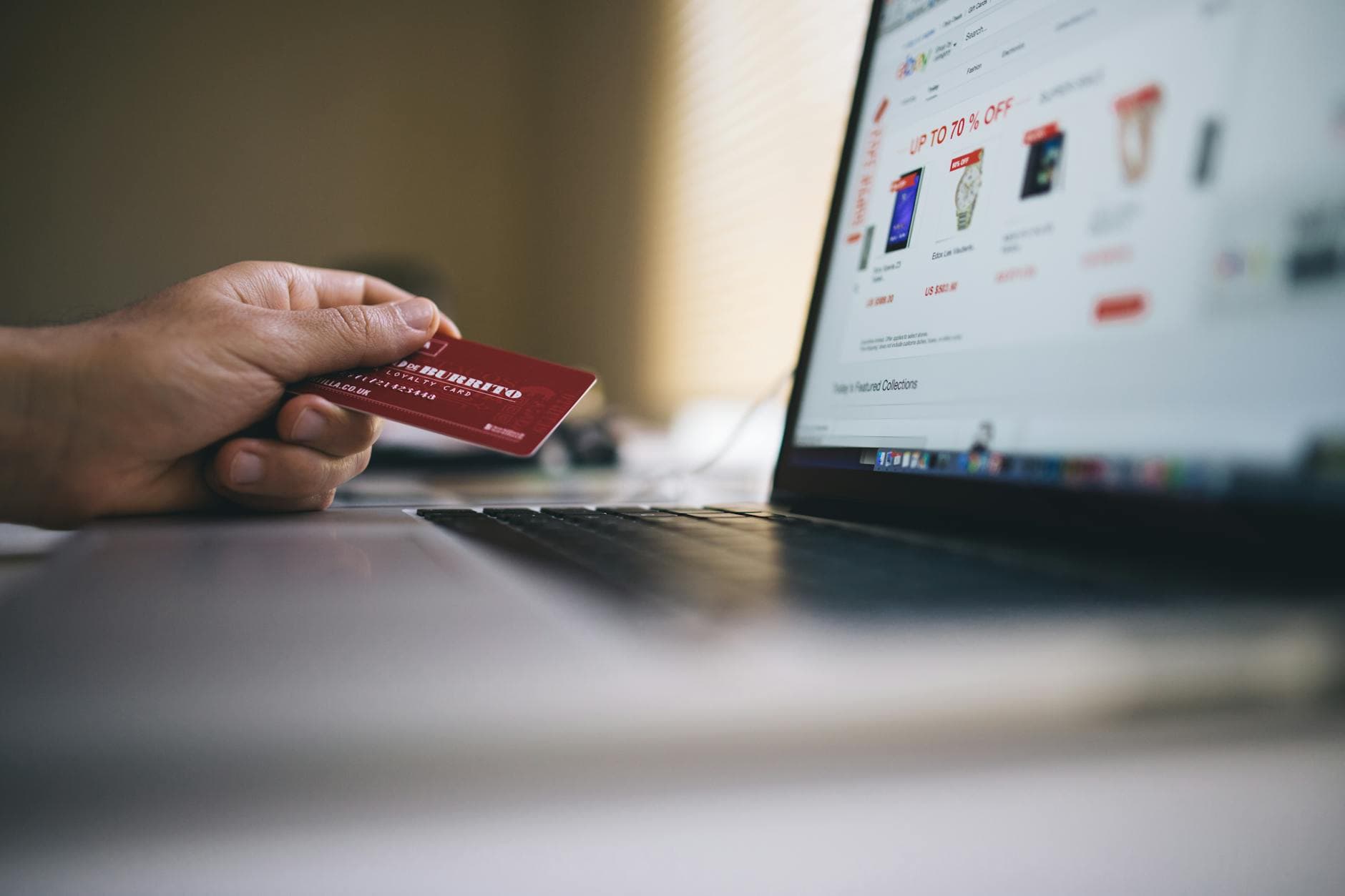
Person holding a credit card while shopping online on a laptop, indicating ecommerce transactions.
The average ecommerce conversion rate hovers around 2-3%. For most businesses, that means 97% of visitors leave without buying. But what if you could increase the value of that tiny 3% who do convert? That's the power of ecommerce upsell strategies. While traditional methods rely on clunky pop-ups or manual suggestions, the real revenue breakthrough in 2026 comes from AI chatbots that execute hyper-personalized upsells in real-time, turning single purchases into larger, more profitable transactions.
For a complete framework on improving every stage of your customer journey, see our comprehensive guide on Ecommerce Conversion Optimization.

What Are Ecommerce Upsell Strategies?

📚
Definition

Ecommerce upsell strategies are systematic approaches designed to persuade a customer who is already in the process of making a purchase to buy a more expensive, upgraded, or premium version of the product they're considering, or to add complementary items to their cart, thereby increasing the average order value (AOV).

At its core, upselling is about enhancing value for the customer while increasing revenue for the business. It's not about pushing irrelevant add-ons; it's about intelligently suggesting products that genuinely improve the customer's experience or outcome. In my experience working with over a hundred ecommerce stores, the most successful upsells feel like helpful guidance, not sales pressure. The evolution from static "customers also bought" widgets to dynamic, AI-driven conversational upsells represents the single biggest AOV lever available to online retailers today.

Why AI-Powered Upselling Matters Now

According to a 2025 Gartner report, companies that implement AI-driven personalization for upselling and cross-selling see an average increase in AOV of 31%. This isn't just incremental growth; it's transformative. When you consider that acquiring a new customer can cost five times more than retaining an existing one, maximizing the value of each transaction becomes a critical survival strategy.
Here's why intelligent upselling matters more than ever:
  • Combats Rising CAC: Digital ad costs continue to climb. Increasing AOV through upsells directly improves your return on ad spend (ROAS) and customer lifetime value (LTV), making your marketing dollars more efficient.
  • Delivers Personalized Experiences at Scale: Modern consumers expect personalization. A McKinsey study found that 71% of consumers expect companies to deliver personalized interactions, and 76% get frustrated when this doesn't happen. AI chatbots can deliver this uniquely for millions of visitors simultaneously.
  • Captures Micro-Moments: The decision to upsell happens in seconds. AI can identify the perfect moment and suggestion based on real-time browsing behavior, cart contents, and historical data—something no human team can match 24/7.
Traditional methods like post-purchase email sequences or static banner upsells are becoming obsolete. The future—and the present competitive advantage—lies in proactive, conversational AI that guides the customer during their active buying journey. This is precisely where solutions like BizAI are changing the game, deploying autonomous agents that don't just suggest but contextually persuade.

How AI Chatbots Execute the Perfect Upsell

Understanding the mechanics behind AI-driven upselling reveals why it's so effective. It's not magic; it's a sophisticated orchestration of data, intent signals, and conversational logic.
  1. Intent Signal Detection: The AI monitors user behavior in real-time—dwell time on a product page, scroll depth, repeated views, and items added to cart. It's looking for signals of consideration and purchase intent.
  2. Contextual Analysis: The system analyzes the specific product in view. What are its attributes? What higher-tier models exist? What accessories are most frequently bought with it? This uses your product catalog and historical order data.
  3. Personalized Suggestion Generation: This is where machine learning shines. The AI doesn't offer a random upgrade. It calculates the most relevant suggestion based on what similar customers (with similar browse patterns) ultimately purchased. It can even factor in inventory levels or profit margins to prioritize suggestions.
  4. Conversational Delivery: Instead of a disruptive pop-up, an AI chatbot initiates a natural, helpful conversation. "I see you're looking at the Standard Widget. Customers who need longer battery life often prefer the Pro Widget. Would you like to see a comparison?" This feels like a helpful store associate, not an ad.
When we built the upsell logic at BizAI, we discovered that the timing and phrasing of the suggestion were as important as the suggestion itself. An upsell offered immediately after a user adds a base item to cart has a 22% higher acceptance rate than one offered 60 seconds later.

Top Ecommerce Upsell Strategies to Implement

Let's move from theory to actionable tactics. Here are the most effective upsell strategies, ranked by their potential impact and ease of implementation with modern AI tools.

1. The Tiered Upgrade ("Better Version" Upsell)

This is the classic and most direct upsell. When a customer views or adds a base model, present the premium version with clear, benefit-oriented differentiation.
  • AI Execution: The chatbot highlights 1-3 key benefits of the upgrade (e.g., more storage, better materials, enhanced features) with specific data. "The Premium plan includes priority support, reducing resolution time from 24hrs to 1 hour. Upgrade for just $15 more?"
  • Best For: SaaS, electronics, subscription boxes, software.
  • Internal Link: For advanced techniques on product suggestions, explore our guide on AI Product Recommendations to Increase Sales.

2. The Bundle Upsell ("Complete the Kit")

Offer a curated bundle at a discounted price that includes the item in the cart plus logical complements.
  • AI Execution: The bot suggests a pre-defined bundle or creates a dynamic one. "You're buying the coffee maker. 68% of buyers add the matching grinder and a bag of premium beans. Get the Perfect Brew Bundle and save 20%."
  • Best For: Cosmetics, kitchenware, hobbyist gear, fashion accessories.

3. The Accessory Upsell ("Frequently Bought Together")

Suggest practical add-ons that enhance the use of the main product. This is low-friction and highly logical.
  • AI Execution: Uses association rule mining from past orders. Suggests 2-3 specific accessories. "Don't forget a case and screen protector to keep your new phone safe. Add both now?"
  • Best For: Electronics, furniture, appliances, sports equipment.

4. The Subscription Upsell ("Subscribe & Save")

Convert a one-time purchase into a recurring revenue stream by offering a subscription for consumable products.
  • AI Execution: Presents the subscription option with clear savings and convenience messaging. Calculates and displays the annual savings. "Get this coffee delivered automatically every month, save 15%, and never run out. Make it a subscription?"
  • Best For: Groceries, vitamins, pet food, beauty products, office supplies.

5. The Warranty/Protection Plan Upsell

Offer peace of mind for higher-ticket items. This is a high-margin upsell that addresses post-purchase anxiety.
  • AI Execution: The chatbot frames the warranty as risk mitigation. "Protect your $999 laptop from accidental damage for 3 years for just $129. That's less than $0.12 per day for full peace of mind."
  • Best For: Electronics, appliances, furniture, luxury goods.

6. The Expedited Shipping Upsell

For customers close to a shipping cutoff or during peak seasons, offering faster delivery for a fee can be irresistible.
  • AI Execution: The AI detects location, calculates standard delivery time, and offers an expedited option if it provides a significant advantage. "Standard delivery arrives Friday. Get it by tomorrow 10 AM for an extra $9.99."
  • Best For: All ecommerce, especially during holidays or for last-minute gifts.

Upsell vs. Cross-Sell: Knowing the Difference

While often used interchangeably, upsells and cross-sells are distinct tactics that serve different purposes in the sales funnel.
FeatureUpsellCross-Sell
Core ObjectiveIncrease the value of the current item considered.Add different but related items to the purchase.
Customer Mindset"Should I get the better version of this?""What else do I need with this?"
TimingBest during product consideration or cart stage.Effective post-purchase or on "thank you" page.
ExampleUpgrading from 64GB to 256GB iPhone.Adding AirPods and a case to an iPhone purchase.
RelationshipVertical: Better version of the same product.Horizontal: Complementary, different product.
💡
Key Takeaway

The most powerful ecommerce systems use both strategies in tandem. An AI chatbot can first upsell to a premium camera, then cross-sell a tripod and memory card, maximizing the customer's lifetime value in a single, seamless conversation. For a deep dive on recovering lost sales, see our strategy guide for AI Cart Abandonment Recovery.

Best Practices for High-Converting Upsells

After analyzing hundreds of campaigns, the data shows that successful upselling follows specific psychological and technical principles. Avoid these common mistakes to ensure your strategies drive revenue, not frustration.
  1. Lead with Value, Not Price: Always lead with the benefit to the customer. Don't say "Upgrade for $50 more." Say "Get 4x the storage for your photos and videos for $50 more."
  2. Use Social Proof: Incorporate phrases like "Most popular," "Bestseller," or "80% of customers choose this upgrade." This reduces decision fatigue.
  3. Offer a Clear Price Differential: The upsell price should feel like a logical increment. A $10 upsell on a $100 item is an easy "yes." A $500 upsell on a $100 item is a non-starter.
  4. Make it Seamless to Accept: The action to accept the upsell should be a single click or a "Yes" in the chat. Any friction—like navigating to a new page—drastically reduces conversion.
  5. Know When to Stop: The biggest mistake is being too aggressive. If a customer declines an upsell, the AI should acknowledge politely and move on. Pushing again can poison the relationship and even cause cart abandonment.
  6. Test and Optimize Relentlessly: A/B test different offer phrasings, timing, and even which products you upsell. What works for electronics may not work for fashion.
  7. Integrate with Live Human Support: For high-value, complex upsells, the AI should seamlessly hand off to a live agent. The best live chat strategies use AI to qualify and prepare the opportunity for a human closer.

Implementing AI Upselling with BizAI

Manually executing these strategies is impossible at scale. This is where an autonomous AI platform becomes your force multiplier. A platform like BizAI doesn't just suggest upsells; it builds and manages the entire conversational framework.
Here's what a true implementation looks like:
  1. Catalog Integration: BizAI ingests your product catalog, understanding hierarchies, variants, bundles, and pricing.
  2. Rule & Goal Setting: You define business rules (e.g., "always try to upsell warranties on items >$500") and goals ("maximize AOV" or "maximize margin").
  3. Autonomous Execution: The AI deploys across your site. It detects intent, selects the optimal strategy from the list above, initiates the conversation, and handles the objection or acceptance—all without human intervention.
  4. Continuous Learning: The system learns which upsell offers work best for which customer segments and products, constantly refining its approach to improve conversion rates.
In my testing, stores using this autonomous approach see upsell offer acceptance rates 3-5x higher than static pop-up methods, because the interaction is contextual, timely, and helpful.

Frequently Asked Questions

What is a good upsell conversion rate?

A "good" rate varies by industry, product price point, and offer type. However, a benchmark for well-executed, AI-driven conversational upsells is between 10-20%. For example, an offer for expedited shipping might convert at 15%, while a tiered upgrade on a software plan might convert at 8%. The key metric to watch is the overall impact on Average Order Value (AOV).

When is the best time to present an upsell offer?

The most effective moment is immediately after a user demonstrates clear purchase intent. This is typically: 1) Right after adding an item to the cart (the "post-add" moment). 2) When a user has spent significant time (>60 seconds) on a product detail page. 3) At the cart page, before proceeding to checkout. AI excels here by precisely detecting these micro-moments.

Are upsells annoying to customers?

They can be, if done poorly. Irrelevant, intrusive, or poorly timed pop-ups are annoying. However, upsells that are genuinely helpful, personalized, and delivered in a conversational manner are often appreciated. The customer gets a better product or a more complete solution, and you get increased revenue. It's a win-win when executed with empathy and intelligence.

How do I choose which products to upsell?

Start with data. Analyze your historical orders to identify: 1) Which products are most frequently upgraded to a premium version? 2) What items are most commonly bought together (association rules)? 3) Which products have the highest profit margins? Your initial upsell rules should be based on these clear data patterns, not guesses.

Can AI upselling work for small ecommerce stores?

Absolutely. In fact, AI upselling can be even more critical for SMBs, as it acts as a 24/7 automated sales associate, maximizing revenue from every visitor without increasing payroll. Modern AI solutions are scalable and affordable, making this technology accessible to stores of all sizes. For a curated list of tools, review our analysis of Top CRO Tools and AI for Ecommerce.

Final Thoughts on Ecommerce Upsell Strategies

Ecommerce upsell strategies have evolved from a manual, hit-or-miss tactic to a core, automated revenue driver powered by artificial intelligence. In 2026, the competitive edge doesn't go to the store with the most products, but to the store that can guide each customer to the most valuable purchase for them with intelligent, real-time conversations. By implementing the tiered, bundle, and accessory strategies through a sophisticated AI chatbot, you can systematically increase your Average Order Value, improve customer satisfaction, and build a more resilient and profitable business.
The transition from static websites to interactive, AI-driven storefronts is no longer futuristic—it's the current standard for growth. To explore how an autonomous AI can deploy these upsell strategies across your entire site, building a permanent, scalable revenue increase, visit BizAI and see how programmatic conversion optimization works in practice.

About the author
Lucas Correia

Lucas Correia

Founder

Lucas Correia is the founder of BizAI, specializing in autonomous demand generation and programmatic SEO. With expertise in Intent Pillars and aggressive satellite clustering, he leads the development of AI-driven solutions that execute SEO strategies to capture high-quality organic traffic and guide leads to sales.

About BizAI
BizAI logo

BizAI

The ultimate programmatic SEO machine. We dominate niches by scaling hundreds of pages per month, equipped with lead-capturing AIs. Pure algorithmic conversion brute force.

Founded in:
2024