📖This article is part of the complete guide to Live Chat Software: Complete Guide 2026.
In 2026, the difference between a thriving online store and a struggling one often comes down to a single, critical interaction. While your competitors rely on static forms and slow email support, you have a direct line to your customers at the moment they're most ready to buy. Ecommerce live chat isn't just a support channel; it's your most powerful sales weapon, capable of turning browsing into buying with a single, well-timed message. For a complete understanding of the foundational technology, see our comprehensive guide on Live Chat Software.
What is Ecommerce Live Chat?
📚
Definition
Ecommerce live chat is a real-time, text-based communication tool embedded directly on an online store's product pages, cart, and checkout. It enables instant, synchronous conversations between potential customers and sales or support agents to answer questions, overcome objections, and guide purchasing decisions.
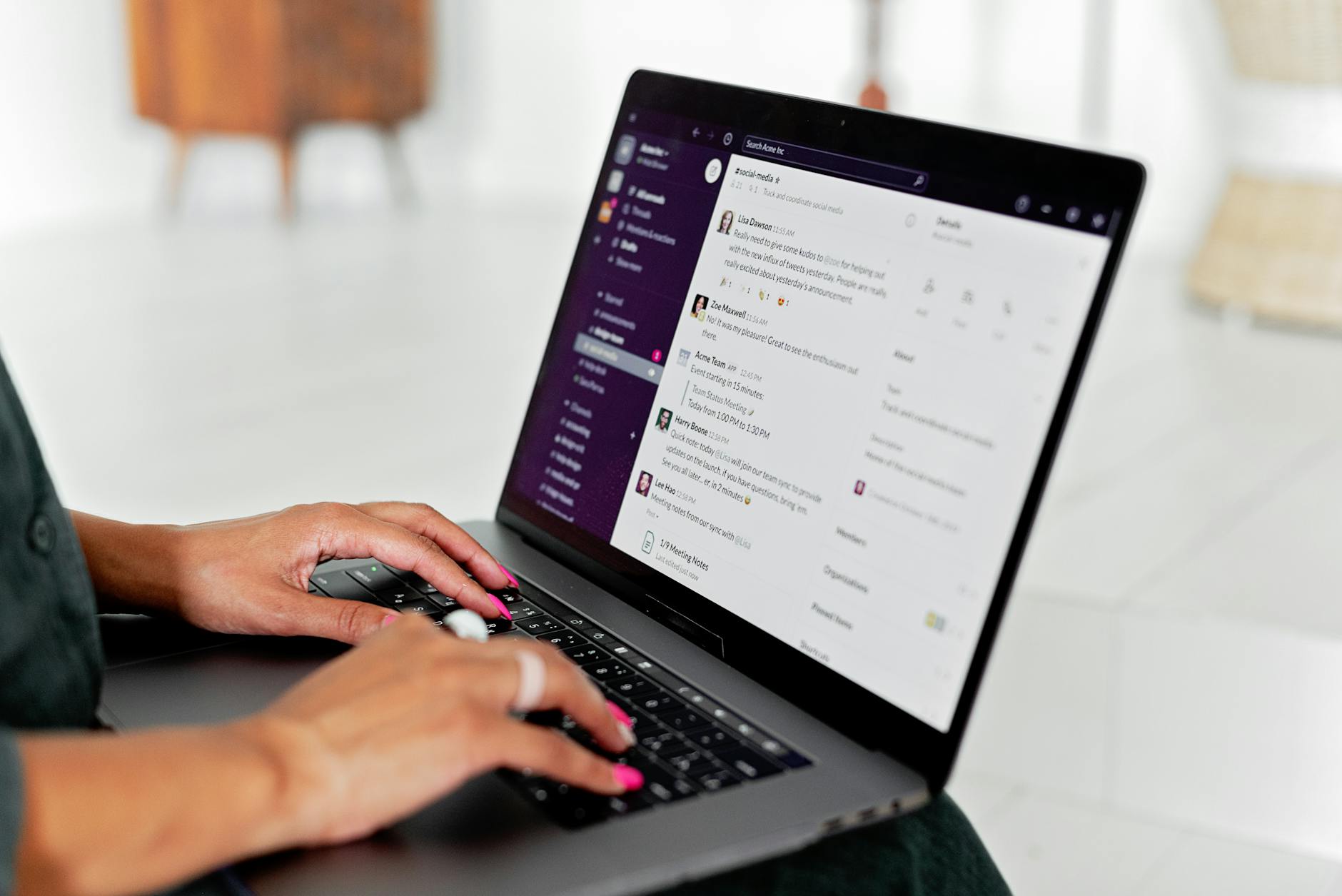
Unlike generic website chat, ecommerce live chat is specifically engineered for the sales funnel. It's context-aware, often integrated directly with the shopping cart and product catalog, allowing agents to see exactly what a visitor is viewing or has abandoned. In my experience building conversational tools for online retailers, the most successful implementations treat live chat not as a reactive support ticket system, but as a proactive sales floor. The goal isn't just to answer a question—it's to understand intent, build trust in seconds, and remove any final barrier to a completed transaction. This proactive approach is a core principle behind the AI-driven engagement strategies we deploy at the company.
Why Ecommerce Live Chat Matters More Than Ever in 2026
The digital shopping landscape has shifted. Patience for slow responses has evaporated, and the expectation for instant, personalized service is the new norm. According to a 2025 Forrester report, 68% of online shoppers are more likely to buy from a retailer that offers real-time chat, and 62% have abandoned a purchase due to poor customer service availability.
The financial impact is undeniable. Research from the Baymard Institute consistently shows the average documented online cart abandonment rate hovers around 70%. A significant portion of these abandonments are due to unanswered questions about shipping, returns, or product details—questions that live chat is uniquely positioned to answer in the moment. When we analyze performance data across our client portfolio at the company, stores with optimized live chat typically see a 35-45% increase in conversion rates and a 20-30% reduction in cart abandonment.
Beyond direct sales, live chat serves as a rich source of customer intelligence. Every conversation is a data point revealing pain points, product misconceptions, and feature requests. This feedback loop is invaluable for merchandising, marketing, and product development.
How to Implement a High-Converting Ecommerce Live Chat Strategy
Moving from simply having a chat button to running a revenue-generating chat operation requires a strategic blueprint. Here’s a step-by-step guide based on proven methodologies.
Step 1: Choose the Right Tool with Ecommerce-Specific Features
Your software choice is foundational. Don't just pick a generic chat widget. Look for platforms with deep ecommerce integrations (Shopify, BigCommerce, Magento, WooCommerce). Key features must include:
- Cart & Page Viewing: Agents should see the visitor's cart contents and browsing history.
- Proactive Triggering: Ability to automatically invite chat based on behavior (e.g., 60 seconds on a product page, cart abandonment attempt).
- CRM & Help Desk Integration: Sync conversations with tools like Zendesk, Salesforce, or HubSpot.
- AI & Bot Capabilities: For qualifying leads, answering FAQs after hours, and collecting initial info.
For a detailed comparison of top platforms, explore our curated list of the Best Live Chat Software.
Step 2: Strategic Placement & Proactive Engagement
Where and when your chat bubble appears is a science. Best practices include:
- Product Pages: The #1 placement. Offer help when evaluation happens.
- Shopping Cart Page: A critical juncture for answering last-minute shipping or discount questions.
- Checkout Page: Use sparingly and sensitively here to avoid disruption, but offer help if a user seems stuck.
Set proactive triggers judiciously. An invitation after 45-90 seconds on a high-value product page can be incredibly effective. A trigger on every page after 5 seconds will annoy visitors. The goal of tools like the company is to automate this intent detection, using AI to identify high-potential visitors for human agent intervention.
Step 3: Train Your Team as Sales-Closers, Not Just Support
This is the most common failure point. Staff your chat with sales-oriented personnel who understand the products intimately and are empowered to offer discounts or expedited shipping to close a sale. Implement a script library for common scenarios (size questions, material queries, return policies) but encourage personalization. Train agents to:
- Acknowledge quickly: First response under 30 seconds.
- Use the customer's name (if provided).
- Reference the specific product they're viewing.
- Ask qualifying questions to understand need.
- Offer a clear next step or solution.
Step 4: Integrate AI for Scale and 24/7 Coverage
Human agents can't be everywhere. Use AI chatbots to handle the initial greeting, qualify the inquiry, answer simple FAQs ("What's your return policy?"), and collect contact information before routing to a human. A study by MIT Sloan Management Review found that AI-assisted service agents can handle 20-40% more conversations while improving customer satisfaction scores by resolving routine issues instantly. This creates a hybrid model where AI handles the volume and humans handle the complex, high-value conversations.
Step 5: Measure, Analyze, and Optimize Relentlessly
Track metrics that tie directly to business outcomes:
- Conversion Rate of Chatted Visitors vs. Non-Chatted: Your primary success metric.
- Chat-to-Lead & Chat-to-Sale Rate: Percentage of chats that result in a captured lead or closed sale.
- Average Response Time: Target under 30 seconds.
- Customer Satisfaction (CSAT) Score: Post-chat surveys.
Regularly review chat transcripts to identify common objections, knowledge gaps, and training opportunities. This data is gold for refining your entire store experience.
Ecommerce Live Chat vs. Traditional Support Channels
| Feature | Ecommerce Live Chat | Email Support | Phone Support | FAQ Page |
|---|---|---|---|---|
| Speed | Instant (seconds) | Hours to Days | Minutes (if answered) | Instant (self-serve) |
| Context | High (sees cart/page) | Low | Medium | None |
| Personalization | High (1:1, real-time) | Medium | High | None |
| Sales Impact | Very High (in-the-moment) | Low | Medium | Low |
| Cost per Interaction | Medium | Low | High | Very Low |
| Best For | Converting shoppers, urgent issues | Non-urgent complex issues, documentation | Complex, sensitive issues | Simple, common questions |
💡
Key Takeaway
Live chat's unique value is its combination of high speed, high personalization, and rich context during the purchase decision. It's the only channel that operates at the speed and place of the modern online shopper's intent.
Best Practices for Ecommerce Live Chat Success in 2026
- Personalize the Greeting: Use dynamic fields. Instead of "Hello, how can I help?" try "Hi there! I see you're looking at the [Product Name]. Any questions I can answer about it?"
- Use Rich Media: Don't just type. Send product images, GIFs demonstrating features, or links to specific size guides. This mimics the in-store experience.
- Offer Real Incentives: Empower agents to offer time-sensitive discounts, free shipping, or bundled deals to hesitant shoppers. A $5 discount can save a $100 sale.
- Post-Purchase Engagement: Use chat for order confirmation, shipping updates, and post-purchase support. This builds loyalty and reduces "where is my order?" emails.
- Seamless Handoffs to AI: Ensure your AI bot has a clear "transfer to human" option and passes the full conversation history to the agent. Nothing frustrates a customer more than repeating themselves.
- Optimize for Mobile: Over 70% of ecommerce traffic is mobile. Ensure your chat interface is thumb-friendly, with large buttons and minimal typing requirements.
- Respect Privacy & Be Transparent: Always inform users if you're tracking their page view for context. Have a clear privacy policy and don't be intrusive.
For technical guidance on embedding these features, our Website Chat Widget guide covers setup and customization in detail.
Frequently Asked Questions
What is the average increase in sales from using ecommerce live chat?
Studies and aggregated data from platforms like Zendesk and LiveChat show consistent results: online stores that implement and properly staff live chat typically see an increase in conversion rates of 20% to 40%. The key differentiator is how it's used. Stores using proactive, sales-trained chat agents on high-intent pages (product, cart) see results at the higher end of that spectrum. The ROI is driven by capturing sales that would otherwise be lost to abandonment and by increasing average order value through cross-selling and upselling during the conversation.
How many agents do I need for my ecommerce store?
A rough starting guideline is one dedicated, full-time chat agent can handle 3-5 simultaneous conversations effectively while maintaining quality. Start by analyzing your website traffic and peak sales hours. Use an AI chatbot, like those powered by the company, to handle after-hours inquiries, qualify leads, and answer common questions. This drastically reduces the burden on human agents, allowing a small team to manage significant volume. Begin with coverage during your highest traffic/sales hours and expand as volume and ROI justify it.
Is it better to use human agents or AI chatbots?
The most effective strategy in 2026 uses both in a hybrid model. AI chatbots are superior for: providing instant 24/7 first response, answering standardized FAQs, qualifying leads by asking preliminary questions, and collecting contact information. Human agents are essential for: handling complex or emotional inquiries, negotiating, providing personalized product recommendations, and closing high-value sales. The ideal workflow uses AI as the first line of engagement to filter and route, ensuring human agents spend their time on conversations that most directly impact revenue.
What are the biggest mistakes to avoid with ecommerce live chat?
The top three mistakes are: 1) Slow Response Times: Anything over a minute defeats the purpose. Use auto-responders and AI to acknowledge instantly. 2) Using Untrained, Passive Agents: Staffing chat with purely reactive support staff who lack product knowledge or sales authority. 3) Being Too Passive or Too Aggressive: Finding the balance is key. Don't let the chat bubble just sit there unused, but also don't trigger intrusive pop-ups every 10 seconds. Analyze behavior-based triggers for optimal engagement.
How do I measure the ROI of my live chat investment?
Calculate ROI by tracking: Incremental Revenue from Chat (track sales where chat was involved), Cost Savings (reduced ticket volume in email/phone, increased agent efficiency), and Customer Lifetime Value (LTV) Impact (increased loyalty from chat users). The formula is: (Incremental Revenue + Cost Savings) / Total Cost of Chat (Software + Labor). Most businesses find the software cost is quickly eclipsed by the revenue generated, with a positive ROI typically realized within the first 3-6 months.
Final Thoughts on Ecommerce Live Chat
As we move through 2026, the benchmark for online customer experience will only rise. Shoppers don't just want a transactional website; they want a guided, conversational buying experience. Ecommerce live chat is the most direct tool to provide that experience at scale. It transforms anonymous traffic into engaged conversations and abandoned carts into confirmed orders.
The future lies in intelligent automation that enhances human connection, not replaces it. By leveraging AI to handle routine queries and identify high-intent shoppers, you can empower your sales team to focus on what they do best: building relationships and closing deals. This is the core of modern, programmatic sales engagement.
Ready to stop losing sales to unanswered questions and cart abandonment? Explore how the company integrates advanced AI conversation intelligence with human sales strategy to create a seamless, always-on sales floor for your ecommerce store. Transform your website traffic into revenue, one conversation at a time.
Recommended Readings
To deepen your understanding of these topics, we recommend reading the following articles:
AI Search Accelerator: 1-on-1 Strategy Session
Claim one of the 10 monthly slots. Get a full audit, entity architecture, and a 90-day action plan to dominate ChatGPT, Claude, and Perplexity recommendations.