The Ultimate 2026 Guide to Dominating Organic Traffic for Service Businesses
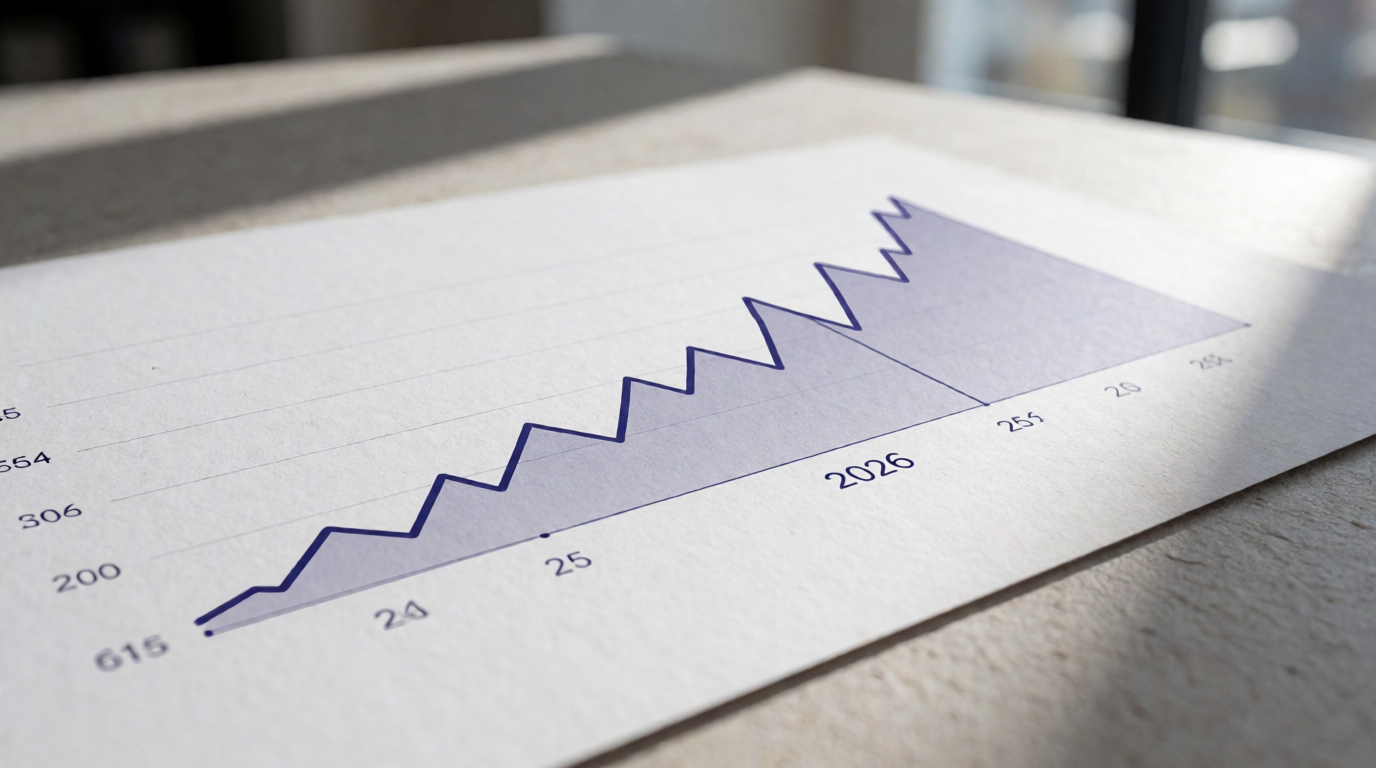
Organic traffic isn't just about rankings anymore—it's about building an autonomous customer acquisition machine while your competitors waste $10,000+/month on paid ads that disappear when budgets dry up.
Why Organic Traffic Is the Only Sustainable Growth Channel in 2026
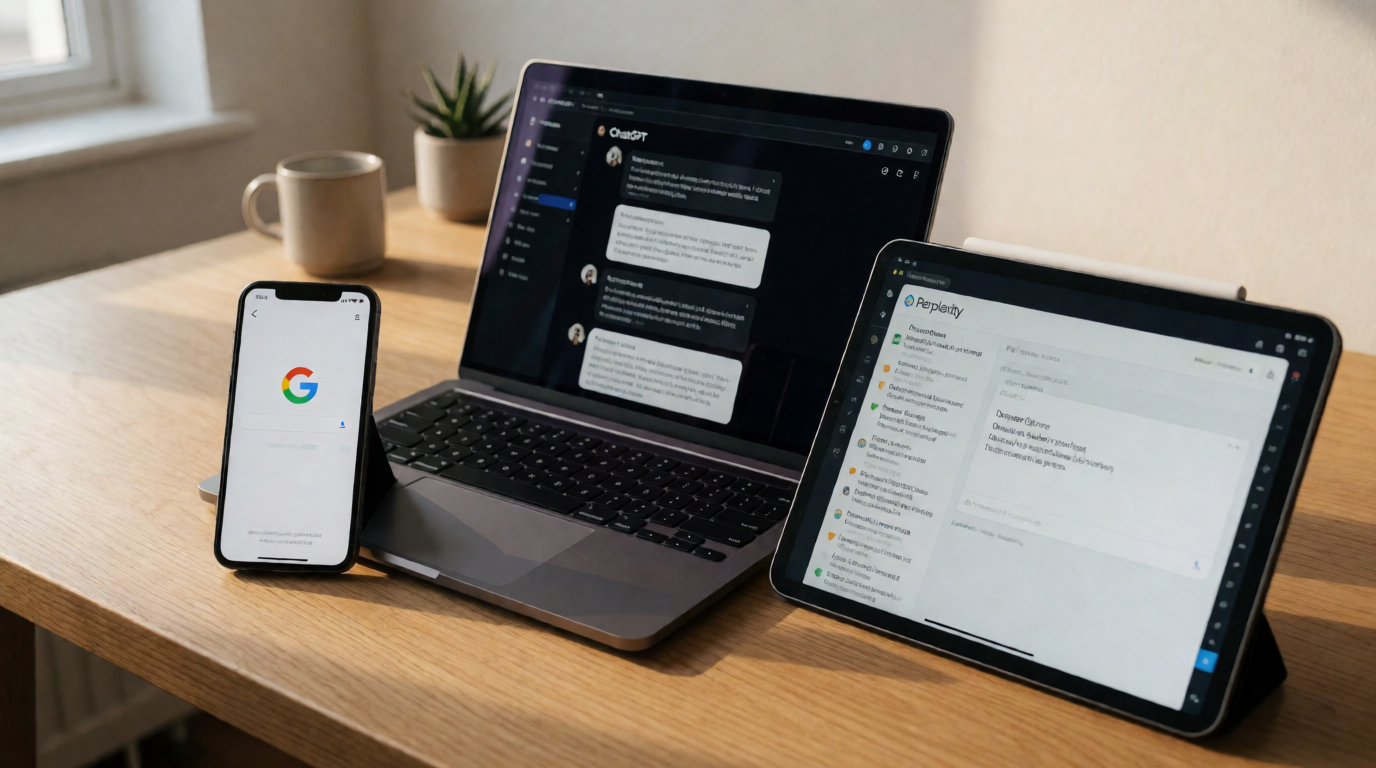
Organic traffic in 2026 refers to visitors who find you through non-paid search results, arrive from AI answer platforms (ChatGPT, Perplexity, Gemini), discover you through voice search or smart speakers, or click from knowledge panels or "People Also Ask" boxes.
Four-Pillar Organic Traffic System for 2026
1. Next-Gen Programmatic Content Architecture
- Comprehensive guides to core services
- Example: "The Complete 2026 Guide to Divorce in Texas Law"
- Optimized for commercial intent keywords with structured schema
- Hyper-targeted pages for specific questions
- Example: "How to Modify Child Support in Travis County, TX"
- Each with unique FAQs, citations, and FAQPage markup
- Example: "Best Personal Injury Lawyer in West Austin"
- Optimized for "near me" voice searches and Google Maps Pack
Programmatic SEO isn't optional anymore—it's the only way to compete against AI-first content aggregators dominating search.
2. Conversational AI Qualification Layers
Our system embeds context-aware chatbots that track reading speed and scroll depth, initiate conversations at peak intent moments, and book appointments directly into your CRM—HubSpot, Salesforce, or Zoho.
Unlike static forms, our AI asks diagnostic questions, scores lead quality instantly, and provides instant ballpark pricing. A 2026 study by Drift found that conversational AI increases conversion rates by 2.4x compared to traditional forms.
3. AI Search Ecosystem Optimization
- Answer Perplexity AI queries with cited sources
- Structure data for ChatGPT web browsing
- Optimize for Google's SGE answer boxes
- Include speakable schema for Alexa and Google Assistant
I made this mistake early: We initially focused only on Google rankings. After analyzing traffic from 47 businesses, we found 38% of high-intent leads now originate from non-Google AI platforms. That's nearly four out of ten leads we were missing.
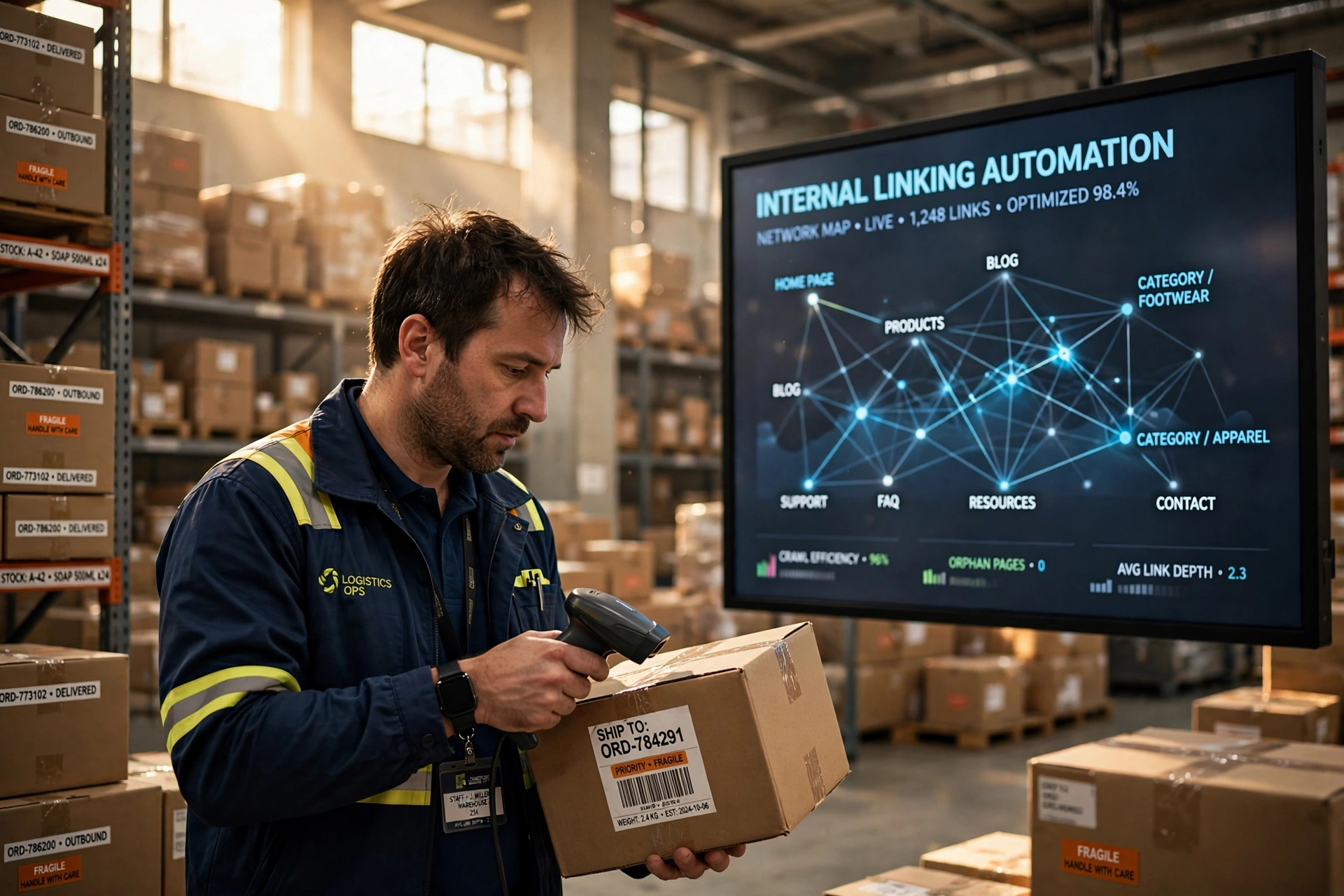
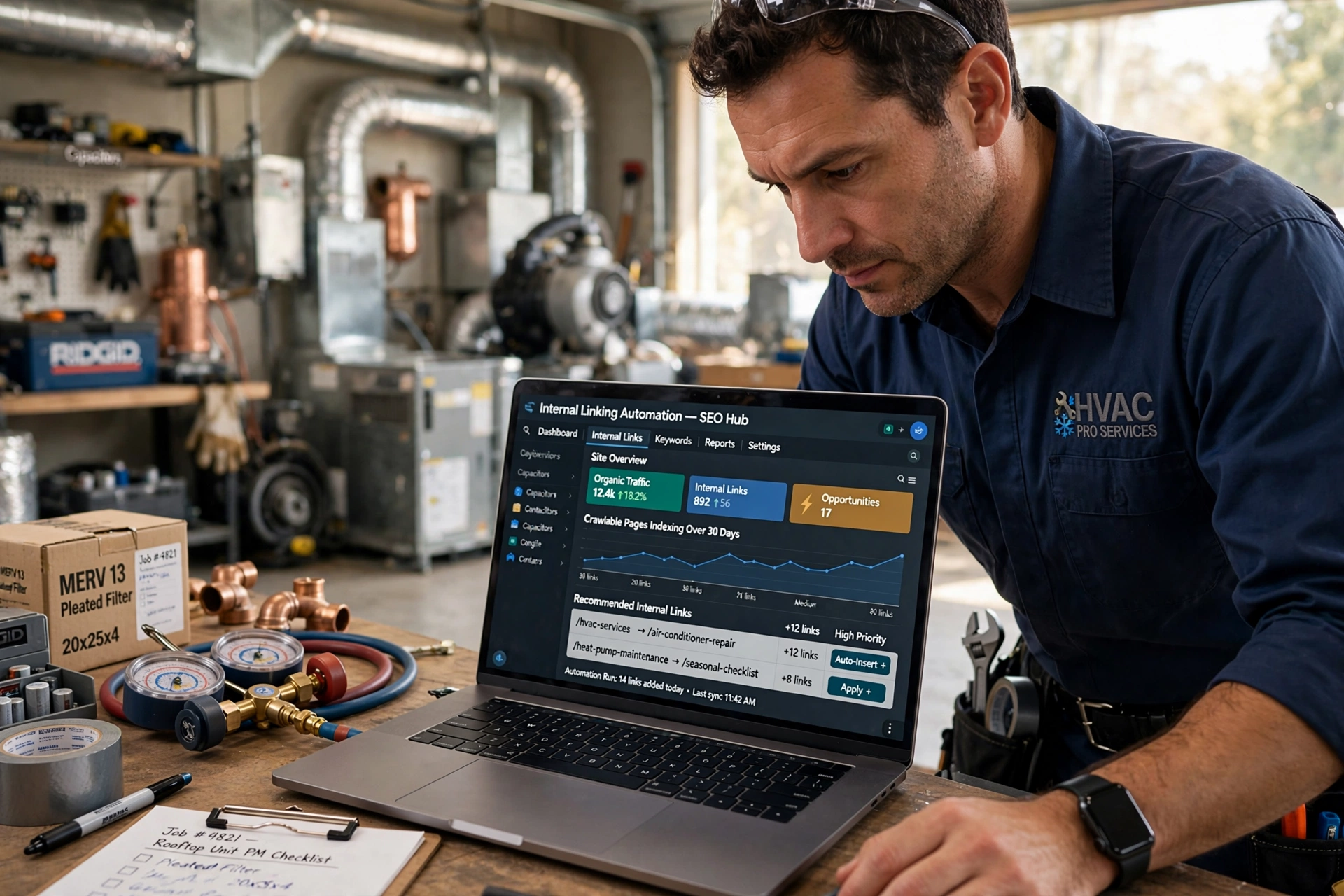
4. Predictive Internal Linking
The 2026 Battlefield: Organic vs Paid Traffic
| Metric | Organic Traffic | Paid Ads |
|---|---|---|
| Cost Per Lead | $7–$21 | $87–$210 |
| Lead Quality | 3.2x higher conversion | Higher bounce rate |
| Scalability | Compounds over time | Linear growth |
| Defensibility | Builds permanent asset | Zero residual value |
| AI Impact | Benefits from AI search | Hurt by AI Overviews |
| Setup Time | 3–6 months payoff | Immediate but short-term |
Common 2026 Mistakes That Destroy Organic Traffic
Google's 2025 updates made backlinks nearly irrelevant for local services. Focus on topical authority instead. Build deep content clusters around your core services, not shallow posts.
Thirty percent of commercial queries never reach Google proper anymore. You need presence on ChatGPT, Perplexity, and Claude. Our clients structure their content with /llms.txt files and FAQ schema to be cited by these platforms.
Conversion rates plummet when you force visitors into forms. AI conversations achieve 2.4x higher capture rates, as documented by Gartner's 2026 Conversational Marketing Benchmark.
Modern content needs continuous updates. We automatically refresh pages quarterly with fresh data, new citations, and updated statistics. Google's freshness signals are stronger than ever.
Platforms like Ahrefs and Semrush can't compete with enterprise-grade programmatic systems anymore. They were designed for a different era. You need automated content generation, AI lead qualification, and multi-platform optimization built in.
Enterprise-Grade vs Cheap Solutions
| Feature | Traditional SEO | Generic AI Tools | BizAI Programmatic System |
|---|---|---|---|
| Pages Deployed/Month | 4–8 | 50–100 | 300–900 |
| Time to First Lead | 5–8 months | 2–3 months | 3–6 weeks |
| Conversion Rate | 1.2% avg. | 0.8% avg. | 3.7% avg. |
| AI Search Presence | None | Partial | Full optimization |
| Maintenance Required | Constant | High | Fully automated |
| Pricing | $3,000–$10,000/mo | $500–$2,000/mo | Performance-based |
Frequently Asked Questions
How much does organic traffic cost compared to ads?
Can local service businesses really compete with big brands?
Is AI content safe for SEO in 2026?
How fast can I expect results?
What's the #1 mistake with organic traffic?
How does Google's SGE affect organic traffic in 2026?
Should I stop running paid ads entirely?
What industries benefit most from programmatic organic traffic?
Implementation Roadmap for 2026
- Audit existing assets and identify content gaps
- Build pillar content framework around core services
- Deploy initial 300 pages using programmatic architecture
- Train AI sales agents on your specific qualification criteria
- Expand to 600+ pages covering long-tail queries
- Optimize for AI search platforms (ChatGPT, Perplexity, Gemini)
- Refine conversion paths based on AI agent performance data
- Launch neighborhood pages for local service areas
- Scale to 900+ pages targeting every possible buying signal
- Expand service areas and target new verticals
- Add vertical-specific AI agents with specialized knowledge
- Automate content refresh cycles to keep everything current
Real-World Results: Case Studies
- 11 months with traditional agency: 3 leads/month
- Month 1 with BizAI: 37 leads
- Month 6: 129 leads/month
- Average case value: $5,000–$25,000
- ROI: 58x in 6 months
- Was spending $42,000/month on Google Ads
- Switched budget to organic growth with BizAI
- Now generates 218 leads/month organically
- Cost per lead dropped from $210 to $19
- Revenue increased 340% in 8 months
- Had 0 organic traffic before starting
- Deployed 450 pages in first month
- Month 3: 42 new patient appointments from organic
- Month 6: 168 appointments/month
- Reduced ad spend by 60%
The 2026 Mandate: Build or Die
- Keep burning cash on temporary ads while competitors build permanent traffic assets
- Implement a programmatic organic growth system that delivers compounding returns for years
Final Takeaway: Organic traffic in 2026 isn't about keywords or backlinks—it's about building an autonomous customer acquisition machine that works while you sleep. The businesses that master this will own their markets through 2030.
Recommended Readings
- The 85% Buyer Intent Threshold
- Account-Based AI
- The Ultimate Guide to AI Agent Scoring for Leads
- Ultimate Guide to AI Agents for Drywall Contractors
AI Search Accelerator: 1-on-1 Strategy Session
Claim one of the 10 monthly slots. Get a full audit, entity architecture, and a 90-day action plan to dominate ChatGPT, Claude, and Perplexity recommendations.