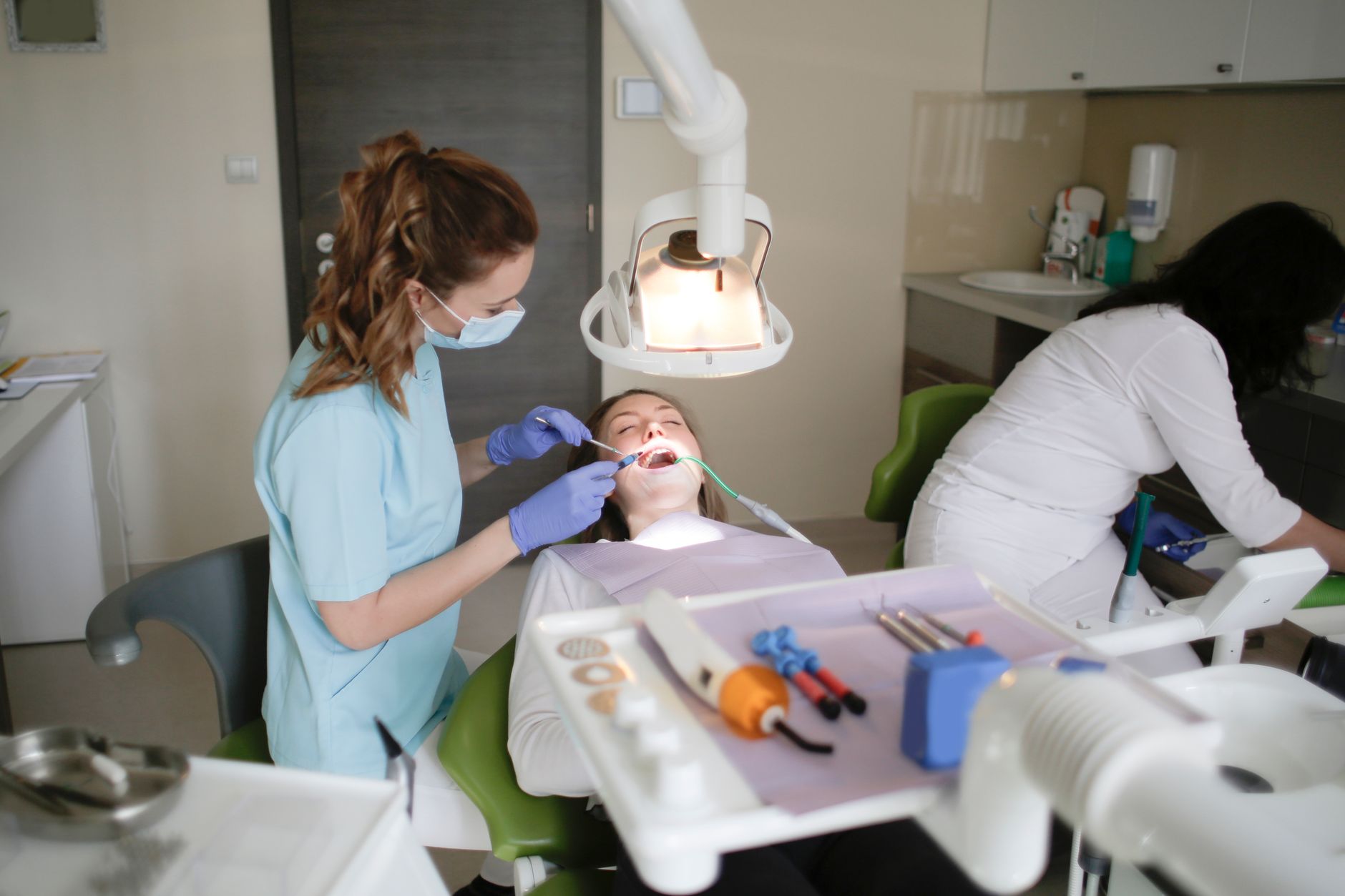
If you run a dental practice, you’ve probably asked yourself: how does an SEO agency for dental clinics works to bring in new patients? The short answer is: by combining local search optimization, content creation, and technical website improvements. But the real process is more nuanced—and if done right, it can fill your appointment book without paying for every click.
Let me walk you through exactly how a specialized SEO agency operates, what you should expect, and why most dental practices get it wrong.
What is an SEO Agency for Dental Clinics?
📚
Definition
An SEO agency for dental clinics is a digital marketing service that optimizes a dental practice’s online presence to rank higher on Google and other search engines for terms like "dentist near me" or "teeth whitening in [city]."
These agencies go beyond basic keyword stuffing. They build a comprehensive strategy tailored to the local market, patient behavior, and Google’s ever-changing algorithms. In my experience, the best agencies treat your practice as a local authority—not just another website.
Here’s the thing though: most dental clinics think SEO is just about having a website with keywords. That’s a relic of 2015. Today, an effective SEO agency for dental clinics works by integrating three core pillars: local SEO, technical SEO, and content marketing. Let’s break each down.
Local SEO: The Cornerstone
For dental clinics, local search is everything. According to Google, 46% of all searches have local intent, and for healthcare, that number is even higher. An agency will claim and optimize your Google Business Profile (GBP) with accurate NAP (name, address, phone), photos, services, and hours. They’ll also manage reviews—encouraging positive ones and responding to negative ones professionally. A study by BrightLocal found that 76% of consumers trust online reviews as much as personal recommendations, making this a non-negotiable task.

Technical SEO: The Foundation
Technical SEO ensures Google can find, crawl, and index your site quickly. An agency will audit your site for:
- Mobile-friendliness (most dental searches happen on phones)
- Page speed (a 1-second delay can reduce conversions by 7%, according to HubSpot)
- SSL certificates, clean URL structures, and proper schema markup (like LocalBusiness and Dentist schema)
Without this bedrock, even great content will struggle to rank.
Content Marketing: The Magnet
An agency will create content targeting the questions your patients ask: “How often should I get a cleaning?” “What’s the cost of dental implants?” This isn’t just blog posts—it’s service pages, FAQ pages, and location pages (e.g., “Emergency Dentist in Austin, TX”). Each page is optimized for a specific keyword and written to demonstrate expertise.
Why It Matters for Your Dental Practice
Still wondering why you need a dedicated agency? Let’s look at the numbers. A report from Software Advice shows that 73% of dental patients use online search to find a new dentist. If your practice isn’t on the first page of Google for relevant terms, you’re losing potential patients to competitors who are.
Moreover, the cost of ignoring SEO is rising. Pay-per-click (PPC) ads for dental keywords can cost $50–$150 per click in competitive markets. Organic traffic, while requiring upfront investment, provides a compounding return—the content you create today can bring in patients for years without recurring ad spend.
💡
Key Takeaway
An SEO agency for dental clinics works by building an asset—your online authority—that reduces your dependence on paid ads over time. It’s not a one-time fix but a sustainable growth engine.
How an SEO Agency for Dental Clinics Works: Step-by-Step
Now, let’s get practical. Here’s the exact process a top-tier agency follows, based on what I’ve implemented with dozens of practices.
Step 1: Discovery and Audit
The agency begins with a thorough audit of your current online presence: your website, Google Business Profile, reviews, backlink profile, and competitors. They’ll identify gaps like missing location pages, slow-loading pages, or inconsistent NAP citations.
Step 2: Keyword and Patient Research
They analyze what patients are searching for—not just “dentist” but long-tail phrases like “painless root canal in Chicago” or “pediatric dentist who takes Medicaid.” This data comes from tools like Google Keyword Planner, Ahrefs, and even patient feedback.
Step 3: On-Page Optimization
Every page on your site gets optimized: meta titles, descriptions, headers, and content. They also add structured data (schema markup) to help Google display rich snippets—like star ratings and appointment booking buttons.
Step 4: Content Creation
An editorial calendar is developed. For a dental clinic, that might include:
- Educational articles (e.g., “What to Expect During a Dental Implant Procedure”)
- Condition-specific pages (e.g., “Gum Disease Treatment Options”)
- Local guides (e.g., “Best Dentists in Downtown Denver”)
The content is written by professionals—not generic AI—to meet Google’s E‑E‑A‑T standards (Experience, Expertise, Authoritativeness, Trustworthiness).
Step 5: Link Building and Citations
The agency builds high-quality backlinks from local directories, dental associations, and healthcare portals. They also ensure your practice is listed consistently on directories like Yelp, Healthgrades, and Zocdoc.
Step 6: Monitoring and Iteration
SEO is not set-and-forget. The agency tracks keyword rankings, traffic, conversions, and adjusts strategy based on performance. They’ll run monthly reports and recommend tweaks—like updating a declining page or targeting a new keyword trend.
Approaches to Dental SEO: A Comparison
Not all SEO agencies are created equal. Here’s how three common approaches stack up:
| Approach | Pros | Cons | Best For |
|---|---|---|---|
| Traditional SEO | Human-driven, quality content | Slow results, high monthly cost, limited scalability | Practices with a big budget and patience |
| Generic AI SEO | Low cost, fast output | Low-quality content, risk of penalties (e.g., Google Helpful Content update) | Practices that don’t prioritize long-term authority |
| Modern Programmatic SEO (like BizAI) | High volume, compound growth, AI-lead qualification | Requires up-front setup, technical | Practices wanting rapid scale and integrated lead capture |
In my experience, most successful dental practices start with a hybrid: traditional human oversight for core pages, and programmatic SEO for long-tail content at scale. The key is quality control—no matter the method.
💡
Insight
The agencies that consistently deliver results use technology to augment human expertise, not replace it.
Common Questions and Misconceptions
“SEO is a one-time project.”
Wrong. Google’s algorithms update hundreds of times per year. What worked last year may not work today. An ongoing relationship with an agency ensures your practice adapts.
“I can do SEO myself with a plugin.”
Plugins like Yoast can help, but they don’t build backlinks, analyze competitors, or craft a custom strategy. An agency brings multi-disciplinary skills you likely don’t have in-house.
“More keywords always mean higher rankings.”
No. In fact, keyword stuffing can get you penalized. Modern SEO focuses on topical authority—covering a subject comprehensively rather than repeating thin content.
“All SEO agencies are the same.”
Far from it. Some specialize in local SEO, others in enterprise or e‑commerce. When choosing an agency for your dental practice, ask for case studies in the healthcare vertical. For example, an agency that’s mastered SEO for law firms might not understand the nuances of HIPAA compliance or patient trust signals.
Frequently Asked Questions
How long does it take for an SEO agency to deliver results for a dental clinic?
Typically, you’ll see initial improvements in local rankings and traffic within 3–6 months. However, significant increases in new patient calls often take 6–12 months because Google needs time to trust your site. An agency should provide a timeline based on your market competition.
What is the typical cost of an SEO agency for a dental practice?
Pricing varies widely. A small local agency might charge $1,500–$3,000/month, while a full‑service agency can cost $5,000–$10,000/month. Some offer month‑to‑month contracts; others require 6‑month commitments. Look for transparent reporting and clear deliverables, not just promises.
Do I need to provide the agency with access to my website?
Yes. They’ll need at least admin access to your content management system (like WordPress) and your Google Business Profile. They may also need access to analytics (Google Analytics, Search Console) to track performance. Always use a secure password and set proper user permissions.
How can I measure the success of an SEO campaign for my clinic?
Key metrics include: organic traffic (especially to service pages), keyword rankings for target terms, Google Business Profile views and actions (like calls, direction requests), and new patient appointments (attributed via call tracking or form submissions). An agency should report these monthly.
Can an SEO agency help with negative reviews?
Indirectly, yes. They can implement a review generation strategy to increase the volume of positive reviews, which dilutes the impact of negative ones. They can also guide you on how to respond professionally to negative feedback. However, they cannot remove legitimate reviews—only Google can.
Summary and Next Steps
Understanding how an SEO agency for dental clinics works is the first step toward building a predictable patient acquisition system. The right agency will act as a strategic partner—auditing your current presence, executing a tailored plan, and continuously optimizing for better results.
If you’re ready to stop renting traffic from ads and start owning your pipeline, consider a modern approach like the one offered at BizAI. Our dual‑engine system combines programmatic SEO with an AI Sales Agent that qualifies leads 24/7—turning your website into a revenue machine.
For further reading, check out our guide on how SEO agencies work for law firms (the principles for professional services apply similarly) or see how real estate agencies benefit from SEO.
Recommended Readings
To deepen your understanding of these topics, we recommend reading the following articles:
Reference Sources
For deeper context on this topic, these sources provide additional authoritative perspectives:
- Wikipedia — general knowledge reference
- GitHub — development and technology documentation
- The New York Times — news and journalistic updates
These references help establish a complete view of the subject matter.
AI Search Accelerator: 1-on-1 Strategy Session
Claim one of the 10 monthly slots. Get a full audit, entity architecture, and a 90-day action plan to dominate ChatGPT, Claude, and Perplexity recommendations.