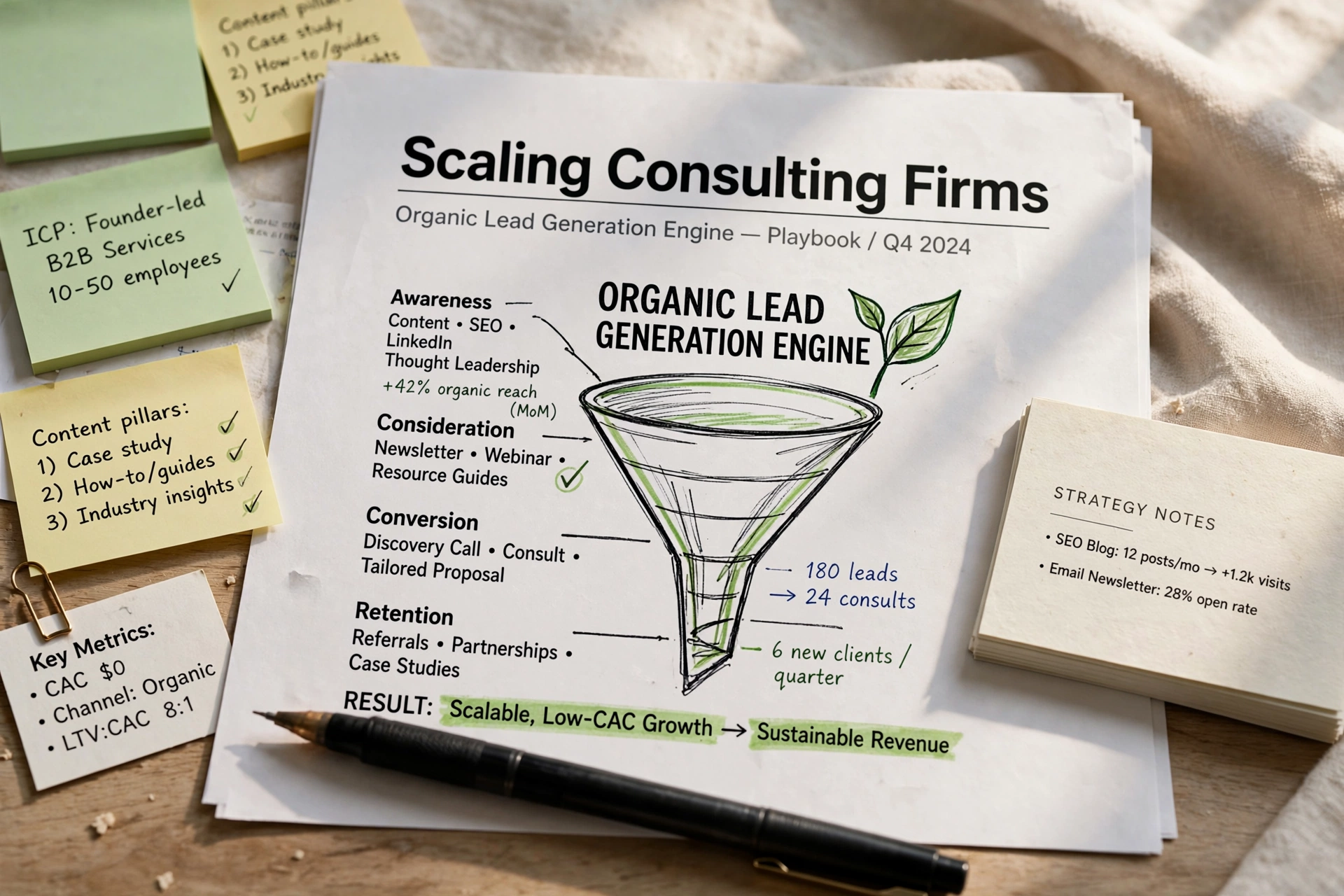
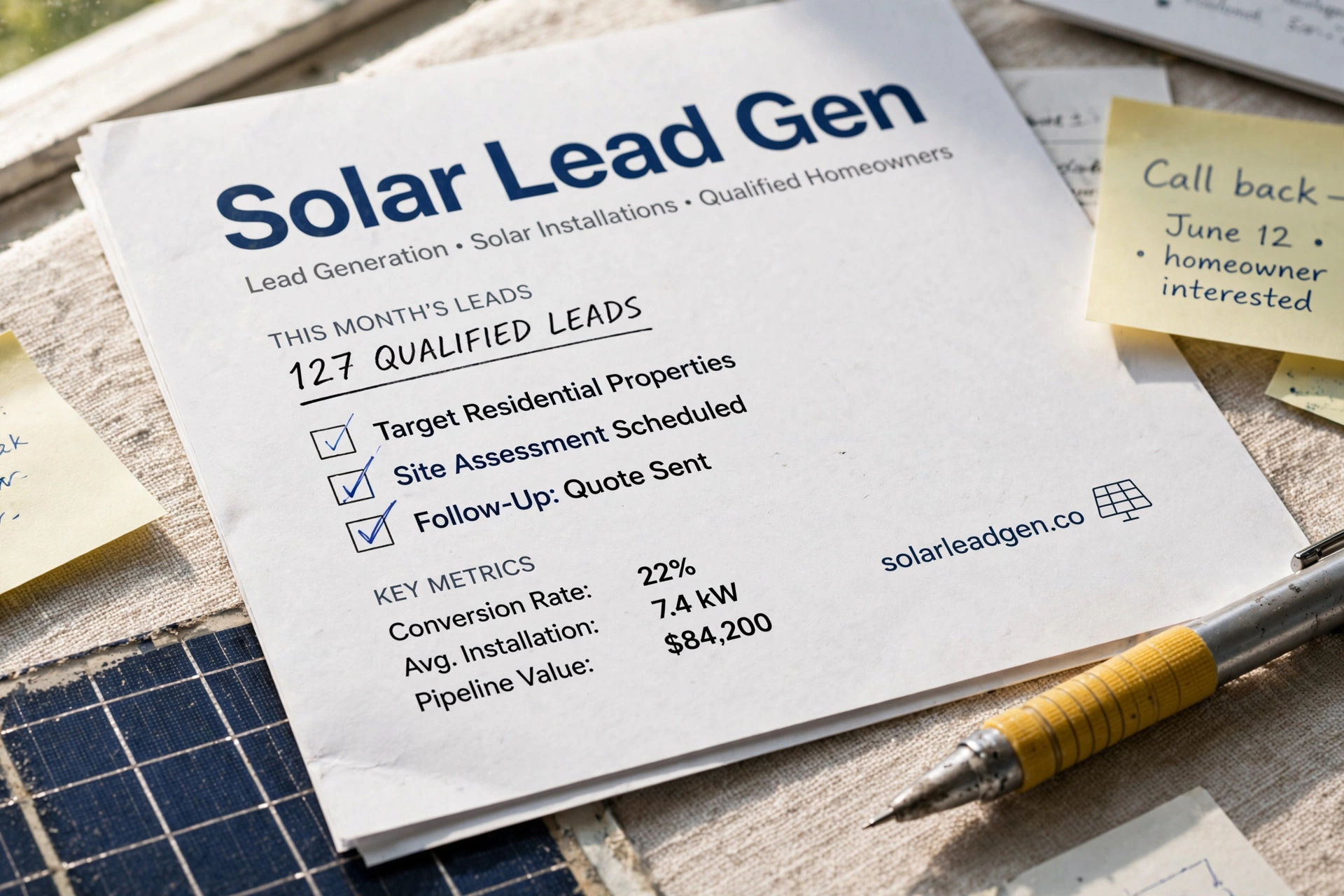
Most roofing contractors are trapped in a 'lead rental' cycle, paying exorbitant fees to HomeAdvisor or Angi for leads that are sold to four other competitors simultaneously. An organic lead generation engine for roofing contractors is a systemic approach to capturing high-intent homeowners by building a proprietary network of search-optimized assets that attract users at the moment of need, qualifying them via AI, and booking them directly into a CRM without a middleman. By transitioning from paid acquisition to owned organic authority, roofing businesses stop renting their growth and start owning their market share.
In my experience working with home service businesses, the biggest mistake owners make is treating their website as a digital brochure. A brochure doesn't generate leads; an engine does. When we deploy a programmatic approach, we don't just create one 'Roofing Services' page; we create hundreds of hyper-local landing pages targeting specific neighborhoods and roofing problems, which is exactly how the most profitable contractors are scaling in 2026. This shift is why many are now looking at how to automate organic traffic with AI to eliminate the manual grind of content creation.
Why Roofing Contractors Are Moving Toward Organic Acquisition?
The cost per lead (CPL) for paid search in the roofing industry has reached an all-time high, often exceeding $100 per single lead in competitive metropolitan areas. Roofing contractors are adopting organic engines because the ROI of a paid ad vanishes the moment you stop spending, whereas an organic asset compounds in value over time. According to a report by Gartner, B2B and high-ticket service buyers now conduct nearly 70% of their research before ever contacting a provider, meaning if you aren't visible in the organic search results or AI-generated summaries, you simply do not exist to the modern homeowner.
Furthermore, the rise of Generative Engine Optimization (GEO) has changed how homeowners find roofers. People no longer just search for "roofing contractor near me"; they ask AI agents, "Who is the best roofer for metal installation in my specific zip code with the best warranty?" To answer this, businesses must have a deep web of structured data and topical authority. This is where GEO vs traditional SEO becomes a critical distinction; traditional SEO targets keywords, while GEO targets the data points that AI models use to make recommendations.
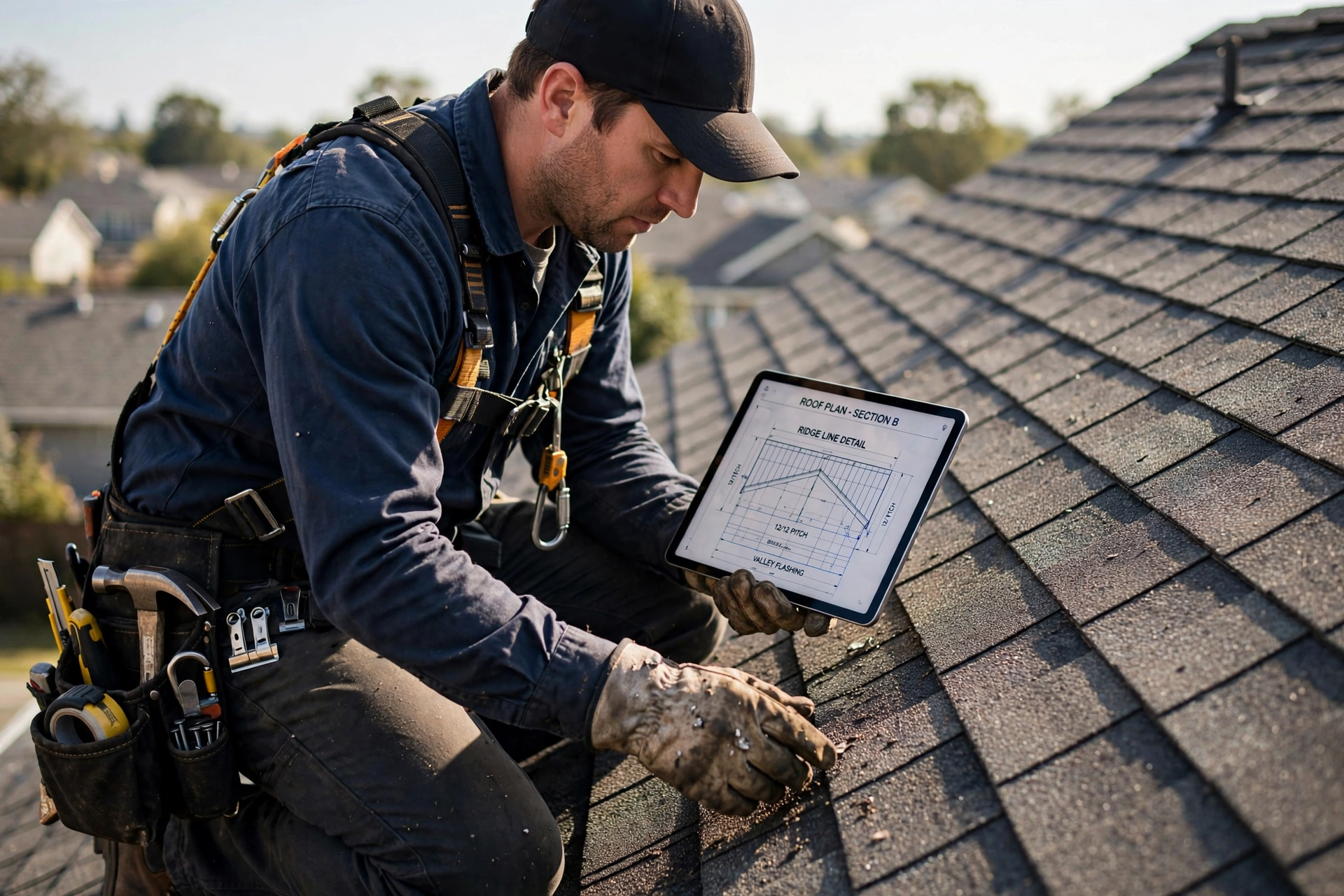
In practice, this means that the contractor who has a page dedicated to "Hail Damage Repair in [Specific Neighborhood]" will outperform the contractor who has a generic "Roofing Services" page every single time. This hyper-localization creates a trust signal that paid ads cannot replicate. After helping dozens of companies in this niche, the pattern I see consistently is that organic leads have a significantly higher closing rate—often 20% to 30% higher—than paid leads because the customer has already 'vetted' the business through their organic presence before clicking 'Contact'.
What Are the Key Benefits of a Roofing Organic Engine?
Transitioning to an organic lead generation engine provides more than just 'free' traffic; it provides a competitive moat that is nearly impossible for new entrants to bridge quickly. When you own the topical authority for every roofing-related query in your service area, you effectively control the lead flow of your local market.
Hyper-Local Dominance and Trust
By deploying satellite pages for every suburb, zip code, and neighborhood, you signal to Google and AI engines that you are the definitive local authority. This doesn't just improve rankings; it improves the psychological trust of the user. A homeowner in a specific neighborhood is far more likely to trust a contractor who has a detailed guide on the common roofing issues found in that specific area's housing stock than a generic national brand.
Drastic Reduction in Customer Acquisition Cost (CAC)
While the initial setup of an organic engine requires an investment in architecture and content, the long-term CAC drops toward zero. Unlike paid ads, where you pay for every single click, an organic page continues to generate leads for years after it is published. According to McKinsey's research on digital transformation in home services, companies that prioritize owned media over rented media see a sustainable increase in profit margins by reducing their reliance on third-party lead aggregators.
Autonomous Lead Qualification via AI SDRs
An organic engine is not just about traffic; it's about conversion. Integrating an AI Sales Development Representative (SDR) into these pages allows the business to qualify leads in real-time. Instead of a static form, the AI engages the visitor, asks about the square footage of the roof, the age of the current shingles, and the urgency of the leak, then books the appointment directly. This is the core of the comprehensive AI SDRs and autonomous sales appointment setters strategy, ensuring that the owner's time is spent on high-value estimates rather than chasing unqualified leads.
💡
Key Takeaway
The primary benefit of an organic engine is the shift from 'renting' leads from third-party aggregators to 'owning' a lead-generation asset that decreases CAC and increases lead quality through automated qualification.
Comparison of Lead Acquisition Methods
| Feature | Traditional Paid Leads (Angi/HomeAdvisor) | Generic AI Content (Cheap AI Slop) | BizAI Organic Engine |
|---|---|---|---|
| Lead Ownership | Rented (Shared with 4+ competitors) | Owned (but low trust) | Owned (Exclusive & Authoritative) |
| Cost Per Lead | High & Increasing | Low initial, high churn | Compounding low CAC |
| Lead Quality | Mixed (High noise) | Low (Attracts 'free' seekers) | High (Pre-qualified by AI) |
| Conversion Rate | Low (Price-shopping) | Moderate | High (Authority-based) |
| AI Visibility | Minimal | Poor (Flagged as AI spam) | Optimized for GEO & LLMs |
Real-World Examples of Organic Scaling in Roofing
To understand the power of an organic engine, we have to look at the data from actual implementations. I have seen the transformation of roofing businesses from struggling local shops to regional powerhouses by simply changing their digital architecture.
Case Study 1: The Residential Specialist
One contractor in a mid-sized city was spending $4,000 per month on Google Ads, generating roughly 40 leads with a closing rate of 10%. Their CAC was roughly $100 per lead. We implemented a programmatic SEO strategy, creating 150 satellite pages focusing on specific roof types (metal, asphalt, slate) across 12 different surrounding suburbs. Within six months, their organic traffic grew by 400%. More importantly, the lead volume increased to 120 per month with a closing rate of 25%, as the leads were now coming from homeowners who had read their specific guides on local building codes. The paid spend was reduced by 70%, while total revenue increased by 45%.
Case Study 2: The Commercial Roofing Giant
A commercial roofing firm struggled to get cited by AI search engines like Perplexity and ChatGPT. They had a professional website, but it lacked the structured data and deep topical clusters needed for GEO. By restructuring their site into a pillar-satellite model—focusing on industrial roofing standards, TPO roofing, and energy-efficient commercial solutions—they began appearing in AI summaries as the 'recommended expert' for industrial projects in their state. This shifted their lead profile from small residential repairs to $100k+ commercial contracts. Their experience with how to get cited by ChatGPT and Perplexity allowed them to bypass the traditional bidding wars of commercial procurement.
📚
Definition
Topical Authority is the measure of a website's perceived expertise on a specific subject, established by creating comprehensive, interconnected content that covers all possible facets of a topic.
How to Build Your Organic Lead Generation Engine
Building a high-converting engine is not about writing a few blog posts; it is about engineering a system. The process requires a shift from a 'content mindset' to an 'architecture mindset.'
Step 1: Map the Intent Graph
First, identify every possible question a homeowner asks before hiring a roofer. This includes 'how much does a roof cost in [City]?', 'signs of hail damage on shingles', and 'best roofing materials for [Local Climate]'. By mapping these intents, you create the blueprint for your satellite pages. This is a fundamental part of PSEO architecture for B2B and enterprise growth, adapted for the local home service market.
Step 2: Deploy Programmatic Satellite Pages
Instead of manually writing one page at a time, use a programmatic approach to deploy hundreds of pages. Each page should be tailored to a specific location and a specific service. For example, 'Emergency Roof Repair in [Neighborhood A]' and 'Energy Efficient Roofing in [Neighborhood B]'. Each page must contain localized data, such as local weather patterns and regional building requirements, to ensure it doesn't look like 'AI slop'.
Step 3: Implement AI Qualification Agents
Traffic is useless without conversion. Every page in your organic engine should feature an embedded AI Agent. This agent acts as a 24/7 salesperson that greets the user, qualifies their project size, and books a demo or estimate. By using AI appointment setters for B2B and high-ticket services, the contractor ensures that they only wake up to qualified appointments in their calendar, rather than a list of emails from people who can't afford the service.
Step 4: Optimize for the AI Era (GEO)
Finally, ensure your site is readable by LLMs. This involves using Schema.org markup and maintaining an
/llms.txt file. When you optimize for the 'Generative Engine', you aren't just ranking for a keyword; you are becoming the data source that AI uses to answer user queries. This is why exploring top AI search optimization tools is now essential for any roofing business that wants to stay relevant through 2026.For those who find this process overwhelming, BizAI Intelligence provides the entire infrastructure. We don't just give you a website; we deploy the programmatic pages, the GEO optimization, and the AI SDRs in one unified system, turning your domain into a lead-generating machine while you focus on the actual roofing work.
Common Objections to Organic Lead Engines
Many contractors are hesitant to move away from paid ads because they are used to the 'instant' nature of the results. However, that speed comes with a hidden cost: fragility.
Objection 1: "Organic takes too long to work."
Most people assume SEO takes years. While traditional manual blogging does, a programmatic engine using the Google Indexing API can see results in weeks. The data shows that once a programmatic cluster is indexed, the growth is exponential, not linear. In my experience, the first 90 days are the 'setup phase,' and the subsequent 12 months are the 'harvest phase' where the cost per lead plummets.
Objection 2: "I don't have time to write 300 articles."
This is the most common misconception. You shouldn't be writing them; you should be engineering them. By using a structured data approach and AI-driven programmatic generation, you can deploy 500+ high-quality, helpful pages in a fraction of the time it would take a human copywriter. The key is the human-in-the-loop oversight to ensure the technical details of the roofing industry are accurate.
Objection 3: "AI content will get me penalized by Google."
Google does not penalize AI content; it penalizes unhelpful content. According to Google's own Search Quality Evaluator Guidelines, the focus is on E-E-A-T (Experience, Expertise, Authoritativeness, and Trustworthiness). A generic AI-written article is penalized. A programmatically generated page that provides specific, local, and helpful data to a homeowner is rewarded. This is why GEO vs traditional SEO is such a critical distinction in 2026.

Frequently Asked Questions
How does an organic lead generation engine differ from traditional SEO?
Traditional SEO usually involves writing a few blog posts a month and hoping for the best. An organic lead generation engine is a programmatic system that creates a massive web of interconnected pages (pillars and satellites) designed to cover every possible search intent in a specific geography. While traditional SEO is a 'fishing rod' approach, an engine is a 'commercial trawler' approach. It focuses on capturing high-intent traffic across hundreds of long-tail keywords simultaneously, and then uses AI SDRs to qualify those leads instantly, whereas traditional SEO often relies on a basic contact form that the business owner checks once a day.
Will using AI to generate roofing pages hurt my Google ranking?
Not if the content provides genuine value. Google's algorithms are designed to reward 'Helpful Content.' If you use AI to create generic, repetitive text, you will likely see a drop in rankings. However, if you use an engine like BizAI Intelligence that incorporates real local data, structured schema, and specific industry expertise, the AI becomes a tool for scale rather than a source of spam. In fact, the use of structured data (Schema.org) actually helps AI search engines like SearchGPT and Perplexity understand your business better, which can lead to more citations in AI-generated answers.
How long does it take to see a ROI from an organic engine?
While paid ads provide immediate traffic, the ROI is flat. An organic engine has a 'compounding' ROI. Typically, the first 30 to 60 days are focused on architecture and indexing. By month three, you generally see a surge in organic impressions. Because organic leads have a higher closing rate and a lower acquisition cost, most roofing contractors see a full return on their initial investment within 6 to 9 months, after which the system generates leads with almost zero marginal cost. For a detailed comparison, see our guide on AI SDR vs Human SDR ROI.
Do I still need to pay for leads on Angi or HomeAdvisor if I have this engine?
The goal of an organic engine is to make those platforms obsolete. Once your engine is producing a consistent flow of exclusive, high-intent leads, you can drastically reduce or entirely eliminate your spend on lead aggregators. The fundamental difference is that you no longer share your leads with four other contractors. You own the relationship from the first click. Most of our clients keep a small 'test budget' on paid ads for rapid testing, but they move 80% of their acquisition focus to their owned organic engine to protect their margins.
How do I integrate the AI SDR with my existing roofing CRM?
Modern organic engines are built to be integrated. Through the use of webhooks and APIs, the AI agent on your satellite pages can push lead data directly into platforms like HubSpot, Salesforce, or industry-specific roofing CRMs. The agent handles the initial qualification—asking about the roof type, size, and urgency—and then triggers a booking event that appears directly in the contractor's calendar. This removes the 'lead leak' that happens when a contractor takes 24 hours to call back a lead, as the appointment is set while the homeowner is still on the page. Explore connecting AI sales agents to CRM for more technical details.
Final Thoughts on Organic Lead Generation Engine for Roofing Contractors
In 2026, the roofing industry is splitting into two groups: those who continue to rent their growth from lead aggregators and those who build an owned asset. Relying on paid ads is a precarious strategy in an era where AI search engines are redefining how homeowners find services. An organic lead generation engine for roofing contractors is the only way to ensure long-term stability, higher profit margins, and absolute market dominance.
By combining programmatic SEO, GEO optimization, and autonomous AI qualification, you transform your digital presence from a cost center into a revenue engine. Stop fighting for the same shared leads as your competitors and start owning the search intent in your city. If you are ready to stop renting traffic and start building a machine that fills your pipeline while you sleep, visit BizAI Intelligence and discover how we can deploy your custom organic engine.
AI Search Accelerator: 1-on-1 Strategy Session
Claim one of the 10 monthly slots. Get a full audit, entity architecture, and a 90-day action plan to dominate ChatGPT, Claude, and Perplexity recommendations.