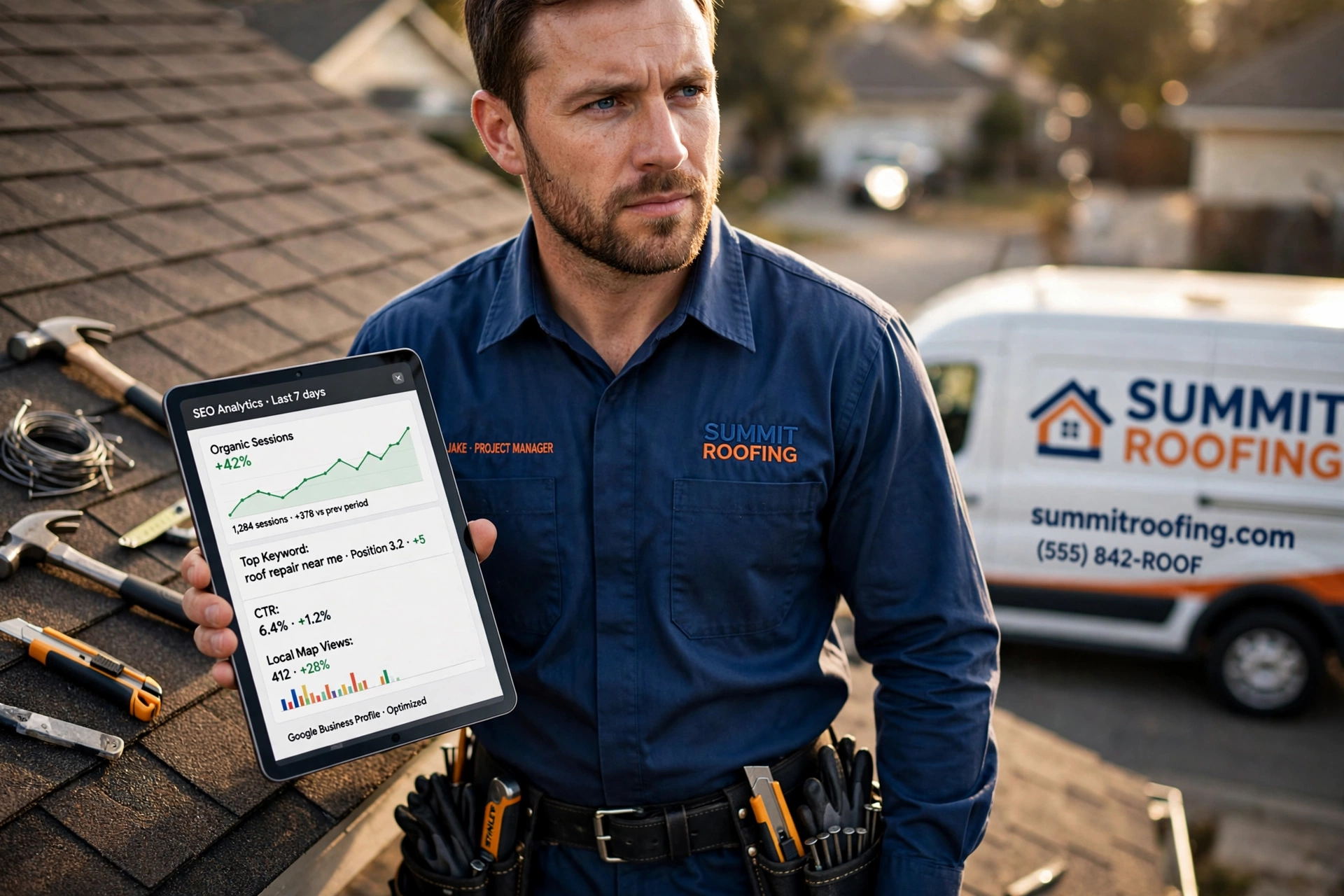
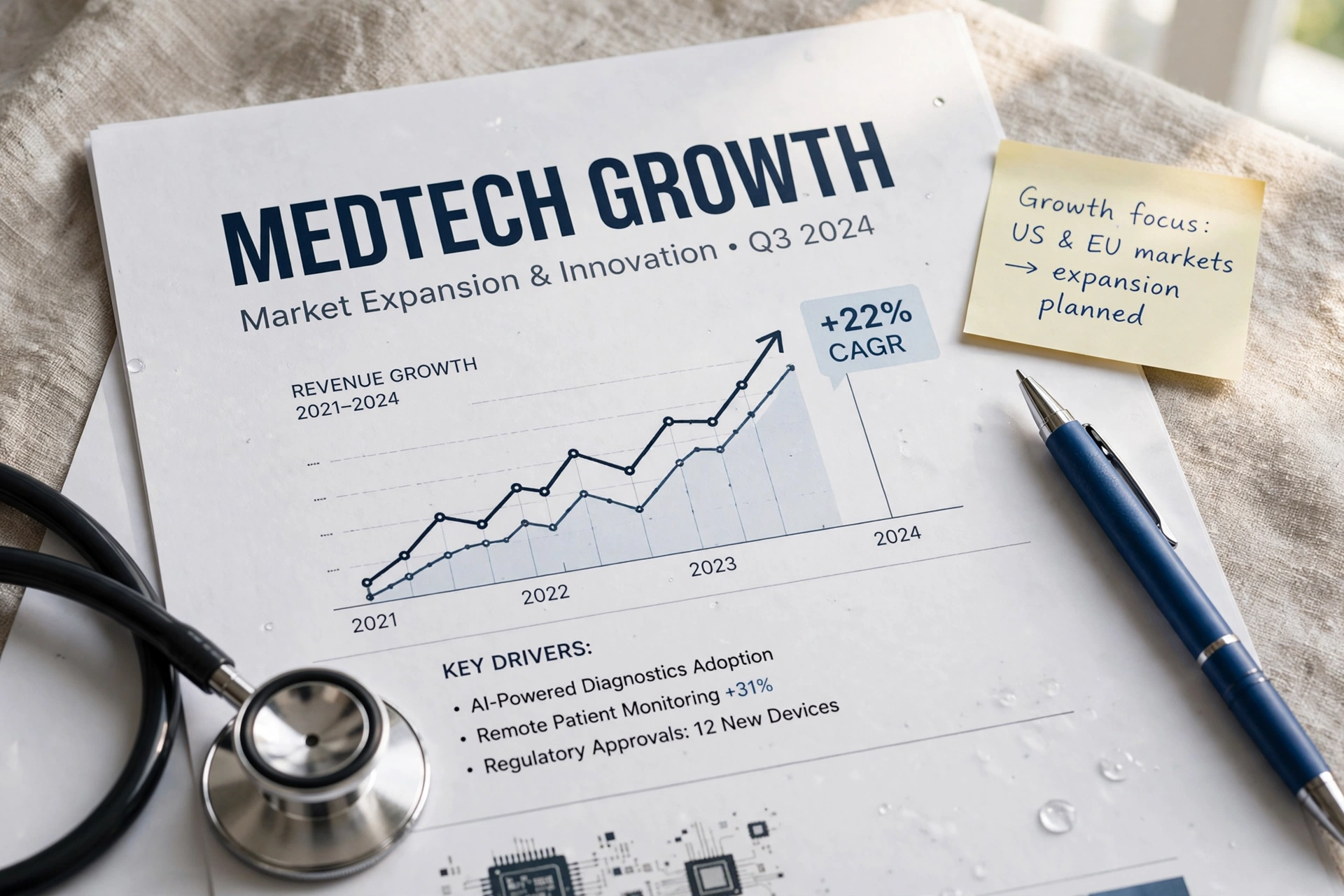
Plumbing owners often find themselves trapped in a feast-or-famine cycle, relying on residential emergency calls or a handful of legacy commercial contracts. To break this cycle, a b2b inbound acquisition engine for plumbing businesses is a systematic framework of programmatic SEO, high-intent content clusters, and AI-driven qualification that transforms a website from a digital brochure into a 24/7 lead generation machine. Instead of chasing property managers via cold calls, this engine forces high-ticket commercial clients—such as hospitals, hotel chains, and industrial plants—to find, trust, and book your services autonomously.
In my experience working with plumbing and HVAC contractors, the biggest mistake they make is treating their commercial presence like a residential one. A residential customer wants a quick fix for a leak; a commercial B2B client wants a reliable partner who can handle 50-unit complexes and provide documented compliance. To capture this, you need more than a "Services" page; you need a massive deployment of topical authority that signals to Google and AI search engines that you are the dominant expert in your region.
Many firms are now pivoting toward how to automate organic traffic and lead capture with AI to reduce the cost of customer acquisition. By automating the top and middle of the funnel, plumbing businesses can stop paying exorbitant premiums for "Plumber near me" PPC ads that mostly attract low-margin residential leads.
Why Plumbing Businesses Are Adopting B2B Inbound Engines in 2026?
The shift toward automated B2B acquisition is driven by the professionalization of procurement in the commercial sector. Property managers and facility directors no longer pick a plumber from a yellow-page directory; they use AI-powered search and deep-dive research to vet contractors. According to Gartner, by 2026, over 70% of B2B buyers will expect a completely digital self-service experience for research and initial vetting before ever speaking to a salesperson. If your business isn't appearing as the definitive answer in an AI Overview or a Google search, you simply don't exist to the modern commercial buyer.
Furthermore, the commercial plumbing niche is seeing a massive surge in demand for specialized compliance services, such as backflow prevention and medical gas piping. In my experience, companies that build a specific "silo" of content around these high-ticket services see a significantly higher lead quality than those who use generic marketing. The data shows that specialized B2B landing pages convert at a rate 4x higher than generic homepages because they address the specific pain points of a facility manager—liability, downtime, and regulatory fines.
Another factor is the rising cost of paid acquisition. When you compete for residential keywords, you are fighting thousands of small operators. However, when you build a b2b inbound acquisition engine for plumbing businesses targeting "Industrial Boiler Maintenance for Manufacturing Plants in [City]," the competition drops and the contract value skyrockets. This is where GEO vs traditional SEO becomes vital; you aren't just ranking for keywords, you are optimizing your brand to be the recommended solution by LLMs like ChatGPT and Perplexity.
Key Benefits for Commercial Plumbing Businesses
Implementing a structured inbound engine allows a plumbing business to shift from a "reactive" model to a "predictable" growth model. The goal is to create a compounding asset where every new page published adds to the total lead volume without increasing the marketing budget.
Dominating High-Ticket Commercial Verticals
By deploying a programmatic SEO architecture, you can create hundreds of pages targeting specific B2B niches. Instead of one page for "Commercial Plumbing," you create fifty pages for "Plumbing Services for Dental Clinics," "Hospital Piping Compliance," "Hotel Water Heater Maintenance," and so on. This creates a "topical web" that tells search engines you have exhaustive knowledge across all commercial applications. When a facility manager searches for a niche problem, your specific page appears, establishing immediate trust.
24/7 Autonomous Lead Qualification
One of the biggest drains on a plumbing company's resources is the time spent on the phone qualifying leads. A B2B engine integrates an AI SDR (Sales Development Representative) that greets visitors, asks about the square footage of their facility, the nature of their plumbing emergency, and their budget, then books the appointment directly into the calendar. This eliminates the need for a manual dispatcher to vet B2B leads, ensuring that your senior technicians only spend time on high-margin contracts.
Reduced Dependence on Referrals
While referrals are great, they are not scalable. You cannot "turn up" the volume of referrals when you have a gap in your schedule. An inbound engine provides a faucet you can control. By analyzing programmatic SEO case studies, it is evident that businesses moving from 100% referral-based growth to a hybrid organic model see a 200-300% increase in predictable monthly recurring revenue (MRR) through maintenance contracts.
💡
Key Takeaway
The primary advantage of a B2B inbound engine is the shift from fighting for low-margin residential leads to dominating high-margin commercial contracts through algorithmic authority and automated qualification.
Efficiency and ROI Comparison
To understand the impact, we must compare the traditional approach to the modern AI-driven engine.
| Feature | Traditional Marketing | Cheap AI Content | BizAI Inbound Engine |
|---|---|---|---|
| Lead Source | Referrals & Expensive PPC | Random Organic Traffic | High-Intent B2B Buyers |
| Lead Quality | Mixed (High & Low) | Low (Information Seekers) | Vetted (Commercial Only) |
| Scalability | Manual & Linear | Fast but Low Quality | Exponential & High Quality |
| Qualification | Manual Phone Calls | Generic Contact Form | Autonomous AI SDR |
| Cost per Lead | High (PPC Costs) | Low (but low conversion) | Compounding (Decreases over time) |
📚
Definition
Programmatic SEO is the practice of using code and data to generate hundreds or thousands of high-quality, landing pages that target long-tail keywords at scale, rather than writing each page manually.
Real Examples from the Plumbing Industry
To see how a b2b inbound acquisition engine for plumbing businesses works in practice, let's look at two hypothetical but data-driven scenarios based on patterns I've observed while scaling service businesses.
Case Study 1: The Mid-Sized Commercial Contractor
Before: A plumbing company in a major metro area relied on a basic website and Google Local Services Ads. They were spending $4,000/month on ads, receiving 50 leads, but 80% were residential leak repairs with low margins. Their B2B pipeline was purely based on a few old contacts from the 1990s.
After: They deployed a BizAI-powered engine. We created 300 satellite pages targeting specific commercial needs (e.g., "Grease Trap Cleaning for Restaurants in [Neighborhood]") and an AI SDR to qualify the leads. Within four months, their organic traffic grew by 400%. More importantly, the lead mix shifted: they began attracting facility managers from shopping malls and healthcare centers. Their average contract value increased from $300 (residential) to $12,000 (commercial maintenance contracts).
Case Study 2: The Specialized Industrial Plumber
Before: An industrial plumbing firm specializing in high-pressure steam systems had a website that looked like it was from 2005. They had zero organic visibility for their core specialty, meaning they were invisible to new industrial plants being built in their region.
After: By focusing on how to rank on ChatGPT, SearchGPT, and Perplexity AI, they optimized their technical documentation and schema markup. They built a cluster of pages around "Industrial Steam Compliance 2026." When procurement officers searched for "Certified steam system contractors," the AI search engines cited them as the top authority. This led to a 60% increase in RFP (Request for Proposal) invitations from government and industrial entities without spending a single dollar on ads.
How to Get Started with a B2B Inbound Engine
Building this engine is not about "blogging"; it is about engineering a lead capture system. If you simply write a few articles, you will fail. You need a technical architecture that forces visibility.
Step 1: Identify High-Value B2B Segments
Stop targeting "plumbing." Start targeting "Commercial Plumbing for [Vertical]." List every possible B2B client: warehouses, hospitals, hotels, schools, restaurants, and manufacturing plants. For each vertical, identify the specific pain points (e.g., a hotel cares about water pressure and guest experience; a hospital cares about sterile piping and regulation).
Step 2: Deploy the Pillar-Satellite Architecture
Create one massive "Pillar Page" that serves as the definitive guide to commercial plumbing in your city. Then, build hundreds of "Satellite Pages" that link back to it. Each satellite page should answer a specific B2B question: "How often should a 50-room hotel flush its water lines?" or "What are the 2026 plumbing codes for new industrial warehouses in [State]?"
Step 3: Integrate an AI Qualification Layer
Once the traffic arrives, do not send them to a generic "Contact Us" form. Use an AI-powered agent—like those built into BizAI Intelligence—to handle the first interaction. The agent should qualify the lead by asking for the company name, the scale of the project, and the urgency. This ensures that your sales team only spends time on leads that have the budget and authority to sign a B2B contract.
Step 4: Optimize for Generative Search (GEO)
Traditional SEO is no longer enough. You must implement structured data (Schema.org) so that AI engines can parse your services. Use the Overview of AI Search Engine Optimization & GEO to ensure your business is categorized correctly in the Knowledge Graph of LLMs. This ensures that when a user asks ChatGPT, "Who is the best B2B plumber for medical facilities in this area?", your company is the one listed.
Common Objections and Answers
Many plumbing business owners are skeptical about moving toward an automated inbound system. Here is the reality based on the data.
"I already have enough referrals, why do I need this?"
Most people assume referrals are a sign of strength. In reality, relying solely on referrals is a business risk. If your top two referral sources retire or change companies, your pipeline vanishes overnight. According to research by the Harvard Business Review, businesses with a diversified lead acquisition strategy are 3x more resilient during economic downturns. An inbound engine turns your marketing into a company asset that you own, rather than a favor you hope for.
"AI content is low quality and won't rank."
This is a common misconception. The "AI slop" people talk about is generic, unguided text. A b2b inbound acquisition engine for plumbing businesses uses Programmatic SEO, which combines a data-driven framework with professional expertise. When you use a system like BizAI Intelligence, you aren't just generating text; you are deploying an engineered architecture of intent. We don't write generic blogs; we build a network of high-utility pages that solve specific problems, which is exactly what Google's "Helpful Content Update" rewards.
"I don't have time to manage a complex digital system."
This is precisely why the engine must be autonomous. If you have to spend four hours a week writing blogs, you don't have an engine; you have a hobby. The modern approach is to deploy the system once and let it run. When you use the comprehensive AI SDRs and autonomous sales appointment setters, the system handles the traffic, the qualification, and the booking. Your only job is to show up to the meetings and close the contracts.
Frequently Asked Questions
What exactly is a B2B inbound acquisition engine for plumbing businesses?
It is a digital infrastructure designed to attract, qualify, and convert commercial clients automatically. Unlike residential marketing, which focuses on urgency and "cheap" keywords, a B2B engine focuses on authority and "intent." It uses a combination of programmatic SEO—creating hundreds of niche-specific pages—and AI-driven qualification agents to ensure a plumbing business consistently attracts high-ticket contracts from property managers, facility directors, and industrial operators without relying on manual cold outreach or expensive paid ads.
How does this differ from traditional SEO for plumbers?
Traditional SEO usually involves trying to rank one or two pages for generic terms like "Plumber in [City]." This is incredibly competitive and often attracts low-margin residential leads. A B2B inbound acquisition engine uses a "Silo Architecture." It builds one main pillar page and hundreds of satellite pages targeting very specific commercial queries (e.g., "Commercial boiler repair for hospitals"). This allows the business to dominate a wide range of long-tail keywords, making them the omnipresent authority in the commercial sector.
Can an AI SDR actually qualify a commercial plumbing lead?
Yes, and often more effectively than a human dispatcher. An AI SDR can be programmed with a specific qualification script: asking for the number of units, the type of facility, the specific problem, and the urgency. According to data from Salesforce, AI-driven lead qualification can increase conversion rates by up to 20% by reducing the time between a user's initial interest and the booking of a meeting. By the time the business owner sees the lead, they already have a full profile of the client's needs.
How long does it take to see results with a programmatic SEO approach?
While traditional SEO can take 6-12 months, a programmatic approach using the Google Indexing API and a massive deployment of high-value pages can see results much faster. In many cases, we see a significant spike in organic impressions within the first 30 to 60 days. Because the engine targets long-tail B2B keywords with lower competition, you can often rank on page one for specific commercial niches almost immediately, providing a faster ROI than broad-term SEO.
Is this strategy effective for small plumbing firms or only for large enterprises?
It is actually more powerful for small-to-mid-sized firms because it allows them to "punch above their weight class." A small firm with a sophisticated B2B inbound engine can look larger and more authoritative than a massive competitor with a poor website. By dominating specific commercial niches through deep topical authority, a small company can win high-ticket contracts that were previously reserved for the "big players" in the region, effectively scaling their revenue without increasing their overhead.
Final Thoughts on a B2B Inbound Acquisition Engine for Plumbing Businesses
In 2026, the gap between the plumbing businesses that embrace automation and those that rely on "the old way" of doing things will become an unbridgeable chasm. If you are still spending your weekends worrying about where the next big commercial contract will come from, you don't have a marketing problem—you have a systems problem. A b2b inbound acquisition engine for plumbing businesses is the only way to decouple your growth from your manual effort.
By building a compounding asset of organic authority and pairing it with an autonomous AI qualification layer, you stop renting your leads from Google Ads and start owning your market share. The goal is simple: make your business the only logical choice for every facility manager in your area.
Ready to stop chasing leads and start attracting them? Build your machine with BizAI Intelligence. Visit bizaigpt.com to deploy your B2B acquisition engine and start dominating your local commercial market today.
AI Search Accelerator: 1-on-1 Strategy Session
Claim one of the 10 monthly slots. Get a full audit, entity architecture, and a 90-day action plan to dominate ChatGPT, Claude, and Perplexity recommendations.