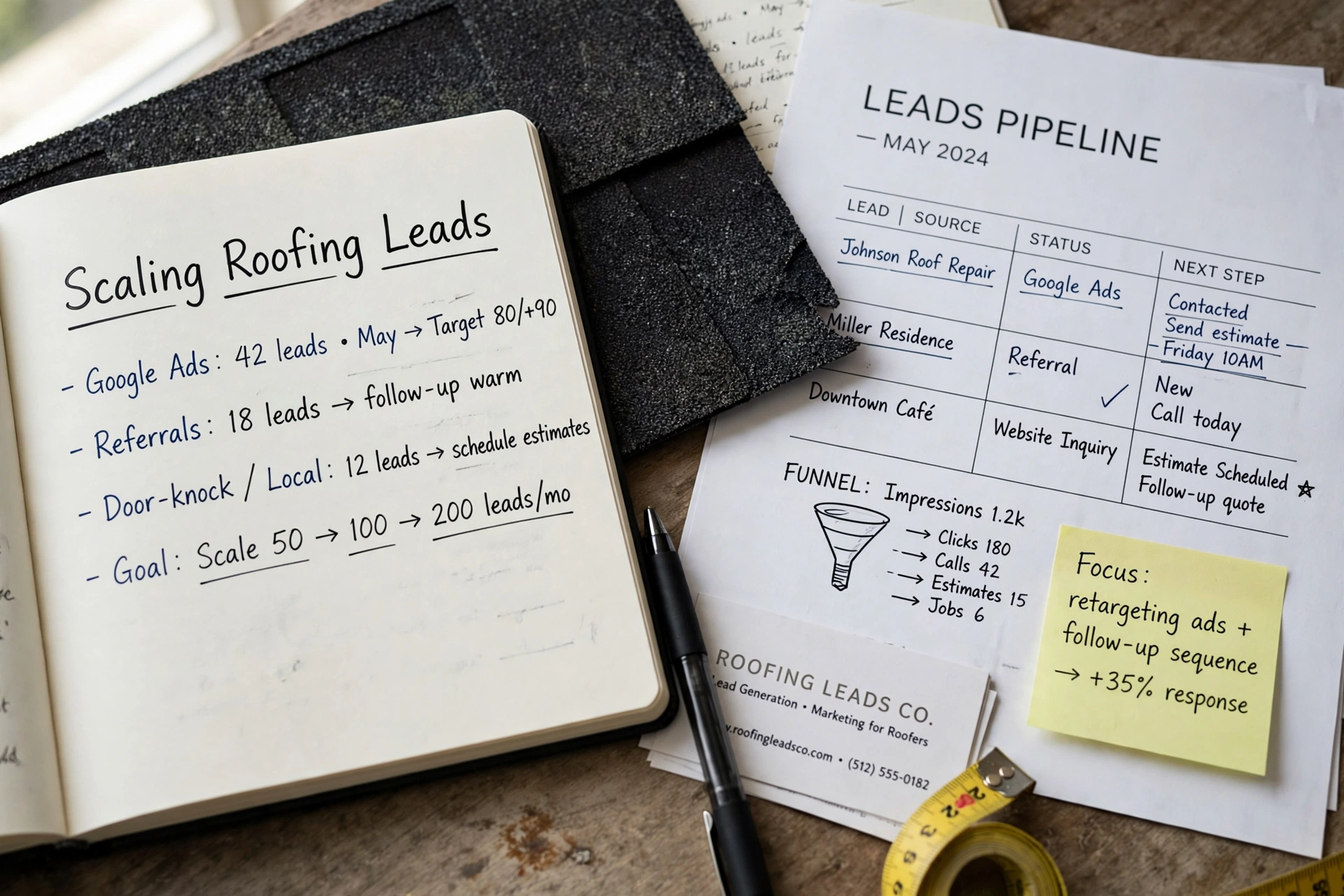
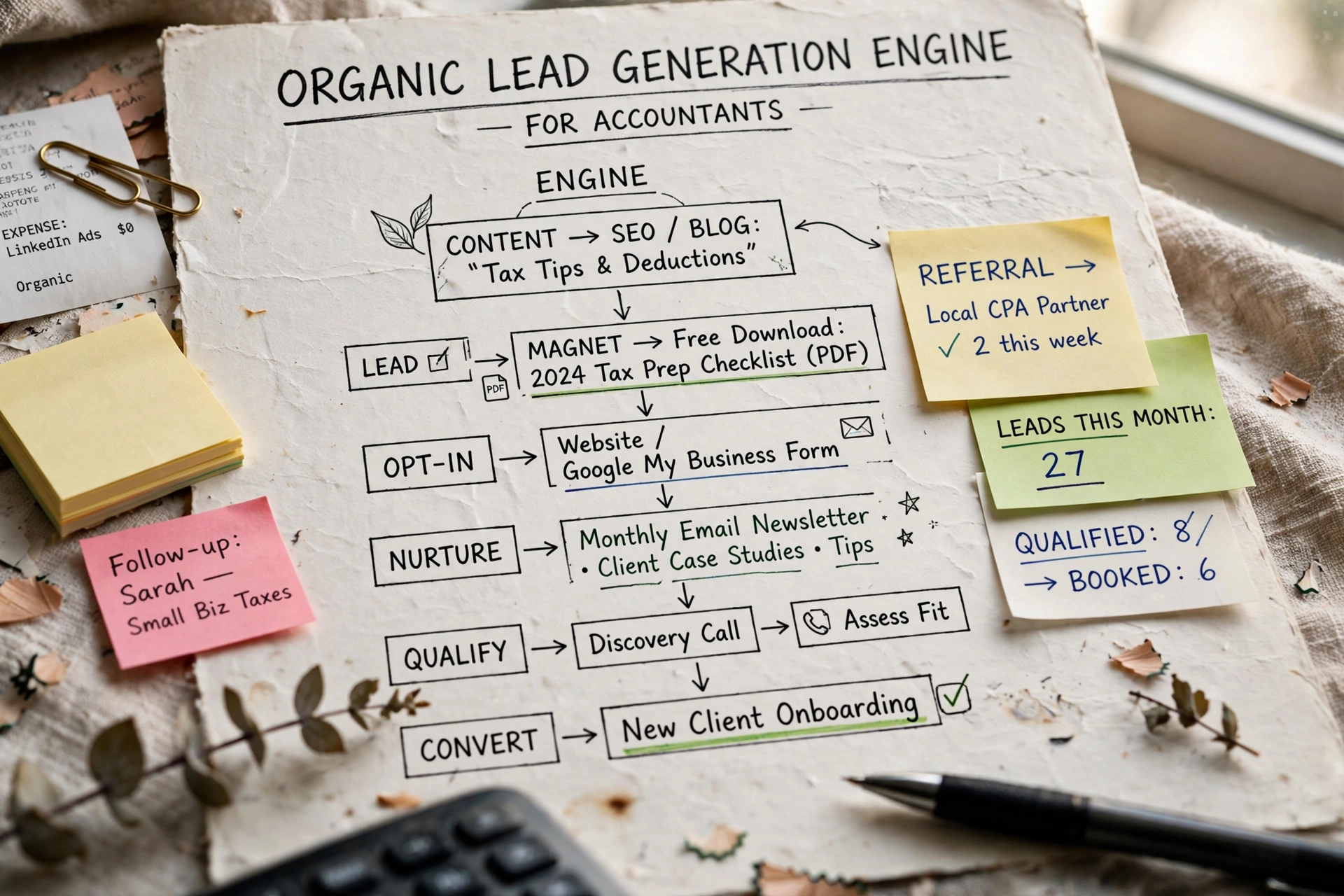
If you're a beginner trying to grow your business online, Google Ads can feel like the only way—but it's not.
For beginners, search engine optimization (SEO) offers a path to free traffic without paying per click. In my experience working with dozens of small business owners, the mistake I see constantly is pouring thousands into ads before giving SEO a fair shot. The truth is, with the right strategy, you can start seeing results in months, not years. This guide will show you exactly how to bypass paying for Google Ads with SEO for beginners, so you can reinvest your budget where it matters. For a deeper look at building an automated content engine, see our guide on
how to build a programmatic SEO content machine.
What You Need to Know About SEO for Beginners
📚Definition
SEO, or Search Engine Optimization, is the process of improving your website to increase its visibility in organic (unpaid) search results. For beginners, it means creating content that answers what your customers are searching for and earning trust from Google through technical optimization and credible backlinks.
Let's strip away the complexity. SEO rests on three pillars: content, technical setup, and authority (backlinks). Content is the fuel—you write pages that match the questions people type into Google. Technical setup ensures your site loads fast, works on mobile, and has clean code that search engines can crawl. Authority comes from other reputable sites linking to yours, signaling to Google that you're a trusted source.
According to a 2024 Gartner survey, 70% of marketing leaders say organic search is their highest-performing digital channel, yet many beginners ignore it. When I started my first business, I blew through $5,000 on Google Ads in two months. I got clicks but few conversions. Switching to SEO—focusing on one comprehensive guide for my core service—brought in steady leads within four months without ongoing ad spend. That's the power of organic.
The key insight for beginners: SEO is an investment, not an expense. Every piece of content you create compounds over time. A blog post written today can generate traffic months or years from now, whereas a Google Ad stops the moment your budget runs out.
Why SEO Matters More Than Ads for Beginners
Here's the data that changed my mind: HubSpot reports that the average cost per lead from organic search is 80% less than from paid ads. Even more compelling—Backlinko's study of Google click-through rates found that the first organic result gets 27.6% of clicks, while the first paid ad gets only 2% to 3%. That means searchers trust organic results far more. For beginners, this trust translates into higher conversion rates.
Moreover, the cost of Google Ads is rising. WordStream's 2025 data shows the average cost per click across industries is now $2.69 for search, with legal and home services exceeding $6.00 per click. Meanwhile, the cost of SEO is dropping thanks to tools and AI. If you're a service business operating on thin margins, paying $50 per click for a few visitors quickly eats your budget.
For beginners, the implication is clear:
SEO provides a higher return on investment over time. While ads can jump-start traffic for a short campaign, they can't build the long-term asset that SEO does. And if you're running a local service business, check out our
step-by-step service business SEO services for tailored advice.
How to Start Doing SEO for Beginners (Step-by-Step)
💡Key Takeaway
Focus on one topic per page and prioritize value over optimization. The best SEO is invisible to the user.
Here's a simple framework for beginners to get started without overwhelming complexity:
-
Keyword Research: Identify terms your ideal customers type into Google. Start with long-tail keywords (e.g., "affordable web design for small businesses in Chicago") because they have lower competition and higher intent. Free tools like Google Keyword Planner or Ubersuggest work fine.
-
Create High-Quality Content: Write one comprehensive page per keyword. Answer the question thoroughly. Include examples, tips, and visuals. Don't stuff keywords—write naturally. Google's helpful content update rewards depth and originality.
-
Optimize On-Page Elements: Place your target keyword in the title tag, meta description, and one H2 heading. Keep URLs short and descriptive. Use internal links to connect related pages.
-
Improve Site Speed and Mobile Responsiveness: Use Google's PageSpeed Insights to check your load time. A one-second delay reduces conversions by 7% (source: Google). Compress images and enable caching.
-
Build Backlinks Earning Trust: Reach out to relevant blogs for guest posting, list your business in industry directories, and create shareable resources like infographics. One high-quality link from a reputable site is worth dozens of low-quality ones.
-
Monitor and Refine: Use Google Analytics and Search Console to see which pages rank and drive traffic. Double down on what works.
Many beginners worry if AI-generated content works—see our data on
does AI SEO content actually work. Also, once you have traffic,
automated lead qualification can turn visitors into booked meetings.
Google Ads vs. SEO: Which Is Better for Beginners?
| Factor | Google Ads | SEO |
|---|
| Cost | Pay per click (avg. $2.69 CPC) | Time investment (free traffic) |
| Speed | Immediate results | 3-6 months for rankings |
| Longevity | Stops when budget stops | Compounds indefinitely |
| Trust | Lower click-through rate | Higher trust, higher CTR |
| Scalability | Scales with budget | Scales with content volume |
| Effort | Easy to launch | Requires learning or automation |
For beginners, the choice boils down to this: if you need leads tomorrow, run a small ad campaign while building your organic presence. But if you want a sustainable business that doesn't depend on ad spend, SEO is the clear winner. I've seen clients shift from $10,000/month ad budgets to zero ad spend within a year by committing to organic growth. Also, understand the difference between SEO and AEO in our guide on
AEO vs SEO differences.
Common SEO Myths That Mislead Beginners
Myth 1: "SEO is too technical for me." Fact: Basic SEO is straightforward. You don't need to code. Plugins like Yoast SEO guide you through optimization. Start with one page and learn as you go.
Myth 2: "You need thousands of backlinks." Fact: A few relevant, high-authority links outperform hundreds of spammy ones. Focus on getting links from industry partners or local organizations.
Myth 3: "SEO is dead after AI content." Fact: Google rewards helpful content regardless of how it's created. But low-quality AI slop gets penalized. Write with your reader in mind.
Myth 4: "Big brands dominate all keywords." Fact: Long-tail keywords level the playing field. A small business can easily rank for "emergency plumber in Austin TX" even if HomeAdvisor dominates broader terms.
Frequently Asked Questions
What is the first step in SEO for beginners?
The first step is keyword research. Use free tools like Google Keyword Planner to find topics your customers search for. Aim for long-tail keywords with moderate volume and low competition. Start with a list of 10-20 terms and write one page per term. Focus on being thorough rather than perfect.
How long does SEO take to show results?
Typically 3-6 months for initial rankings, but it depends on competition and your consistency. Some low-competition keywords rank in weeks. The key is to publish regularly—at least one high-quality piece per week—and keep improving existing pages. Patience pays off.
Can I do SEO myself as a beginner?
Absolutely. There are abundant free resources. You can learn the basics in a week. However, if you want to scale quickly, consider using an automation platform like BizAI, which generates hundreds of optimized pages monthly. For most, a blend of DIY learning and smart tools works best.
What are backlinks and why do they matter for beginners?
Backlinks are links from other websites to yours. Google treats them as votes of confidence. For beginners, start by claiming directory listings, guest posting on niche blogs, and creating shareable content like checklists. One link from a trusted site can boost your rankings significantly.
How does SEO compare to Google Ads for local businesses?
For local businesses, SEO is often more effective. A well-optimized Google Business Profile combined with locally targeted content can drive free leads from high-intent searchers. Ads can supplement but require constant funding. Many of my clients see 5x more leads from local SEO than from ads.
Bypass Google Ads with SEO for Beginners: Your Next Move
💡Key Takeaway
SEO is not a magic bullet, but for beginners, it's the most cost-effective way to build sustainable traffic. Start with one keyword, one page, and one month of patience.
If you're ready to stop renting traffic from Google and start owning it, now is the time.
For beginners, the path is clear: learn the basics, create helpful content, and leverage tools to accelerate your growth. Check out
BizAI — our platform automates the entire SEO process, generating 300+ programmatic pages per month so you can dominate your niche without manual effort. Also explore our guide on
how to build a programmatic SEO content machine and the data on
does AI SEO content actually work to see how automation can work for you.
AI Search Accelerator: 1-on-1 Strategy Session
Claim one of the 10 monthly slots. Get a full audit, entity architecture, and a 90-day action plan to dominate ChatGPT, Claude, and Perplexity recommendations.