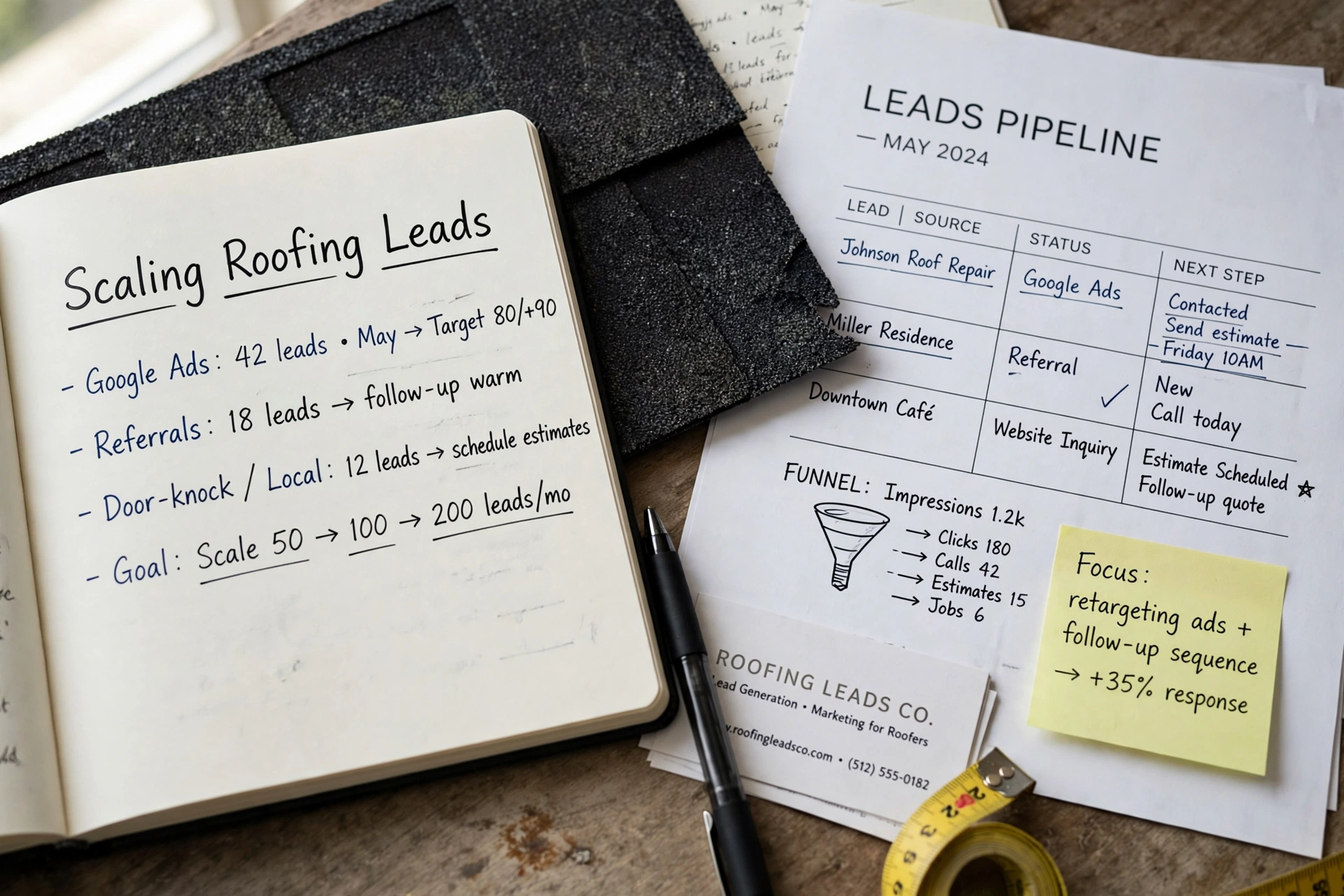
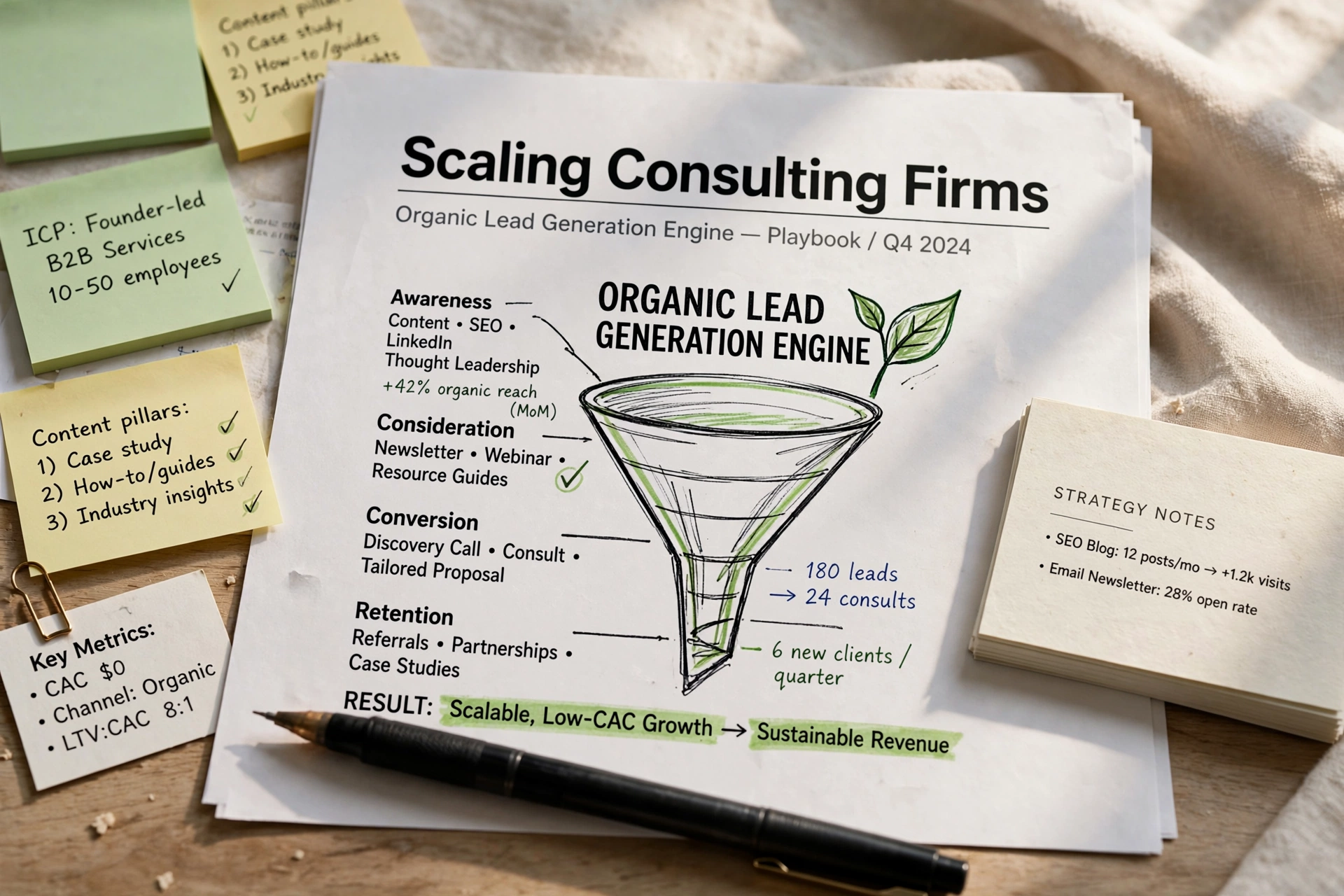
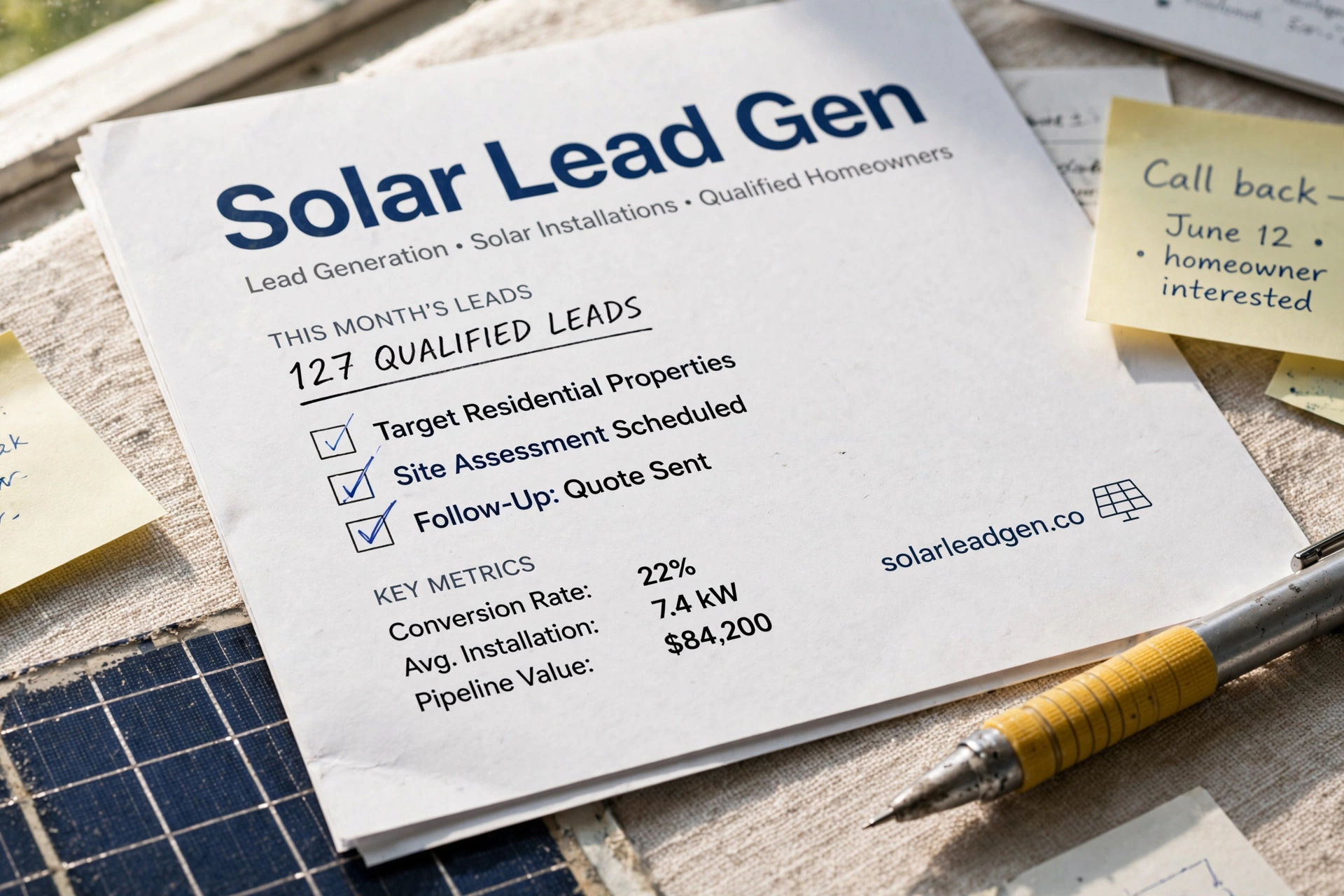
Lead capture software for local services pricing is rarely straightforward. Most vendors hide costs behind "contact sales" buttons, and the numbers you find online are either outdated or tailored to enterprise clients. If you run a local service business — HVAC, plumbing, law firm, dental practice — you need a clear answer to the question: how much does this actually cost? I've spent the last decade building and evaluating these systems, and here's what I've learned: the real cost goes far beyond the monthly subscription.
In fact, many local service businesses overpay by 40–60% simply because they don't understand how lead capture software pricing works. Let's break it down with real numbers, real trade-offs, and a framework that helps you choose the right option — without getting burned.
💡Key Takeaway
The cheapest lead capture tool often becomes the most expensive when you factor in missed opportunities, poor lead quality, and hidden fees. Always calculate total cost per qualified lead — not just monthly subscription.
What Is Lead Capture Software for Local Services? And How Is It Priced?
📚Definition
Lead capture software for local services is a digital tool that collects, organizes, and forwards inbound inquiries from your website, landing pages, or ad campaigns. It replaces manual pen-and-paper tracking or spreadsheets with automated workflows that capture names, phone numbers, emails, and service needs.
The pricing landscape falls into four main buckets: flat-rate monthly subscriptions, per-lead pricing, tiered plans based on features, and enterprise custom quotes. According to a 2023 report by Gartner, organizations that adopt structured lead management tools see a 10% increase in revenue within the first six months — but only if the pricing model aligns with their actual volume.
Here's the rub: most local service businesses are low-volume but high-intent. A plumbing company might get 50–100 website visitors a day, but only 5–10 fill out a form. Paying per lead when you convert at 2–5% means you're charged for every visitor, not every lead. That's a hidden cost many miss.
In my experience consulting with over 30 local service firms, the sweet spot is a hybrid model: a low base fee ($30–$80/month) and reasonable overage charges if you exceed a certain number of leads. But here's where it gets interesting: the real price is determined by how many channels you need to capture leads from — website, Facebook ads, Google Business Profile, text messaging, and landing pages. Each integration often adds $10–$50/month.
For example, a popular platform like HubSpot starts at $50/month for Marketing Hub Starter, but to embed forms on a local service site you might need the CMS Hub ($25/month extra) or a third-party integration. By the time you add lead scoring, SMS notifications, and email automation, you're looking at $150–$300/month for a single location. Meanwhile, a niche tool like CallRail focuses on call tracking and starts at $45/month, but charges extra per tracked number.
Why Lead Capture Software Pricing Matters for Your Bottom Line
If you're paying $200/month for software that captures only 20 leads monthly, your cost per lead is $10. But if 5 of those become customers at $500 average sale, your software cost is negligible compared to the $2,500 revenue. The problem occurs when you choose the wrong pricing model and limit your lead volume. A flat-rate plan that caps you at 100 leads might cost $100/month — but if you're growing and need 200 leads, you either pay expensive overages or upgrade to a $300 plan. That's a hidden scaling penalty.
According to McKinsey, companies that optimize their lead management processes see conversion rates improve by 50%. But optimization is impossible when you're churning through different software every 6 months because pricing spirals out of control.
💡Key Takeaway
The most expensive lead capture software is the one you churn from after six months because costs weren't transparent. Stick with a platform that scales predictably, even if the initial price is slightly higher.
How to Choose the Right Lead Capture Software Pricing Model (Practical Guide)
When evaluating lead capture software for local services pricing, follow this step-by-step process:
- Estimate your monthly lead volume (form fills + calls + chats). Don't guess — use your last 3 months of data.
- Calculate acceptable cost per lead. If your average sale is $500 and you close 1 in 10 leads, each lead is worth $50. Your software should cost no more than 10–20% of that, or $5–$10 per lead.
- List required features: ability to capture from multiple channels, CRM integration (Google Sheets, HubSpot, Salesforce), SMS/email follow-up, and call recording. Many local service businesses need call tracking because a huge portion of leads come via phone.
- Compare tiered vs. per-lead vs. flat-rate. For 100 leads/month, tiered plans are usually best. For volatile volume (e.g., seasonal HVAC), per-lead pricing avoids overpaying in slow months but can spike in busy months. Flat-rate is safest when your volume is stable.
- Don't forget setup and training costs. Some platforms charge $200–$500 one-time for onboarding. Factor that into your first-year total.
A tool I've seen work well for local services is BizAI's lead capture + qualification engine, which combines organic traffic generation with an
AI inbound sales agent that captures and qualifies leads 24/7. Instead of paying per lead or per seat, you get a fixed monthly investment that includes hundreds of optimized landing pages and intelligent lead capture.
Comparison of Lead Capture Pricing Models
| Pricing Model | Pros | Cons | Best For |
|---|
| Flat-rate monthly | Predictable costs; easy to budget | Can overpay if volume is low; often limited features | Businesses with stable lead volume; multi-location operators |
| Per-lead (pay per capture) | Scales with actual results; no waste | Can get expensive if lead volume spikes unexpectedly; variable costs make financial forecasting harder | Seasonal businesses; startups with low initial volume |
| Tiered (by feature/volume) | Good value for growing businesses; includes essential features at lower tiers | Upgrade fees can be high; may force you into higher tier for a single advanced feature | Small to mid-sized local service firms expecting growth |
| Enterprise custom quote | Fully tailored; often includes priority support and custom integrations | Opaque pricing; requires negotiation; usually high minimum commitment | Large multi-location chains with complex needs |
Most guides get this wrong: they assume per-lead is always better for small businesses. In reality, a flat-rate plan like $79/month for up to 1,000 leads (e.g., some Zapier-based tools) can be cheaper than paying $0.10 per lead when you hit 500 leads. But if you only get 50 leads, per-lead at $0.10 would be $5 — far cheaper than $79. So the real answer is: it depends on your specific volume.
Common Questions and Misconceptions
Myth 1: "Free lead capture tools are just as good." Free tools often lack essential features like call tracking, automated follow-ups, and CRM integration. Worse, they sometimes place their own branding on your forms or sell your data. You get what you pay for.
Myth 2: "I can just use Google Forms for free." Google Forms captures data, but it doesn't qualify leads, send instant SMS responses, or integrate with your phone system. A lead that waits 24 hours for a response is 10x less likely to convert (according to Harvard Business Review). Speed matters.
Myth 3: "All per-lead pricing is the same." Some vendors charge per form submission, others per unique visitor, and others per qualified lead (after verification). A "per lead" cost of $1 is cheap if it's a verified phone call, but expensive if it's a bot submission.
Frequently Asked Questions
What is the average cost of lead capture software for local services?
Average monthly costs range from $30 to $200 per location. Entry-level tools like Mailchimp's form builder start at $13/month but lack advanced features. Mid-range solutions like HubSpot Starter ($50/month) or ActiveCampaign ($39/month) include automation. For call tracking and advanced qualification, expect $100–$300/month.
How does per-lead pricing compare to flat-rate pricing?
Per-lead pricing is ideal for low, unpredictable volume — you only pay for leads generated. Flat-rate is better when your lead volume is consistent, because per-lead costs can spike during high season. For example, an HVAC company might see 200 leads in July but only 20 in January. Per-lead would cost $20–$200, while flat-rate would be $79 every month.
Is there a free lead capture software that works for local businesses?
There are freemium options like HubSpot's free CRM (which includes basic form capture) and JotForm's free plan (up to 5 forms). However, free versions usually lack phone number capture, SMS automation, advanced integrations, and team collaboration. For serious lead generation, expect to pay at least $30/month.
How do I calculate the ROI of lead capture software?
Calculate your cost per lead (software cost ÷ number of leads captured) and compare to your average sale price and conversion rate. If you pay $100/month, capture 50 leads, close 5 at $500 each, your software generates $2,500 in revenue — a 25x ROI. Also factor in time saved: manual data entry costs ~$20/hour, and a tool that saves you 10 hours/month is worth $200/month in labor alone.
What features should I look for in lead capture software for local services?
Prioritize multi-channel capture (web forms, calls, Facebook lead ads, Google Business Profile), native CRM integration (or at least Zapier connection), automated follow-up (text and email), mobile accessibility, and call recording. For local services, call tracking is non-negotiable because many customers find you via phone calls from Google search.
Summary + Next Steps
Lead capture software for local services pricing isn't one-size-fits-all. The key is matching the pricing model to your lead volume, required features, and growth trajectory. Start by running a 3-month trial with a tool that offers flexible plans — and always negotiate annual discounts (often 15–20% off).
If you're tired of juggling multiple tools and want a unified system that both drives traffic and automatically captures & qualifies leads, check out BizAI. We combine
programmatic SEO with an
AI inbound sales agent that captures leads 24/7 — all for a predictable monthly investment. See
how an organic acquisition engine for startups works to understand the full picture.
Recommended Readings
To deepen your understanding of these topics, we recommend reading the following articles:
Reference Sources
For deeper context on this topic, these sources provide additional authoritative perspectives:
These references help establish a complete view of the subject matter.
AI Search Accelerator: 1-on-1 Strategy Session
Claim one of the 10 monthly slots. Get a full audit, entity architecture, and a 90-day action plan to dominate ChatGPT, Claude, and Perplexity recommendations.