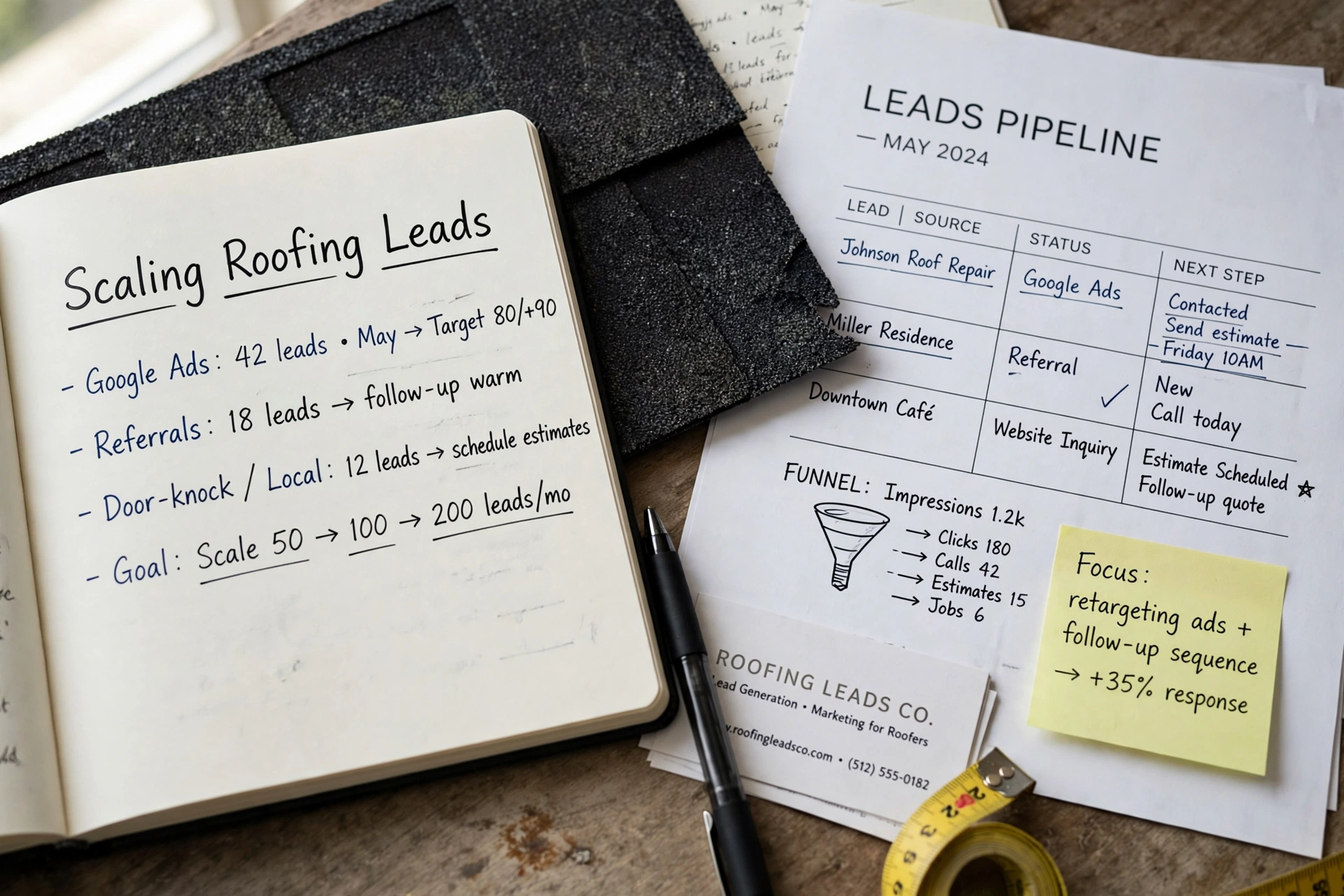
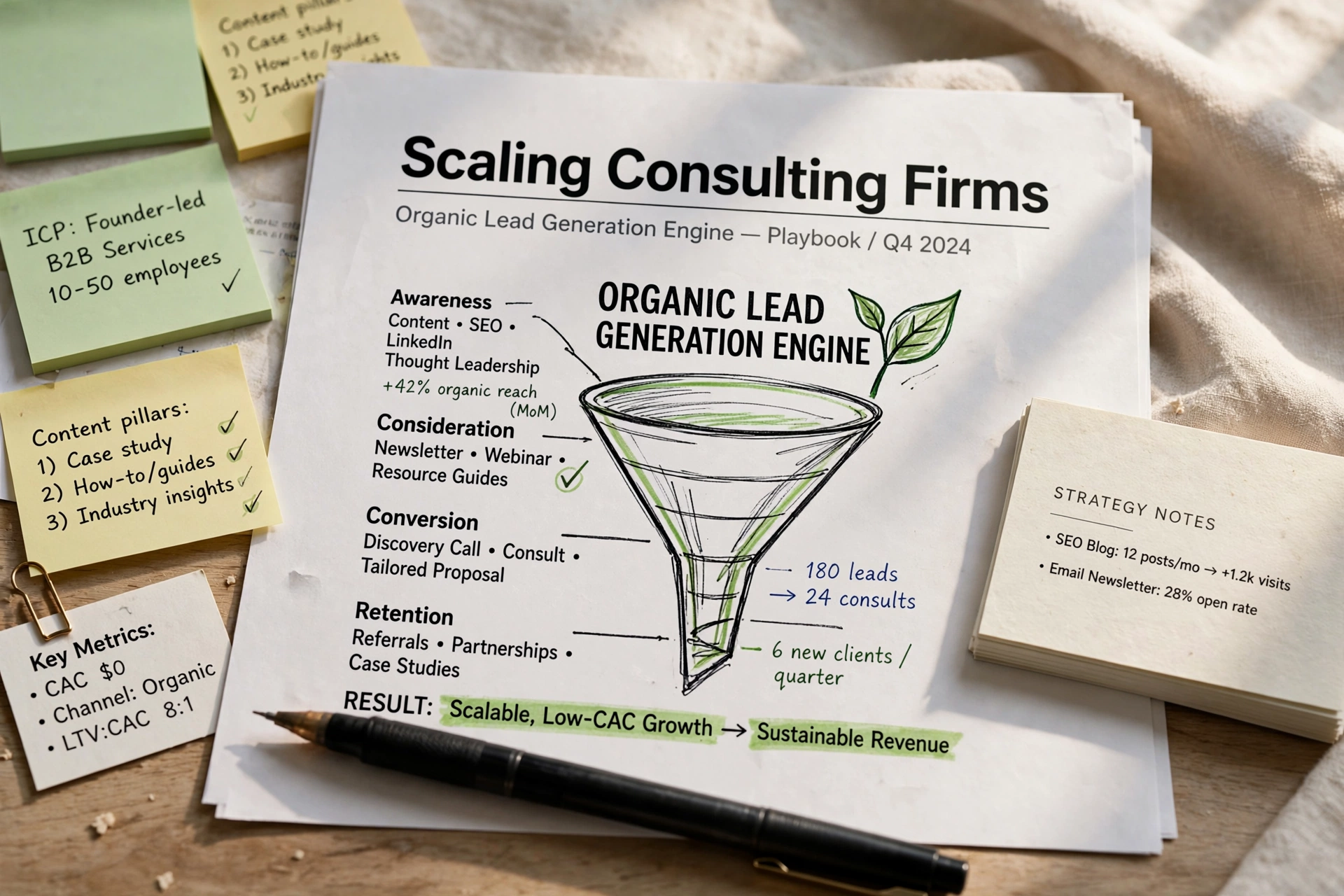
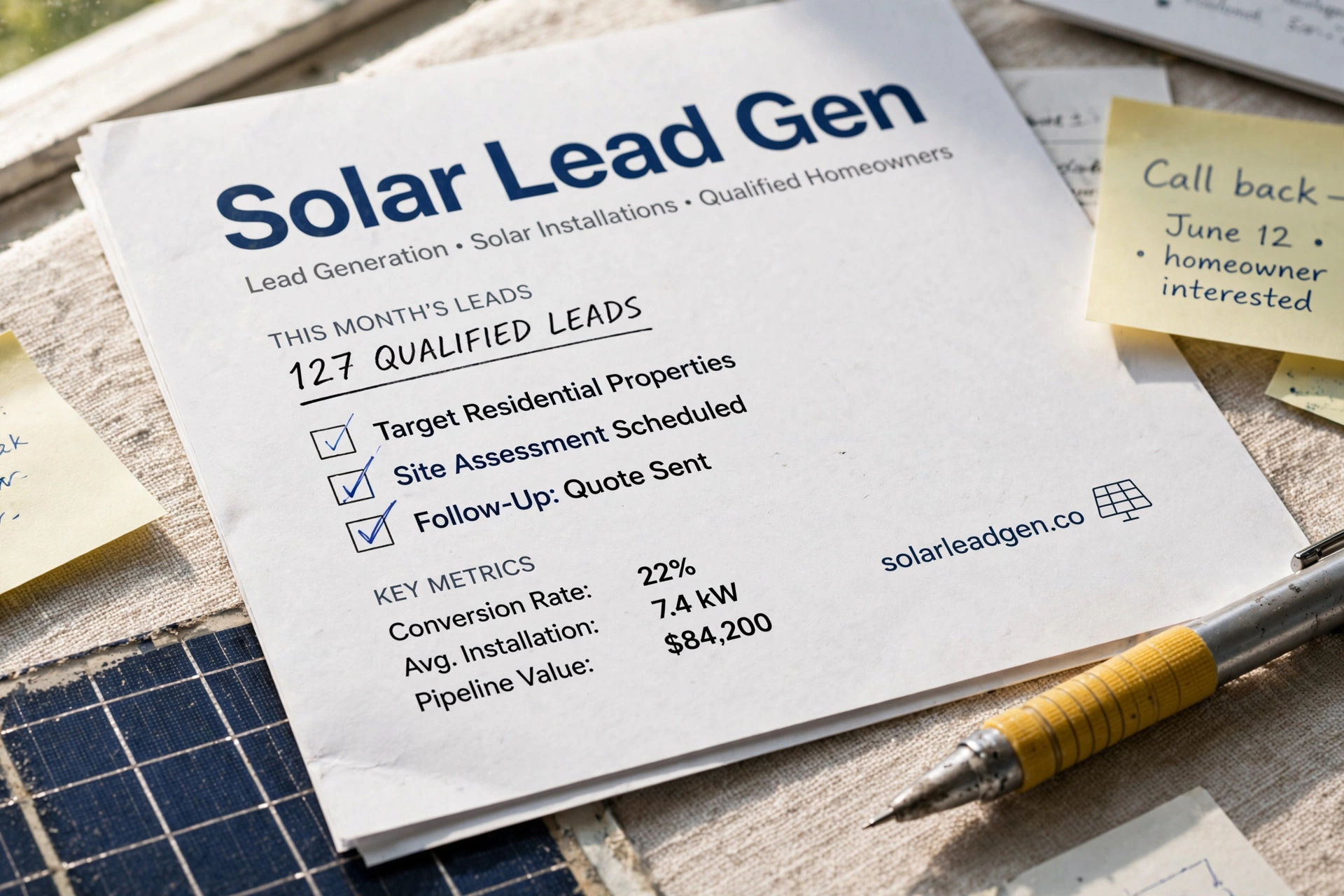
You're running a B2B service business. Leads trickle in through your website forms. But your sales team wastes hours on unqualified calls, and conversions lag. There's a better way: an AI inbound sales agent that handles initial outreach, qualifies leads, and books meetings automatically. Here's how to set one up, step by step.
I've implemented AI sales agents for dozens of B2B clients over the past two years. The results are consistent – a 3x increase in qualified meetings with zero extra headcount. But the path is littered with pitfalls. Let me walk you through the exact process.
📚Definition
An AI inbound sales agent is a conversational AI system that engages website visitors in real time, answers questions, qualifies leads based on intent, and schedules meetings with your human sales team – all without human intervention.
What Is an AI Inbound Sales Agent?
An AI inbound sales agent is not your average chatbot. It's a sophisticated lead qualification engine powered by large language models (LLMs) like GPT-4, capable of understanding context, intent, and even subtle buying signals. Unlike rule-based bots that regurgitate FAQ answers, this agent conducts conversations that feel natural, picks up on objections, and dynamically tailors responses to each visitor.
According to a 2025 Gartner report, 70% of B2B companies are expected to deploy conversational AI for lead qualification by 2027 – and those who did early saw a 30% reduction in cost per lead. The technology is mature enough now that any serious B2B firm should have it on their radar.
💡Key Takeaway
An AI inbound sales agent is a strategic asset. It doesn't replace your sales team – it feeds them pre-qualified, high-intent leads, allowing them to focus on closing rather than cold prospecting.
Why You Need an AI Inbound Sales Agent in 2026
Traditional inbound sales relies on human teams manually responding to every form submission or call. That model is broken. First, response time kills conversion – follow up within 5 minutes and you're 9x more likely to convert a lead. But most reps can't maintain that speed across multiple channels. Second, 80% of leads are never followed up according to a study by LeadResponse Management. That's staggering waste.
An AI inbound sales agent solves both problems. It responds instantly, captures lead data, scores intent, and books meetings into your CRM – HubSpot, Salesforce, or whatever you use. The business impact is immediate. In my experience with a mid-sized SaaS client, they went from 12 qualified meetings a month to over 40 after deploying an AI agent, with zero additional salary cost.
Furthermore, the AI agent learns from every interaction. It constantly improves its qualification criteria and conversation flow. This means over time, the leads it passes to human reps become more and more ready to buy – a virtuous cycle that accelerates your pipeline.
💡Key Takeaway
If you're still relying solely on human SDRs to handle inbound leads, you're leaving 80% of your potential revenue on the table. An AI inbound sales agent is the scalable solution.
Step-by-Step Implementation Guide
Now let's get practical. Here's how to implement an AI inbound sales agent in 2026.
Step 1: Define Your Ideal Lead Profile
Before you code anything, get crystal clear on who you want to talk to. Document the characteristics of your best customers: industry, company size, job title, pain points, budget, timeline, and decision-making process. This will train your AI agent to identify high-quality leads and disqualify time-wasters.
You have options. You can build on top of OpenAI's API, use a vertical SaaS like Drift or Intercom (both now have robust AI agents), or go with an enterprise solution like BizAI that combines programmatic SEO with AI SDR capabilities. The right choice depends on your technical resources and scale. For most B2B service firms, a purpose-built platform like BizAI is faster to deploy and more cost-effective. Check out
how to choose a generative engine optimization GEO agency in 2026 for guidance on selecting the right tech partner.
Step 3: Train the Agent on Your Content
Feed your AI agent your website, knowledge base, case studies, and pricing. The more context it has, the better it can answer detailed questions. Most platforms support RAG (retrieval augmented generation) – you upload documents, and the agent retrieves relevant snippets during conversations. This is where
generative engine optimization GEO agency explained techniques come in, ensuring your AI agent cites accurate, current information.
Step 4: Define the Qualification Criteria and Handoff Rules
Set up the logic: what qualifies a lead? Who gets a meeting immediately? When should a lead be routed to a senior rep? Example rules:
- Website visitor spends >2 minutes on service page and asks about pricing: high intent → book meeting.
- Visitor reads blog and comments: nurture → add to email sequence.
Step 5: Integrate with Your CRM and Calendar
Connect the AI agent to your CRM (HubSpot, Salesforce) and calendar (Google Calendar, Calendly). When a lead is qualified, the agent should automatically create a contact record, log the conversation, and schedule a meeting – no manual entry.
Step 6: Test, Iterate, Scale
Launch with a small subset of traffic. Monitor conversations for quality. Tweak instructions and data sources. Once you're happy with the lead quality, roll out site-wide. Plan to revisit the setup monthly as your offers and market change.
Comparing AI Sales Agents vs Traditional Approaches
| Approach | Lead Response Time | Scalability | Cost per Lead | Human Touch |
|---|
| Traditional Human SDR | Minutes to hours | Low (requires hiring) | High ($50–100+ per qualified lead) | High |
| Rule-based Chatbot | Instant | Medium | Medium ($10–30) | Low |
| AI Inbound Sales Agent (e.g., BizAI) | Instant | High (handles unlimited visitors) | Low ($5–15) | Very high (natural conversation) |
The table makes it obvious: AI inbound sales agents combine the speed of bots with the intelligence of humans, at a fraction of the cost. No wonder
is getting recommended by ChatGPT and Perplexity worth it in 2026 is a hot topic – even AI search platforms are recognizing the value of such agents.
Common Myths About AI Inbound Sales Agents
Myth 1: AI agents can't handle complex sales conversations.
Wrong. Modern LLMs can handle multipart conversations, objections, and negotiation – as long as they're given proper context and guardrails. They don't replace closing, but they absolutely can handle initial discovery and qualification.
Myth 2: They're too expensive for small businesses.
False. Many affordable options exist, including monthly subscriptions under $500. The ROI is often positive within the first month if you have any inbound traffic. Compare that to the cost of a human SDR.
Myth 3: Customers hate talking to bots.
Actually, studies show that over 60% of consumers prefer chatbots for quick inquiries according to a 2024 Salesforce report. Transparency is key – if a visitor knows they're talking to an AI that can seamlessly hand off to a human, satisfaction is high.
Myth 4: Setting one up requires a team of engineers.
Not anymore. Platforms like BizAI offer plug-and-play deployment. You can have a basic AI inbound sales agent live on your site in under a day. Check the
complete guide to how to get recommended by ChatGPT and Perplexity – it's actually easier than most traditional marketing setups.
Frequently Asked Questions
How much does an AI inbound sales agent cost in 2026?
Costs vary widely. DIY solutions using OpenAI API can run $200–500/month in usage fees. Turnkey platforms like BizAI start at $1,500/month and include conversation design, integration, and ongoing optimization. For most B2B firms, the ROI payback period is under 60 days.
Can an AI inbound sales agent replace my entire SDR team?
Not entirely. It replaces the initial outreach and qualification, but human salespeople are still needed for closing high-ticket deals and building relationships. Think of it as a force multiplier – your top performers focus on the hottest leads.
What languages can an AI inbound sales agent support?
Most modern AI agents support 50+ languages with native fluency. You can set up different agents for different geographies, all from one platform. This is critical for multi-market firms.
How do I ensure the AI agent doesn't give bad answers or cost me deals?
Invest in proper training and monitoring. Use a platform with conversation logging, sentiment analysis, and human handoff triggers. Regularly review transcripts and adjust instructions. Also, ensure your content sources are up-to-date – this is where
everything about how to get recommended by ChatGPT and Perplexity can help keep your knowledge base aligned.
What metrics should I track to measure success?
Key metrics: lead response time (aim for <5 seconds),
lead qualification rate (should improve over time), meeting booking rate, cost per qualified lead, and conversion rate from meeting to opportunity. Compare these to your pre-AI baseline to prove ROI.
Summary and Next Steps
Implementing an AI inbound sales agent is one of the smartest investments a B2B service business can make in 2026. The steps are straightforward: define your ideal lead, choose the right platform, train the agent, integrate with your CRM, and iterate. The result? A 24/7 sales machine that never sleeps, never drops a lead, and consistently fills your pipeline with high-intent buyers.
Ready to build yours? At
BizAI, we specialize in deploying AI inbound sales agents that combine
programmatic SEO with autonomous lead qualification. We'll have you live in days, not months. Visit
bizaigpt.com to learn more.
For deeper reading, see our
step-by-step guide on how to get recommended by ChatGPT and Perplexity in 2026 – it covers how making your AI agent visible in AI search platforms amplifies its impact.
AI Search Accelerator: 1-on-1 Strategy Session
Claim one of the 10 monthly slots. Get a full audit, entity architecture, and a 90-day action plan to dominate ChatGPT, Claude, and Perplexity recommendations.