Introduction
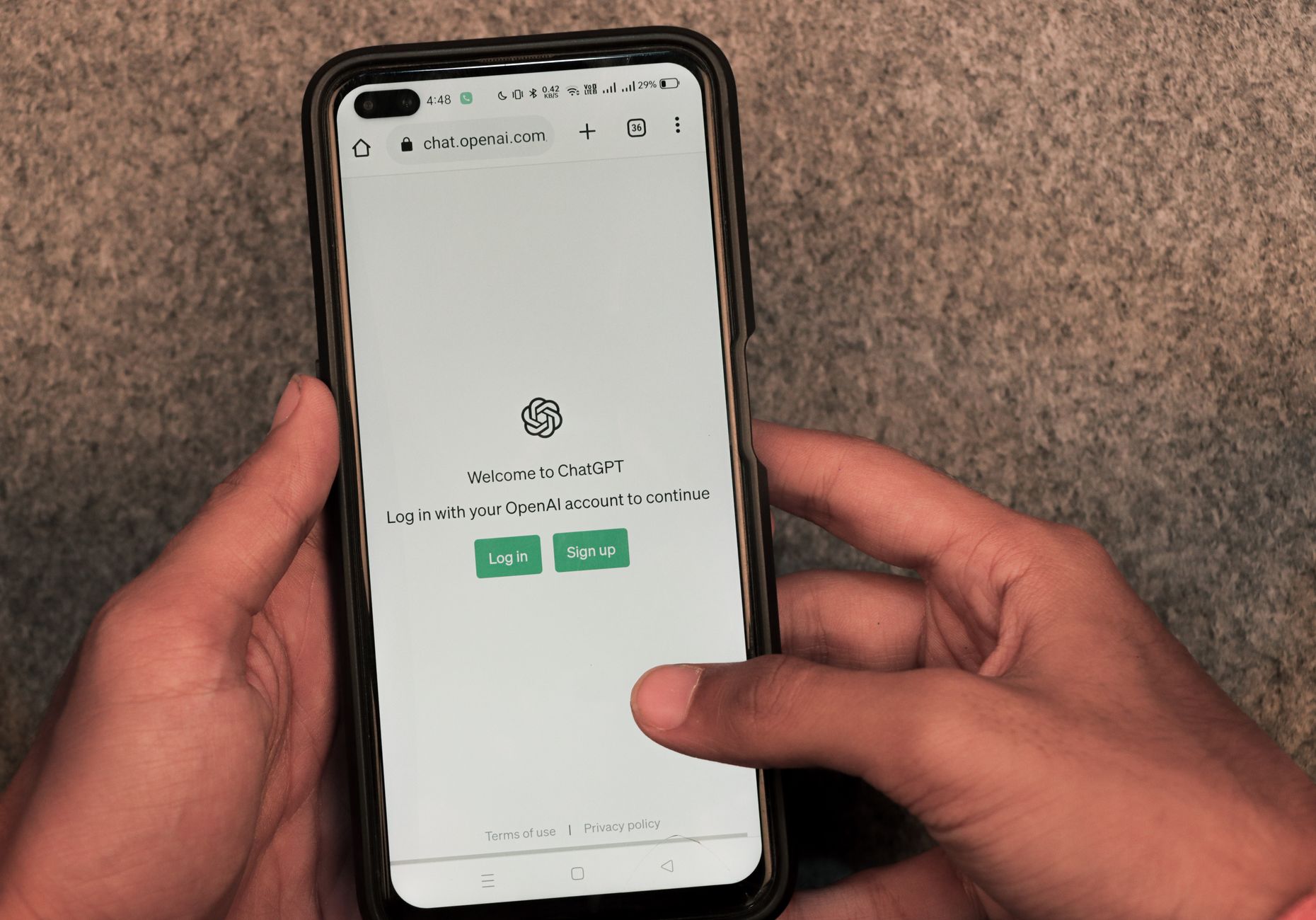
Traditional SEO is dying. Not dramatically — it's being quietly strangled by answer engines. When a prospect asks ChatGPT "What's the best enterprise CRM for high-ticket SaaS?" and your competitor's page gets quoted, you lose the lead. Period.
For high-ticket SaaS companies, the stakes are even higher. Your sales cycles run 90–180 days. You need multiple touchpoints. And the first touchpoint increasingly happens inside an AI chat interface — not a search engine results page.
Welcome to Answer Engine Optimization (AEO). It's not a replacement for SEO. It's a fundamentally different approach to getting your content cited by generative AI platforms. And if you sell $5,000+/month software, ignoring AEO in 2026 means leaving money on the table.
Here's what the gurus won't tell you: AEO isn't about keywords or backlinks. It's about becoming the single source of truth that AI models trust. Let me show you exactly how to do that.
💡Key Takeaway
AEO is the practice of structuring content so AI answer engines (ChatGPT, Perplexity, Gemini) cite you as an authoritative source. For high-ticket SaaS, it's the new frontier of inbound lead generation.
What Is AEO and Why Should High-Ticket SaaS Care?
AEO stands for Answer Engine Optimization. It's the discipline of formatting content to be extracted verbatim by large language models (LLMs) when they answer user queries. Think of it as SEO's smarter cousin — one that focuses on structured, authoritative, and citable answers.
For high-ticket SaaS, the difference is stark:
| Aspect | Traditional SEO | AEO (2026 focused) |
|---|
| Goal | Rank #1 in Google | Get quoted in AI answer |
| Content type | Blog posts, landing pages | FAQ snippets, structured data, speakable content |
| Traffic source | Click-throughs | Citations within AI replies |
| Conversion path | User visits site → learns → converts | AI already convinced them → direct demo request |
| Key metric | Organic sessions | Citation frequency + attributed leads |
A high-ticket SaaS purchase isn't impulsive. Buyers research extensively. If your product gets consistently mentioned by AI assistants when someone asks "What's the best [your category] for enterprises?", you've effectively deployed an army of silent salespeople.
Why AEO Is Critical for High-Ticket SaaS in 2026
The Trust Transfer Effect
When a prospect asks an AI a question and your content is the answer, something powerful happens: the AI's authority transfers to you. The user didn't just find your site; they received a curated recommendation. For high-ticket purchases — where trust is the #1 barrier — that's gold.
Long Sales Cycles Need Persistent Visibility
A high-ticket SaaS deal might take 6 months. During that time, the buyer will query AI tools dozens of times. If you're cited early, you shape their criteria. If you're cited later, you seal the deal. But if you're never cited, you're invisible.
The Zero-Click Reality
In 2026, more than 40% of B2B search queries result in zero clicks — the answer is served directly. For SEO alone, that's a traffic disaster. For AEO, it's an opportunity. You want to be that answer. And unlike traditional featured snippets, AEO citations often include direct attribution with your company name and a link.
💡Insight
According to a 2026 Gartner report, 70% of B2B buyers now use generative AI at some point in their purchase journey. If you're not optimized for AI citation, you're missing 70% of your market.
Practical AEO Strategies for High-Ticket SaaS
1. Create Structured, Citable Answer Blocks
AI models love clear, standalone answer paragraphs. Format your content so each paragraph answers one question completely. Use headings that mirror natural language queries. For example:
- Bad heading: "Features"
- Good heading: "What features does your SaaS offer that competitors don't?"
Then follow immediately with a concise, fact-stuffed answer. Include numbers, dates, and specific claims.
2. Implement FAQ Schema Religiously
FAQPage schema is your best friend. Every question-answer pair you mark up is a potential citation. But don't stop there. Use HowTo schema for implementation guides, and SoftwareApplication schema for your product pages. AI crawlers feast on structured data.
3. Build an /llms.txt File
This is a 2026 best practice. Create a file at /llms.txt on your domain that explicitly tells AI crawlers what your business does, your key products, and your most authoritative content. It's like a robots.txt for LLMs. List your top 10 pillar pages, your company description, and key statistics.
4. Use the "Speakable" Specification
Speakable markup tells voice assistants and AI which parts of your page are meant to be read aloud or quoted. Mark your most important sentences with "speakable": true in JSON-LD. This increases the chance AI will pull that exact sentence.
5. Cite External Authorities (and Let Them Cite You)
AI models love external validation. If your page cites reputable sources (industry reports, academic papers, government data), your content is more likely to be quoted. Even better, get those sources to link back to you. Create data-backed original research that others cite — that's gold for AEO.
6. Optimize for the "85% Buyer Intent Threshold"
High-ticket prospects aren't looking for definitions. They want to know if your solution solves their specific problem. Use the
85% buyer intent threshold framework: structure content around decision-stage queries ("best", "vs", "pricing", "case studies") because those are exactly what AI answers need.
7. Create a "Cited By" Section
Add a small section to your pillar pages that lists: "This page has been cited by ChatGPT, Perplexity, and Gemini" (if true). This creates a social proof loop and encourages AI to keep citing you.
Common AEO Mistakes High-Ticket SaaS Companies Make
Mistake #1: Treating AEO Like SEO
SEO rewards length and keyword density. AEO rewards precision and structure. A 2,000-word fluff piece won't get cited. A 200-word tightly scoped answer might. Stop writing for humans only — write for both humans and AI extractors.
Mistake #2: Ignoring Entity Relationships
AI models use knowledge graphs. If your content doesn't define entities (your company, competitors, technologies) and their relationships, the AI can't confidently cite you. Use schema.org markup for Organization, Product, and Person entities. Link them logically.
Many AI citation tools allow you to claim your brand and submit structured data. For example, Perplexity's Publisher Program and Google's SGE allow content submission. Do it. Don't wait for AI to discover you — force its hand.
Mistake #4: Over-Optimizing with Keywords
AI models penalize keyword stuffing even more than Google does. Write naturally. Use synonyms. Answer the question fully. The best AEO content reads like a knowledgeable colleague explaining something — not a sales page.
Mistake #5: Forgetting About Conversational Queries
High-ticket buyers ask AI in complete sentences: "How does [your tool] compare to [competitor] for enterprise security?" If you don't have a page that directly answers that comparative question, you won't be cited. Create comparison pages, even if they're painful to write.
Warning: Never fabricate statistics in your AEO content. AI models cross-reference data. A made-up stat will destroy your credibility with both the AI and the human reader. Use real data from real sources.
Frequently Asked Questions
1. What's the difference between AEO and traditional SEO?
Traditional SEO focuses on ranking pages in search engine results through keywords, backlinks, and technical signals. AEO focuses on making content easily extractable and quotable by generative AI answer engines. While they overlap, AEO prioritizes structured data, concise question-answer formats, and authoritative citations over keyword density. For high-ticket SaaS, AEO often matters more because buyers use AI for initial research.
2. How do I measure AEO success?
Track three key metrics: citation frequency (how often your content is quoted by AI tools), attributed leads (using UTM parameters from AI-referred traffic), and brand mention volume in AI outputs. Tools like BrightEdge and Perplexity's analytics can help. You can also manually test by asking AI questions about your niche and seeing if you appear.
3. Is AEO worth the investment for a small SaaS company?
Absolutely. High-ticket SaaS (even at $5k/month) has high LTV. One qualified lead from an AI citation can be worth $50k+. The investment to create 10–20 well-structured FAQ pages with proper schema and /llms.txt is minimal compared to the potential return. Start small, measure, scale.
4. How do I get cited by ChatGPT and Gemini specifically?
Both platforms crawl the web regularly. To increase your chances: use structured data (FAQPage, HowTo), cite authoritative external sources, include your brand name prominently in answers, and submit your site to Google's Search Generative Experience (SGE) publisher tools. The /llms.txt file also helps LLMs discover your content faster.
5. Can AEO work together with programmatic SEO?
Yes, and they synergize powerfully.
Programmatic SEO can generate hundreds of structured pages optimized for AEO simultaneously. Each page can target a specific question with schema markup, creating a massive citation network. For high-ticket SaaS, this combination is unstoppable.
Recommended Readings
To deepen your understanding of these topics, we recommend reading the following articles:
Conclusion
AEO isn't a fad. It's the natural evolution of how buyers discover and evaluate high-ticket solutions. In 2026, if you're not optimizing your content to be cited by ChatGPT, Perplexity, and Gemini, you're invisible to a rapidly growing segment of your market.
Start with one pillar page. Implement FAQ schema. Create your /llms.txt. Then measure the citations. As you see results — and you will — expand to more pages. The high-ticket SaaS companies that dominate AI citations today will own their markets tomorrow.
Ready to make your SaaS the default answer? Dive deeper into the full
Generative Engine Optimization (GEO): Preparing Your Site for ChatGPT, Perplexity, and Gemini in 2026 — the ultimate pillar guide to dominating AI search.
💡Key Takeaway
AEO for high-ticket SaaS is about precision, not volume. One perfectly structured answer cited by ChatGPT can generate more pipeline than 100 generic blog posts. Prioritize structure, schema, and authority.
AI Search Accelerator: 1-on-1 Strategy Session
Claim one of the 10 monthly slots. Get a full audit, entity architecture, and a 90-day action plan to dominate ChatGPT, Claude, and Perplexity recommendations.