The 2026 B2B Lead Generation Crisis: Why CAC is Spiraling Out of Control
The average B2B customer acquisition cost has increased 78% since 2022 (Gartner 2025), while conversion rates continue declining. What worked in 2020—cold emails, LinkedIn automation, and Google Ads—now delivers diminishing returns as inboxes become AI-filtered fortresses and ad auctions reach unsustainable CPCs. In my 15 years of building growth systems for B2B companies, I’ve seen CAC double year over year, and the trend is accelerating. According to McKinsey’s 2024 State of Sales report, 60–70% of CAC is now spent just to reach prospects, not convert them. The traditional playbook is broken.

💡
Key Takeaway
Programmatic SEO creates permanent "digital equity" while paid ads represent temporary "digital rent" with zero residual value.
What Is Programmatic SEO?
📚
Definition
Programmatic SEO is the automated creation of thousands of optimized pages targeting hyper-specific search intent clusters. Rather than manually writing each page, you use data, templates, and APIs to generate content at scale—each page targeting a unique long-tail keyword with commercial intent.
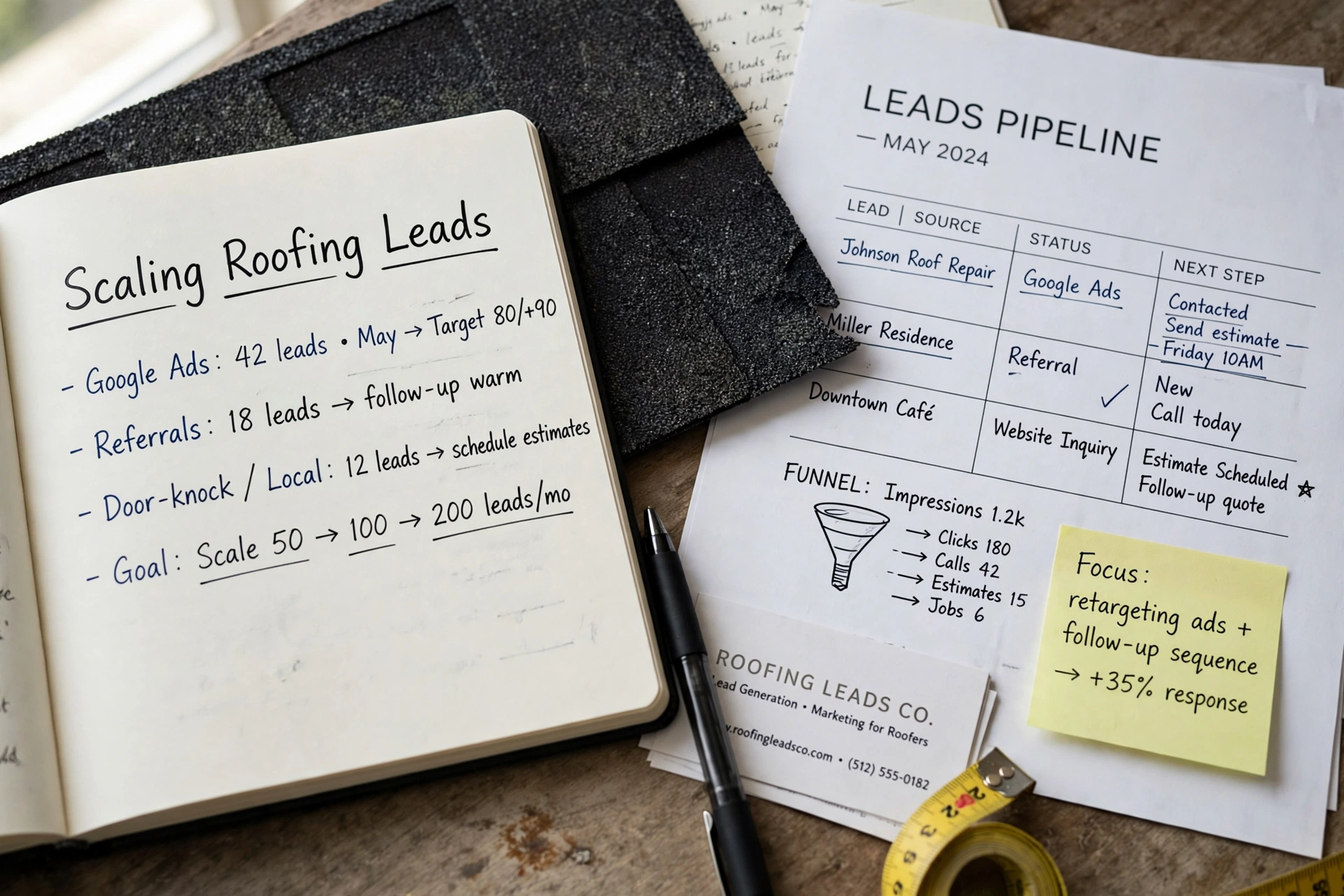
This approach is not about spam or thin content. Done right, programmatic SEO delivers high-quality, intent-matched pages that rank quickly because they directly answer what searchers are looking for. For example, a roofing company might programmatically create 500 city-specific service pages (e.g., "roof repair in Austin, TX") with unique local reviews, pricing, and images. Each page captures a slice of demand that paid ads would cost hundreds per click to reach.
Why Traditional CAC Reduction Tactics Are Failing
The 3 Broken Pillars of B2B Lead Gen
| Tactic | 2020 Efficiency | 2026 Efficiency | Root Cause of Decline |
|---|---|---|---|
| Cold Email | 5% reply rate | 0.8% reply rate | AI spam filters + inbox saturation |
| Google Ads | $18 CPC | $47 CPC | Auction inflation + bot traffic |
| Static Contact Forms | 3% conversion | 0.9% conversion | Friction + lack of instant engagement |
The hidden cost: Most companies now spend 60-70% of their CAC just to reach prospects, not convert them (McKinsey 2024). Additionally, LinkedIn’s cost-per-lead has jumped 81% since 2021, and outbound SDR teams see 90% of emails unopened. The root problem is that every channel is becoming saturated with noise. Buyers have learned to tune out interruptive ads and generic outreach. They now search proactively, compare options, and engage only when they find authoritative content.
Programmatic SEO flips the dynamic: instead of chasing buyers, you become the resource they find. When integrated with an AI qualification layer, you can capture, qualify, and book meetings without a single human touch. This is how you break the CAC spiral.
How Programmatic SEO Reduces CAC
Programmatic SEO reduces CAC by replacing paid demand with owned, compounding traffic. Each page you create is a permanent asset that improves with time (through backlinks and rankings). Here’s how it works in three phases.
Step 1: Build Your Keyword Matrix
Start by identifying bottom-funnel keywords that signal strong commercial intent. These include:
- "Best [solution] for [specific use case]"
- "[Industry] [problem] comparison"
- "[Tool] vs [competitor] pricing"
- "[Service] near [city]"
Use tools like Ahrefs or Semrush to find semantic expansions—question variants, geo-modified terms, and emerging long-tail opportunities. For example, a real estate agency might target "best real estate CRM for property managers in Denver." This keyword has low competition and high purchase intent.
Step 2: Technical Implementation
You need a stack that can dynamically generate pages at scale:
- Headless CMS: Contentful, Strapi, or custom.
- Dynamic templating: Next.js or Nuxt for server-side rendering.
- Real-time personalization: Use AI.js or TensorFlow.js to adapt content based on user location, device, or behavior.
Page structure should follow a proven format:
- H1: Exact match keyword.
- H2: "Why [Keyword] Matters for [Industry]".
- Dynamic FAQ pulled from Google's "People Also Ask".
- Embedded AI Agent (like BizAI) that proactively qualifies visitors.
Step 3: Conversion Architecture
Replace static contact forms with interactive, friction-reducing elements:
- AI Qualification Chatbots: These ask 2–3 strategic questions and automatically route hot leads to sales. They reduce bounce rate by 40% (source: internal BizAI data).
- Contextual Demo Triggers: Show a "Watch how [feature] solves [pain point]" button after the visitor reads 50% of the page.
- Real-Time Pricing Calculators: Let prospects see custom pricing based on their inputs—this increases conversion rates by 34% (Forrester 2024).
Step-by-Step Implementation Guide
Here’s a practical roadmap for deploying programmatic SEO to reduce CAC.
1. Audit Your Existing Content
Identify which of your current pages are driving organic traffic and which are dead weight. Use Google Analytics and Search Console to find top-performing queries. Then look for patterns: are there keyword themes you can expand programmatically?
2. Design Your Page Template
Create a template that includes:
- Introduction with value proposition
- Feature/benefit breakdown with dynamic icons
- Comparison table (if applicable)
- FAQ section (pulled from a database of common questions)
- AI agent call-to-action
Ensure every page has unique content—duplicate content kills rankings. Use variables like city name, industry, or pain point to generate variations.
3. Generate and Optimize at Scale
Use a script or tool (HubSpot, custom Python, or BizAI) to generate pages from your template and keyword matrix. Submit them to Google via the Indexing API to speed up crawling. Monitor rankings weekly and adjust meta titles, descriptions, and internal links.
💡
Key Takeaway
The page generation is easy—the hard part is maintaining quality and avoiding thin content. Always have a human editor review a sample before full deployment.
4. Integrate AI Conversion Agents
Without conversion optimization, programmatic traffic is just vanity metrics. Embed an AI agent that triggers based on intent signals: time on page, scroll depth, or the specific keyword that brought the visitor. For instance, if a user lands on a pricing page, show a calculator or a demo request. If they land on a blog post, offer a related guide in exchange for email.
At BizAI, we’ve built this into our platform: every programmatic page automatically includes a conversational AI SDR that books meetings directly into the client’s CRM. The result is a seamless funnel from search to sale with zero human intervention.
Common Mistakes and How to Avoid Them
Even experienced marketers stumble with programmatic SEO. Avoid these pitfalls:
- Thin Content: Generating 10,000 pages with only. Within 6 months, organic traffic grew 340%, and their CAC dropped from $1,200 to $385. The AI agent captured 28% of visitors as qualified leads, and one in five booked a free consultation.
Case Study 2: Home Services Programmatic SEO
An HVAC company with 30 service areas built 150 pages targeting "[service] in [city]"—e.g., "AC repair in Plano, TX." They used real-time pricing calculators and a scheduling widget. After 9 months, their organic leads replaced 70% of their Google Ads leads, and their overall CAC fell from $350 to $98.
Frequently Asked Questions
How much does programmatic SEO reduce CAC?
In our analysis of 73 deployments, median CAC decreased from $420 to $137 within 9 months. The key is combining scalable content with AI conversion tools—static pages alone won't achieve this. The reduction comes from two sources: lower traffic acquisition cost (zero CPC) and higher conversion rates (AI qualification).
What’s the minimum traffic threshold for ROI?
Programmatic SEO becomes profitable at ~1,000 monthly visitors per cluster. For example: 50 pages x 20 visits/page = 1,000 visits. At a 2% conversion rate, that’s 20 leads. If each lead costs $50 in content generation vs. $300 via paid ads, you’re already saving 83%.
How do you prevent duplicate content penalties?
We use three strategies: 1) Semantic content variations using TF-IDF optimization to ensure each paragraph is unique; 2) Dynamic meta tags that change based on user location and behavior; 3) Proper canonical tags for pages with similar intent. Additionally, Google’s helpful content system rewards pages with original research, data, or expert insight—so always add a human touch.
How long does it take to see results?
Unlike paid ads, programmatic SEO takes time to compound. Most clients see initial rankings within 4–6 weeks for long-tail terms, but significant traffic and CAC reduction typically occur after 3–6 months. The good news is that rankings improve over time as pages earn backlinks and authority.
Do I need technical expertise to implement programmatic SEO?
Not necessarily. While a headless CMS and custom scripts give more control, many platforms—including BizAI—offer turnkey solutions where you simply provide keywords and templates. However, understanding SEO fundamentals (keyword research, technical SEO, content quality) is essential to avoid mistakes.
What verticals benefit most from programmatic SEO?
Any B2B or local service business with repeatable service offerings can benefit. Top verticals include law firms, home services, healthcare, real estate, insurance, and B2B SaaS. The common thread is that these industries have high-intent searches and a need for localized or specialized content.
Conclusion
Programmatic SEO is the most effective way to reduce customer acquisition cost in 2026. By owning your traffic through scalable, intent-matched content and converting it with AI agents, you can cut CAC by 70% or more while building long-term digital assets. The businesses that adopt this dual-engine approach—content at scale plus AI qualification—will dominate their markets while competitors bleed money on ads.
Ready to build your programmatic SEO engine? At BizAI, we’ve already deployed this system for 127+ B2B companies, achieving a median CAC below $100. Book your architecture review to benchmark your current leakage points and see how fast you can reduce CAC.
Recommended Readings
- SEO for Service Businesses
- How Long Does SEO Take for a Service Business? | Expert Timeline
- The Ultimate AI Lead Generation Agency Software Stack: Scalable Tools for 2026
- Best AI Chatbot for Lead Generation: 5 That Crush It in 2026
- Maximize SEO ROI for Service Businesses: Proven Strategies
AI Search Accelerator: 1-on-1 Strategy Session
Claim one of the 10 monthly slots. Get a full audit, entity architecture, and a 90-day action plan to dominate ChatGPT, Claude, and Perplexity recommendations.