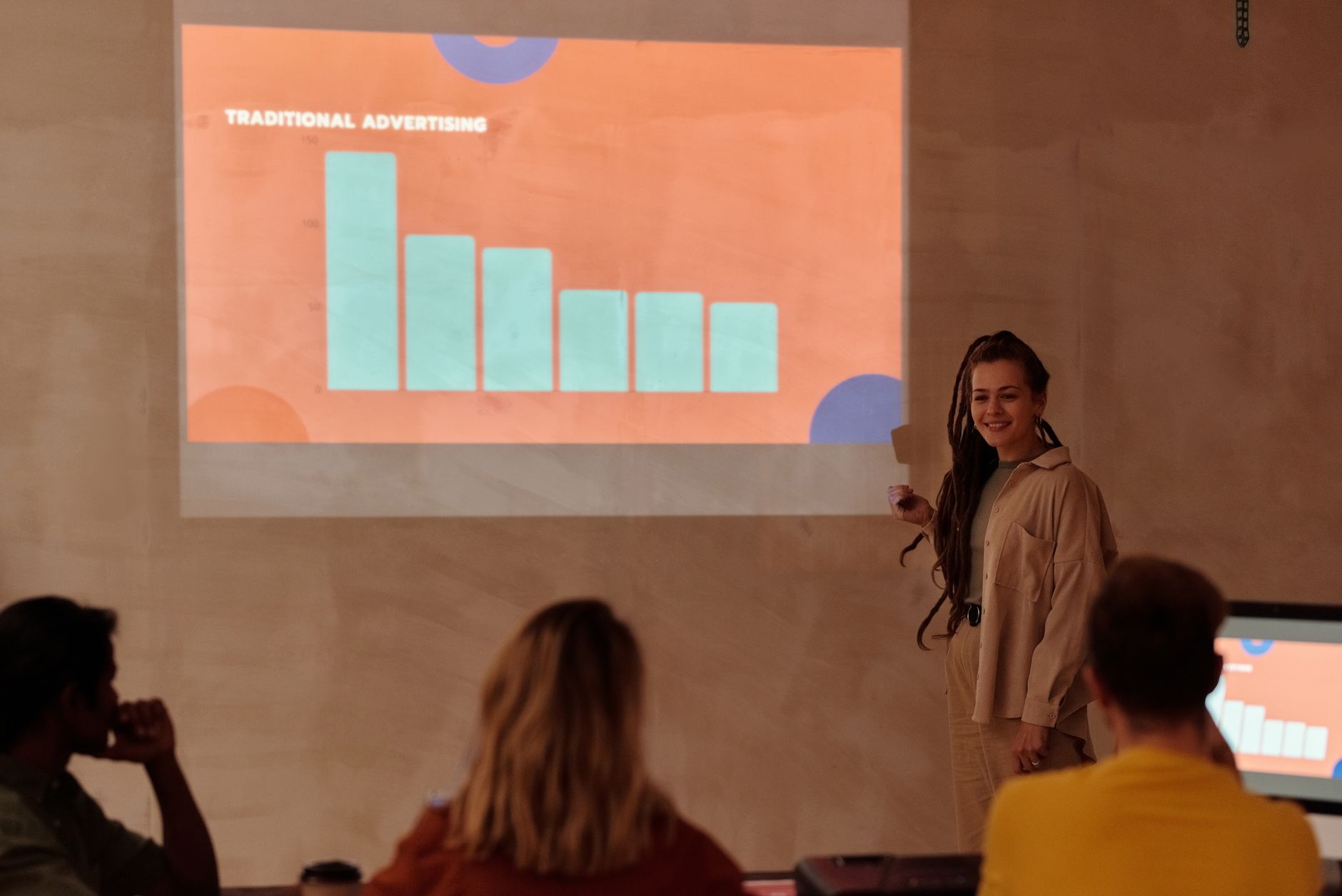
Every quarter, you review the PPC spend and cringe. The cost per click is up, conversion rate is flat, and your CFO is wondering if the ad machine is a profit center or a leaky pipe. You're not alone. In 2026, Google Ads costs have risen another 12% year-over-year in most B2B verticals, while organic search remains the most cost-effective channel for high-intent leads. This is the CFO playbook for escaping the PPC trap — without sacrificing pipeline.
The PPC Cost Crisis: Why CFOs Must Act Now
Google Ads is a rental model. You pay every time someone visits your site, and when you stop paying, the traffic stops. In contrast, organic SEO builds an asset. A well-optimized page can generate leads for years with zero marginal cost per click. But the gap is widening: average CPC in B2B services now exceeds $12, and for competitive terms like "personal injury lawyer" or "enterprise CRM implementation," CPCs can hit $50–$100. Meanwhile, organic click-through rates remain stable at 20–30% for top positions.
💡Key Takeaway
PPC gives you speed but not equity. Organic gives you equity at the cost of patience — but the total ROI over 12 months is typically 3–5x higher for B2B organizations.
Why Organic Lead Generation is the CFO's Best Bet
Organic lead generation means attracting visitors through search engine results without paying per click. It encompasses SEO, content marketing, and increasingly, programmatic SEO — the use of automation to create hundreds or thousands of targeted landing pages at scale. For B2B companies with long sales cycles and high ticket sizes, organic leads convert at a rate 50–100% higher than PPC leads because they arrive with higher intent.
The Math That Matters
Let's compare two strategies over 12 months for a typical B2B service firm spending $50,000/month on Google Ads:
| Metric | Google Ads | Organic (Programmatic SEO) |
|---|
| Monthly spend | $50,000 | $10,000 (content & automation) |
| Traffic per month | 25,000 visits | 5,000 (month 1–3), scaling to 25,000 (month 6–12) |
| Cost per lead (CPL) | $200 | $50 (after 6 months) |
| Lead quality | Mixed — many informational clicks | High-intent — searcher seeking solution |
| Long-term asset? | No | Yes — pages continue ranking |
| 12-month total cost | $600,000 | $120,000 |
| 12-month total leads | 3,000 | 3,000 (steady-state after ramp) |
💡Insight
The breakeven point for organic typically hits at month 4–6. After that, every lead is pure profit compared to PPC. For firms with annual PPC budgets exceeding $500,000, switching even 50% of budget to organic can save $250,000+ per year.
The Real CPL of PPC: Hidden Costs
Most CFOs only see the Google Ads invoice. But the true cost includes:
- Agency fees (10–20% of spend)
- Landing page optimization (frequent A/B tests)
- Click fraud — bots can eat 10–30% of clicks in some industries
- Opportunity cost — the team could be building equity in organic assets
The CFO Playbook: Step-by-Step to Transition
Step 1: Audit Your PPC Portfolio
Identify campaigns where cost per lead exceeds your target by 50% or more. These are the first candidates for budget reallocation. Use a scoring model: high-cost, low-intent terms go first. For example, a law firm spending $300 per click on "divorce lawyer" — keep it if it converts, but start building organic authority on that term immediately.
Step 2: Identify High-Intent Organic Keywords
Focus on keywords that indicate purchase intent: "hire X service," "X company near me," "best X for enterprise." These are the same terms you buy on PPC, but now you're going to own them organically. Use tools like Ahrefs or SEMrush to find long-tail variations with lower competition but high conversion potential.
Step 3: Build a Programmatic SEO Engine
This is where the playbook gets powerful. Instead of writing one landing page at a time, deploy a system that generates hundreds of targeted pages covering every service, location, and use case. For instance, a dental chain can create pages for "dentist in [neighborhood]" + "[service]" for all 500 locations. Each page is unique, optimized, and indexed. The cumulative effect is a topical authority that Google rewards.
💡Pro Tip
Start with pillars and satellites. A pillar page on "invisalign" links to 50 satellites for each city. This internal link structure passes authority and skyrockets rankings for all pages.
Step 4: Replace PPC with Organic on a Rolling Basis
Do not flip a switch. Redirect 10% of PPC budget to organic each month. Track CPL trends. As organic leads increase, scale down PPC on the corresponding keywords. Many companies find they can reduce PPC spend by 60–80% over six months without losing lead volume.
Step 5: Automate Lead Qualification for Efficiency
Organic traffic often arrives after hours. An AI-powered lead qualification system can engage visitors in real time, capture their details, and book meetings — even while your sales team sleeps. This eliminates the need for a human SDR team dedicated to inbound, further reducing cost per qualified lead.
Common Mistakes CFOs Make When Killing PPC
- Halting PPC cold turkey — Leads drop immediately. Always ramp organic before cutting PPC.
- Ignoring local SEO — For service businesses, local packs drive 30–40% of organic leads. Ensure Google Business Profile is optimized.
- Using generic content — AI-generated fluff hurts rankings. Every page must offer unique value, data, or local relevance.
- Forgetting conversion optimization — Organic traffic won't convert if your site is slow or UX is poor. Invest in speed and clear CTAs.
- Not tracking attribution — Use CRM integration to measure which organic pages generate pipeline, not just traffic.
Warning: If your industry has zero organic search volume (e.g., niche B2B with very specific jargon), PPC may still be necessary for discovery. But even then, programmatic SEO can target related terms to build awareness.
Frequently Asked Questions
What is the average cost per lead for organic SEO vs PPC in 2026?
Organic SEO typically delivers a CPL of $30–$80 for B2B services, compared to $150–$400 for PPC. However, organic requires a 3–6 month ramp-up period before costs stabilize. The long-term CPL advantage is significant: once pages rank, the marginal cost per incremental lead approaches zero.
How long does it take to replace PPC traffic with organic?
Depending on competition and domain authority, expect 4–8 months to see meaningful organic traffic. Companies with existing authority can do it faster. The key is to start building the organic library immediately and reduce PPC gradually as organic gains traction.
Can programmatic SEO really compete with PPC for high-volume keywords?
Yes, but not instantly. Programmatic SEO excels at long-tail terms that cumulatively match the volume of head terms. For example, a single head keyword might get 5,000 searches/month, but 200 long-tail variations can each get 200 searches/month, totaling 40,000 — and you can rank for all of them. Over time, you also build topical authority to rank for head terms.
What is the role of AI in organic lead generation for CFOs?
AI automates content creation, keyword research, and lead qualification. Platforms like BizAI can deploy 300+ pages in month one, each optimized for search and equipped with an AI SDR. This reduces the labor cost of traditional SEO by 80% and accelerates time-to-rank. For CFOs, this means faster payback periods and predictable costs.
Should I fire my PPC agency entirely?
Not necessarily. Many PPC agencies also offer SEO services. Transition them to an organic-first strategy. If they resist or lack programmatic SEO expertise, consider partnering with a specialist. The goal is to shift from rental traffic to owned assets — the agency should support that vision.
Recommended Readings
To deepen your understanding of these topics, we recommend reading the following articles:
Conclusion
Google Ads is not the enemy — it's a tool. But for CFOs managing multimillion-dollar marketing budgets, the math is clear: organic lead generation, especially when powered by programmatic SEO, delivers superior long-term ROI, lower CPL, and compounding growth. The playbook is straightforward: audit your PPC, build your organic engine, and transition budget gradually. The result is a marketing machine that fills your pipeline while you sleep — without the rising cost of clicks.
For a deeper dive on cost comparison, see Compare Cost Per Lead: Google Ads vs Organic SEO. And to learn how to target high-intent keywords at scale, check out High-Intent
Organic Keyword Scaling Strategies.
AI Search Accelerator: 1-on-1 Strategy Session
Claim one of the 10 monthly slots. Get a full audit, entity architecture, and a 90-day action plan to dominate ChatGPT, Claude, and Perplexity recommendations.