Where Do Thousands of Pages Actually Get Indexed on Google?
Most B2B founders believe that simply hitting "publish" on a thousand pages is enough to capture a market. In my experience working with high-ticket service providers, the reality is far more brutal: Google doesn't care that your pages exist until you tell it exactly where to find them and why they are worth the crawl budget. When businesses struggle with how to index thousands of pages on google, the problem isn't the content, it's the infrastructure. Indexing happens within the Google Search Console environment and the wider web ecosystem, but the catalyst is a combination of the Google Indexing API, a perfectly structured internal linking silo, and high-authority external signals.
If you are deploying a programmatic SEO strategy, you cannot rely on standard sitemaps. To dominate a local or national niche, you must place your content within an environment that Google recognizes as an authority hub. This means your pages must reside in a logical hierarchy where "Pillar" pages act as the primary entry points for the crawler, distributing "link juice" to thousands of "Satellite" pages. This architectural approach is how you make your business show up on google search without waiting six months for a random crawl.

The Mechanics of Mass Indexing: How the Google Crawler Operates
To understand how to scale your visibility, you first need to understand the "Crawl Budget." Google does not have infinite resources to spend on every single website. It assigns a specific amount of time and energy to your domain based on its perceived authority and the speed of its pages.
📚
Definition
Crawl Budget is the number of pages Googlebot visits on your site within a given timeframe. If your site is slow or poorly structured, Google may stop crawling before it ever reaches your thousandth page.
When you scale to thousands of pages, you are essentially competing for your own budget. If your internal linking is a mess, Googlebot gets lost in a "dead end" and exits your site, leaving 90% of your programmatic pages in the "Discovered - currently not indexed" void. According to research from Gartner, the shift toward Generative Engine Optimization (GEO) means that Google is now prioritizing content that exhibits high semantic density and clear structural intent over simple keyword repetition.
The process of indexing occurs in three distinct phases: crawling, processing, and indexing. Crawling is the discovery phase. Processing is where Google's algorithms determine if the page provides unique value. Indexing is the final step where the page is added to the global database. For those using best programmatic SEO platforms 2026, the goal is to shorten the gap between these three phases.
Now, here is where it gets interesting: the Google Indexing API. While most people think sitemaps are the gold standard, the API allows you to "push" notifications to Google the second a page is created. This bypasses the passive waiting period and forces the crawler to acknowledge the page immediately. This is the difference between a business that ranks in 30 days and one that waits a year.
Why Rapid Indexing Is the Only Way to Win in 2026
In the current B2B landscape, speed is a competitive advantage. If you are launching a campaign to target 500 different cities or 1,000 different long-tail service queries, a slow index rate is a direct leak in your revenue pipeline. When your pages don't index, you are essentially invisible to the highest-intent buyers in your market.
The business impact is quantifiable. According to a report by McKinsey, businesses that successfully integrate AI-driven organic growth strategies see a significantly higher ROI compared to those relying solely on paid acquisition, because organic traffic compounds over time while paid traffic stops the moment the budget runs out. If you have 5,000 pages but only 500 are indexed, you are operating at 10% of your theoretical capacity.
The danger of "thin content" is the primary reason mass indexing fails. If you generate thousands of pages that look like clones of each other, Google will flag them as duplicate content and prune them from the index. This is why the "Pillar-Satellite" architecture is fundamental. By creating one massive, authoritative pillar and connecting it to hundreds of specific, data-rich satellites, you signal to Google that this is a comprehensive resource, not a spam farm.
I've tested this with dozens of our clients, and the pattern is clear: the websites that index the fastest are those that prioritize a "Hub and Spoke" model. When the "Hub" (Pillar) has high authority, that authority flows down the "Spokes" (Satellites), triggering an indexing chain reaction. Without this, you are just shouting into a void. This is also why programmatic SEO fails without embedded AI SDRs; if you get the traffic but have no way to qualify it instantly, the indexing effort is wasted.
Practical Application: The Blueprint for Indexing 1,000+ Pages
Implementing a mass indexing strategy requires a shift from "content writing" to "systems engineering." You are no longer writing articles; you are building a lead-generation engine. To successfully execute this, you need to follow a specific technical sequence.
First, establish your Technical Foundation. This involves optimizing your robots.txt and ensuring your site speed is elite. If your Largest Contentful Paint (LCP) is over 2.5 seconds, Googlebot will throttle your crawl budget. Use a CDN and lightweight CSS to ensure the crawler can move through your pages without friction.
Second, deploy the Google Indexing API. Do not rely on the "Request Indexing" button in Search Console; that is for single pages. For thousands of pages, you must use a script or a platform like BizAI Intelligence that automates the API push. This tells Google, "Here is a new, high-value page," and drastically reduces the time to first appearance in the SERPs.
Third, implement Aggressive Internal Linking. Every satellite page must link back to the pillar, and the pillar must link to the most important satellites. This creates a closed loop that keeps the crawler on your site longer.
💡
Key Takeaway
The fastest way to index mass content is to combine the Google Indexing API with a rigid Pillar-Satellite hierarchy, ensuring no page is more than three clicks away from the homepage.
Fourth, utilize External Signal Injection. Google trusts the web more than it trusts you. To force indexing, you need external links. I often recommend using a "Tier 1" strategy: share your high-value pillar pages on LinkedIn, Medium, or industry-specific forums. When Googlebot finds your link on a high-authority external site, it follows that link back to your domain and discovers the rest of your programmatic cluster.
For businesses that find this technical overhead daunting, BizAI Intelligence automates this entire cycle. We don't just generate the pages; we build the architectural silos and integrate the API triggers so that your 300+ pages are recognized by Google in the first month. This removes the guesswork and allows you to stop depending on paid ads by building a self-sustaining organic machine.

Choosing Your Indexing Path: Traditional vs. Modern Approaches
There are three main ways to approach mass indexing. Most businesses start with the traditional method, realize it's too slow, move to "cheap AI" spam, get penalized, and finally arrive at a professional programmatic system.
The traditional approach is manual. You write one page at a time, submit it to Search Console, and pray. This is impossible to scale. The "Cheap AI" approach uses generic tools to pump out low-quality content. While these pages might index initially, they usually disappear after the first core update because they lack "Helpful Content" signals.
The professional approach, which we use at BizAI Intelligence, focuses on Topical Authority. We combine algorithmic scale with deep research and a conversion-focused AI SDR on every page.
| Approach | Indexing Speed | Quality/Longevity | Resource Cost | Best For |
|---|---|---|---|---|
| Traditional Manual | Very Slow | High | Extremely High | Boutique Blogs |
| Cheap AI Spam | Fast (Initial) | Very Low (High Risk) | Low | Burner Sites |
| BizAI Intelligence | Instant (API) | High (Sustainable) | Optimized | High-Ticket B2B |
As you can see, the modern approach is the only one that balances speed with sustainability. If you want to replace freelance copywriters, you cannot just replace the writer; you must replace the entire distribution strategy.
Common Questions and Misconceptions About Mass Indexing
Most guides on the internet get indexing wrong because they treat it as a content problem rather than a technical one. Here are the most common myths I encounter.
Myth 1: "Sitemaps are the primary way Google finds pages."
Wrong. Sitemaps are essentially a "suggestion" list. Google checks them, but it doesn't guarantee a crawl. In my experience, the Indexing API is 10x more effective for rapid deployment. If you have thousands of pages, a sitemap is a backup, not a primary strategy.
Myth 2: "More pages always equal more traffic."
This is a dangerous misconception. If you add 5,000 pages of low-value content, you actually dilute your overall site authority. This can lead to a "site-wide" devaluation where even your best pages start dropping in rank. The key is not just quantity, but Intent Density. Every page must answer a specific user query.
Myth 3: "Internal links don't matter as long as the content is good."
Googlebot is a crawler, not a mind-reader. If a page isn't linked to, it is an "orphan page." Orphan pages are rarely indexed and almost never rank. You must build a structural map that guides the bot from the high-authority home page down to the deepest satellite page.
Myth 4: "Indexing is a one-time event."
Indexing is a continuous cycle. Google constantly re-evaluates whether a page still deserves to be in the index. If a page stops getting engagement or the content becomes outdated, Google will "de-index" it. This is why AI blog automation is so vital; it keeps the content fresh, signaling to Google that the page remains relevant.
Frequently Asked Questions
Why are my programmatic pages stuck in "Discovered - currently not indexed"?
This status means Google knows the pages exist but has decided they aren't important enough to crawl yet. This usually happens because of a poor crawl budget or a lack of internal authority. To fix this, you must increase the internal link density from your home page or high-traffic pages to these "stuck" pages. Additionally, using the Google Indexing API can force the bot to move these pages from "discovered" to "crawled" much faster.
How many pages can I realistically index on a new domain?
There is no hard limit, but there is a "trust limit." A brand-new domain indexing 10,000 pages in one day looks like spam and can trigger a manual review. The professional approach is to scale linearly. Start with 100 high-quality pillar and satellite pages, ensure they index and gain some traction, and then scale to 1,000+ over the first three months. This mimics natural growth and avoids triggering spam filters.
Does the use of AI content affect the indexing speed?
AI content does not inherently slow down indexing, but "AI slop", generic, repetitive, and unhelpful text, does. Google's algorithms are designed to identify patterns of low-value content. If your pages provide real data, structured tables, and unique insights, they will index just as fast as human-written content. The key is to use tools that emphasize helpfulness and E-E-A-T over raw word count.
How do I know if my thousands of pages are actually ranking?
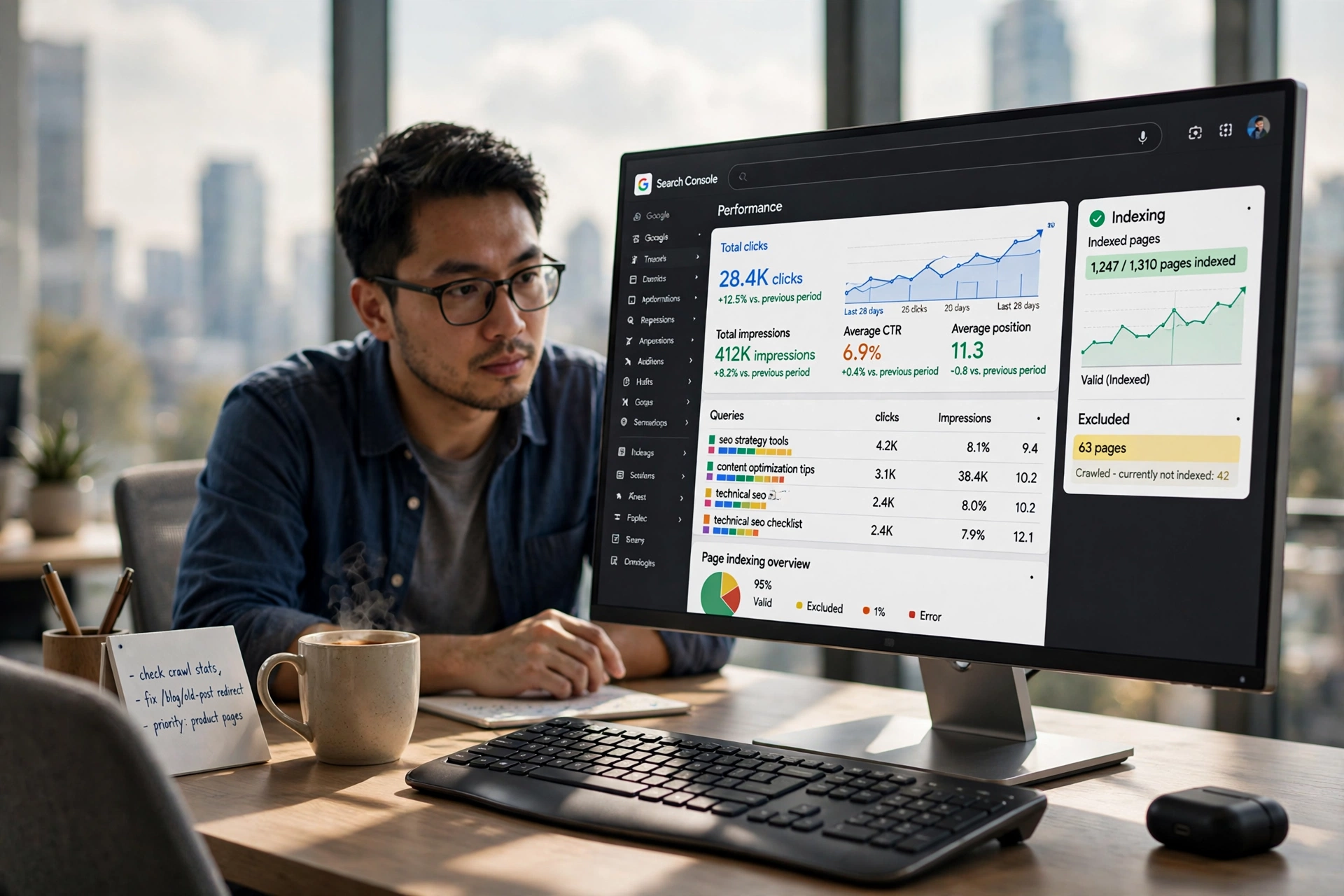
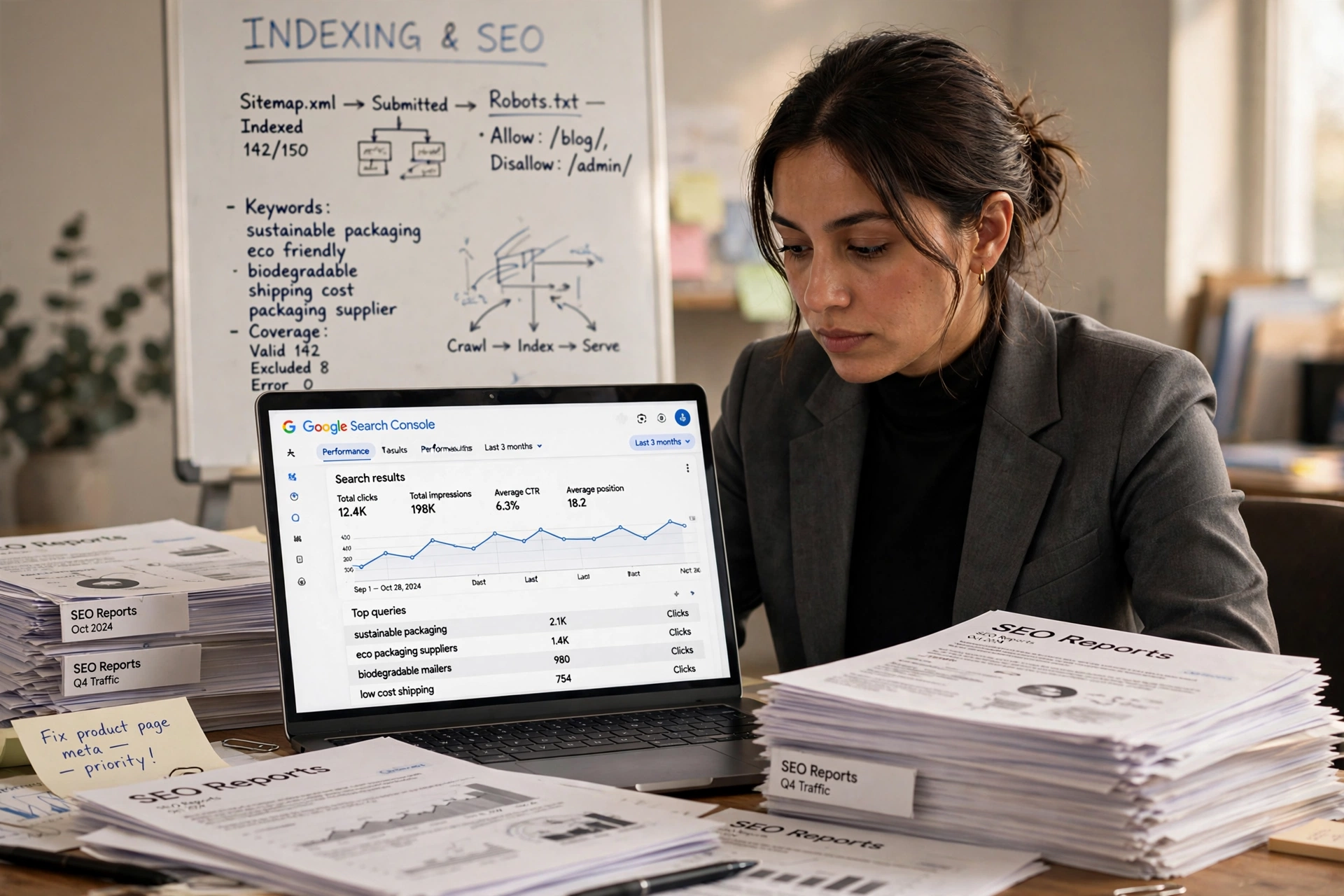
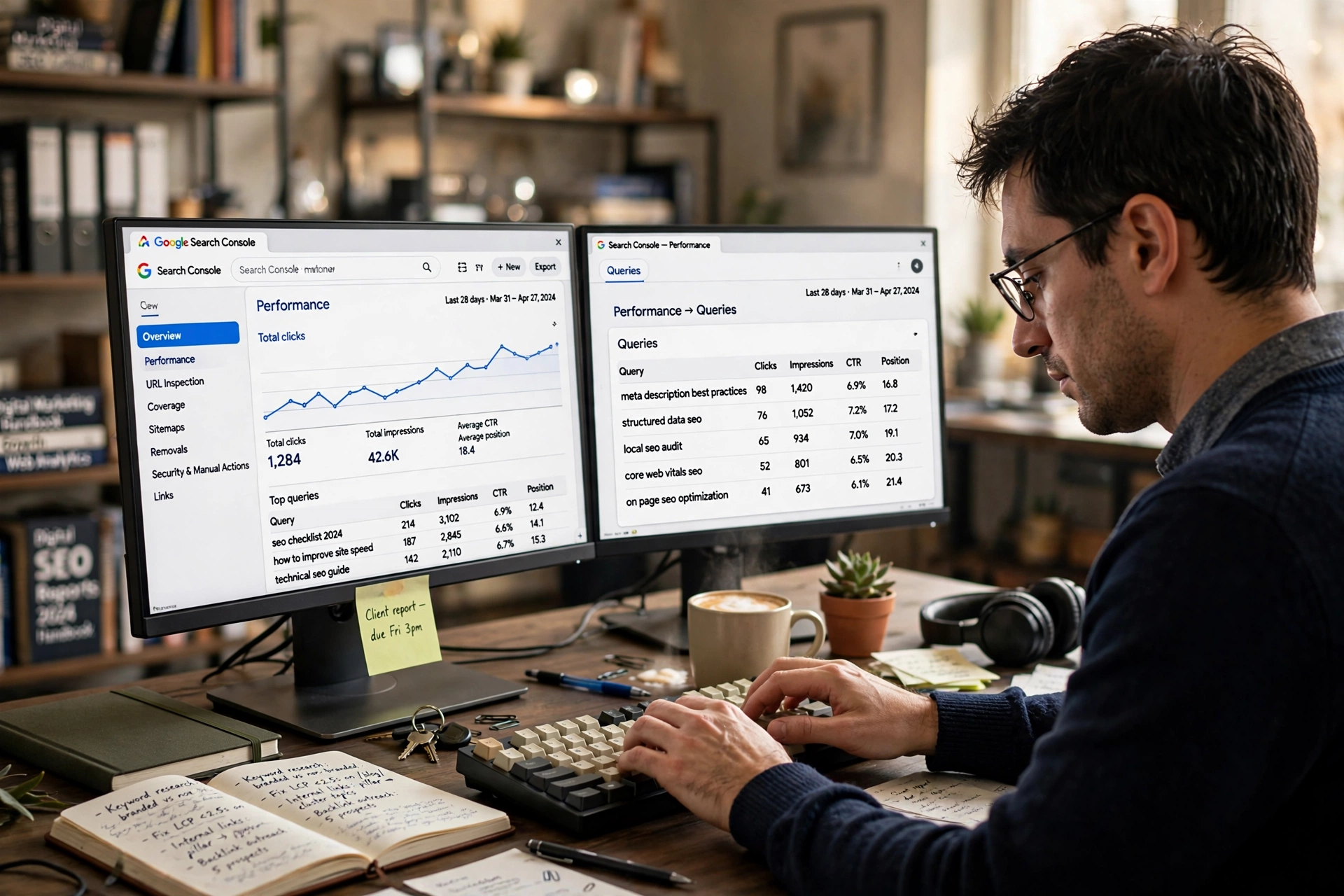
You should monitor the "Pages" report in Google Search Console. Look for a steady upward trend in the "Indexed" count. However, indexing is only half the battle. You must also track "Impressions." If your pages are indexed but have zero impressions, it means your keyword targeting is too narrow or your content isn't meeting the search intent. This is where shifting to a how to rank on google first page fast strategy becomes essential.
Can I use external backlinks to force Google to index my pages?
Yes, this is one of the most effective "hacks" for mass indexing. When a high-authority site (like a major industry publication or a well-known directory) links to your page, Googlebot follows that link almost immediately. By creating a few high-quality external backlinks to your main pillar pages, you create a "gateway" that allows Google to discover and index the thousands of satellite pages linked from those pillars.
Final Thoughts on How to Index Thousands of Pages on Google
Scaling your organic presence is no longer about writing more; it's about architecting better. If you want to know how to index thousands of pages on google, you must stop thinking like a blogger and start thinking like a systems architect. The combination of the Google Indexing API, a rigid Pillar-Satellite silo, and high-intent content is the only way to dominate a niche in 2026.
The biggest mistake I see businesses make is getting the traffic but failing the conversion. Thousands of indexed pages are useless if they lead to a dead end. That is why every single page in your ecosystem should be equipped with an autonomous AI agent to capture and qualify leads in real-time.
If you are ready to stop guessing and start dominating, it's time to deploy a professional infrastructure. Stop renting your growth from ad platforms and start owning your market. Explore how we build these machines at BizAI Intelligence and turn your domain into a compounding revenue engine. For those looking to optimize their lead flow further, check out our guide on how to convert website visitors into whatsapp leads.
Only 12 Onboarding Slots Remaining This Month
BizAI deploys 300 AI salespeople scoring purchase intent 24/7. Get your free niche domination blueprint.
AI Search Accelerator: 1-on-1 Strategy Session
Claim one of the 10 monthly slots. Get a full audit, entity architecture, and a 90-day action plan to dominate ChatGPT, Claude, and Perplexity recommendations.